

Overview
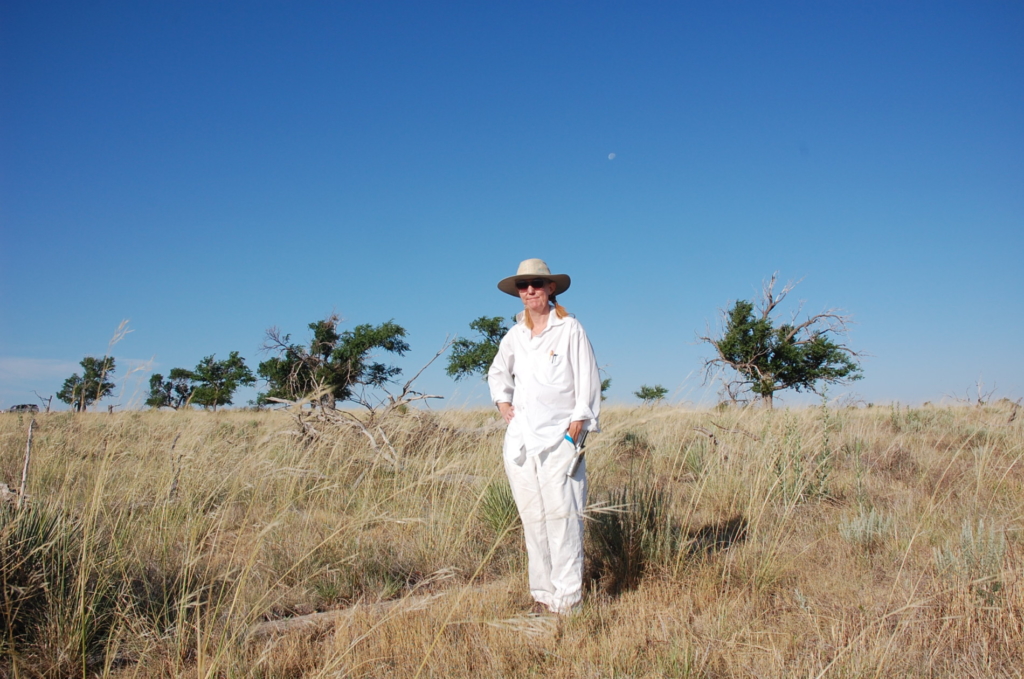
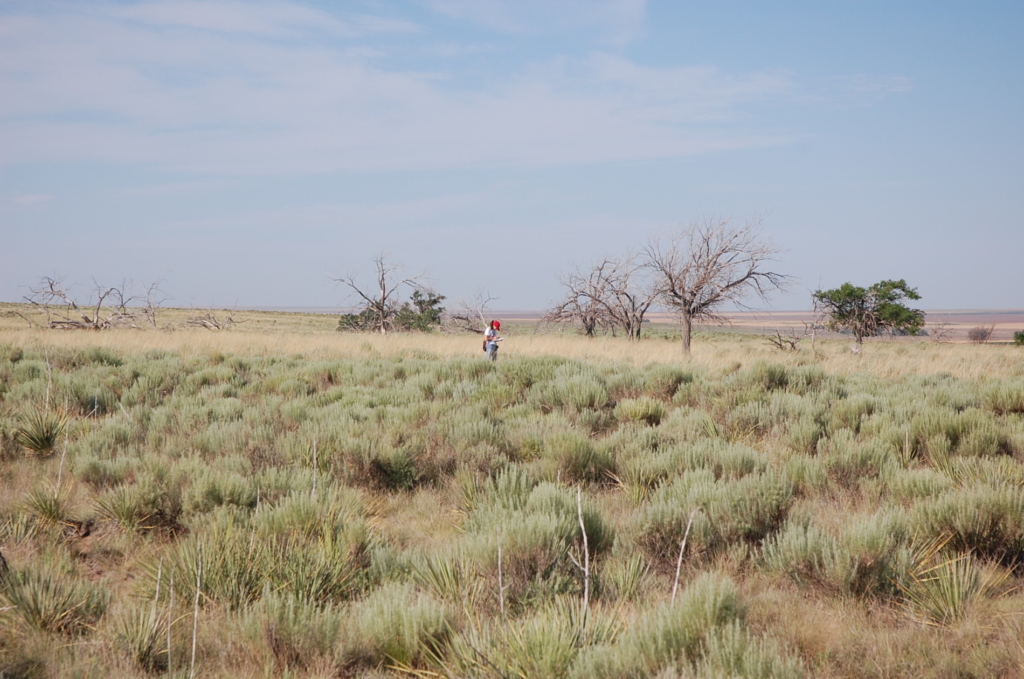
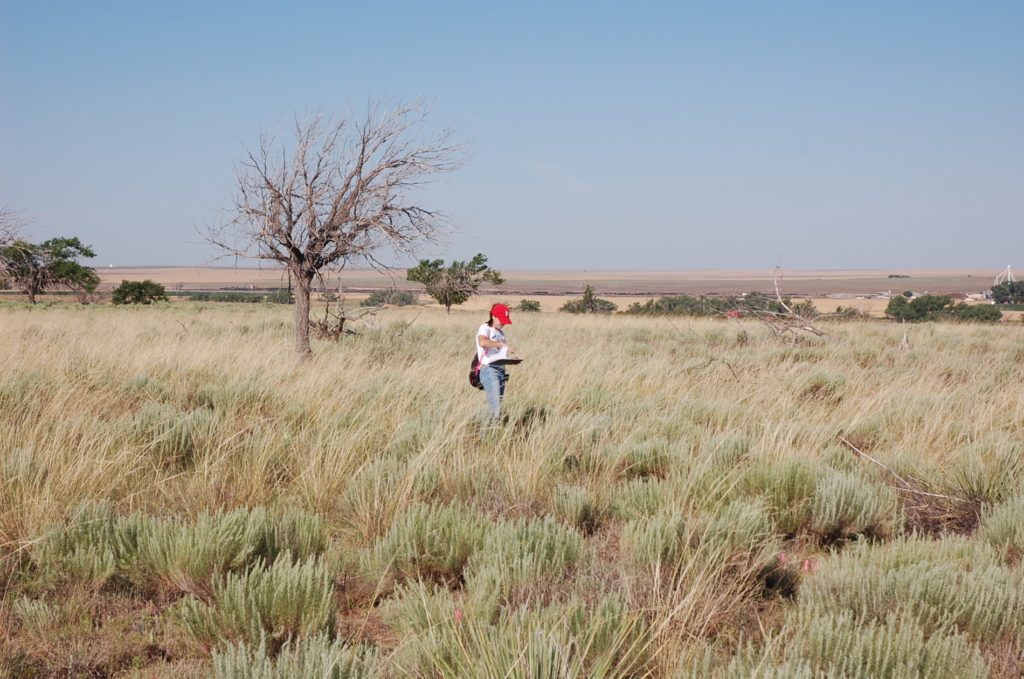
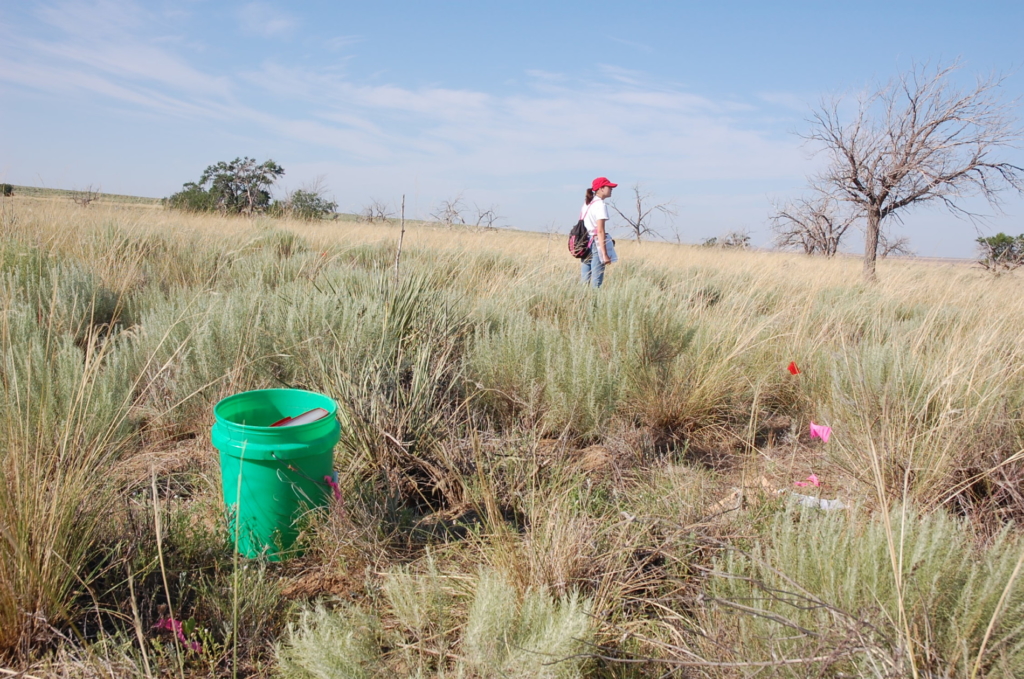
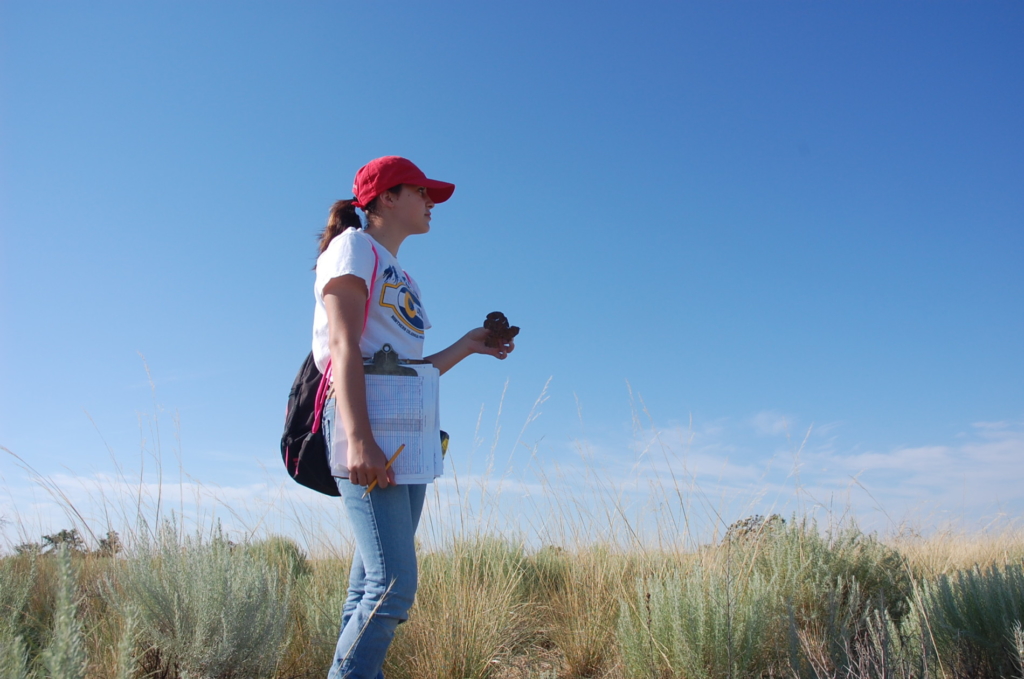
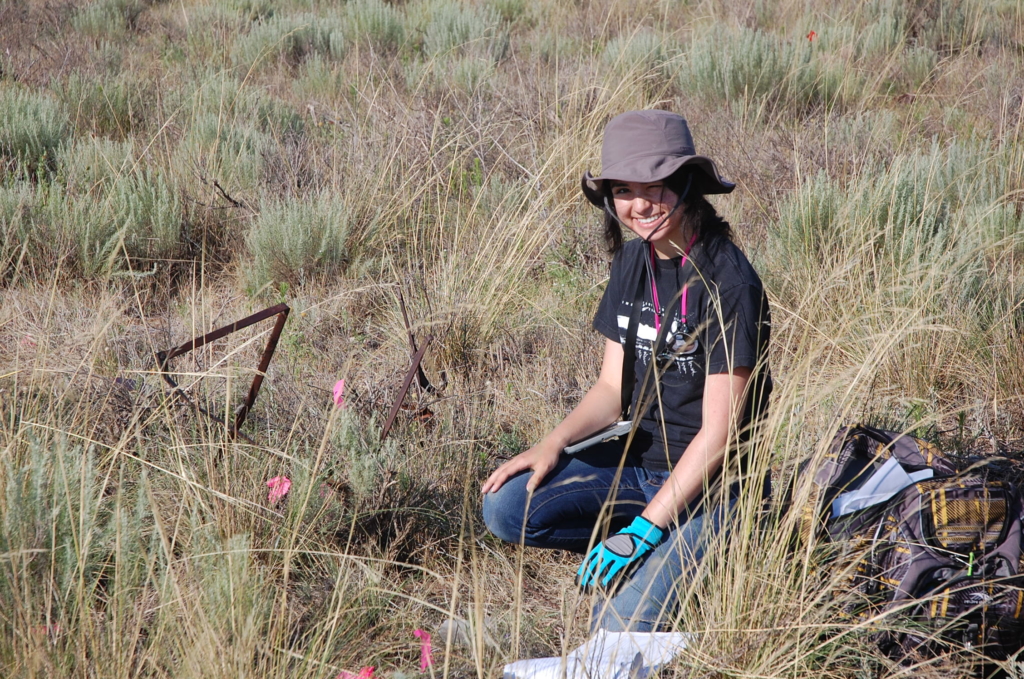
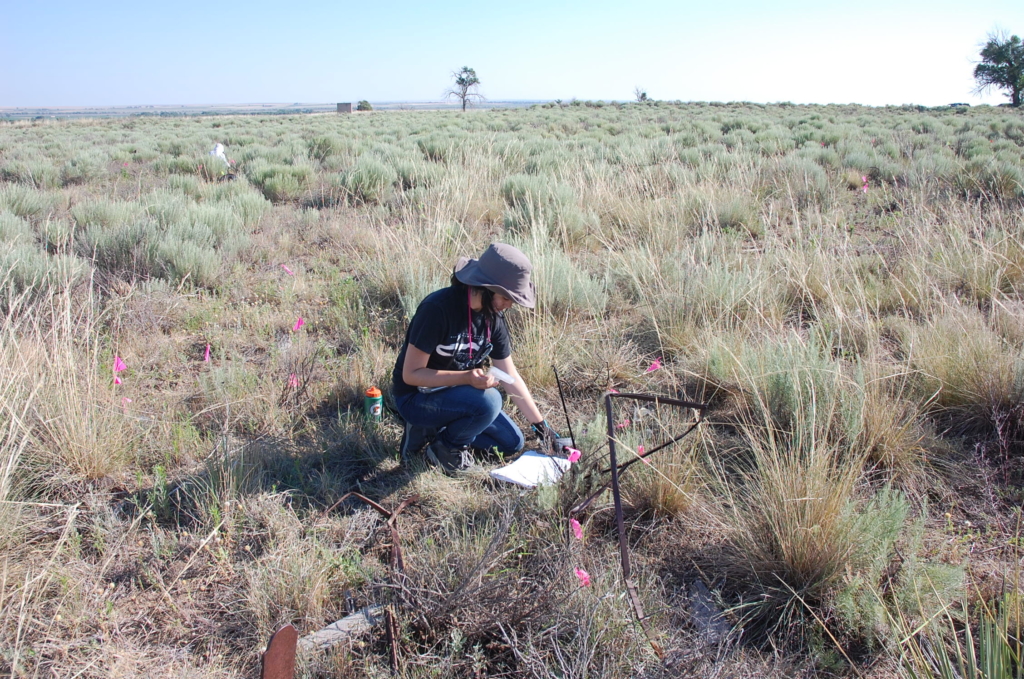
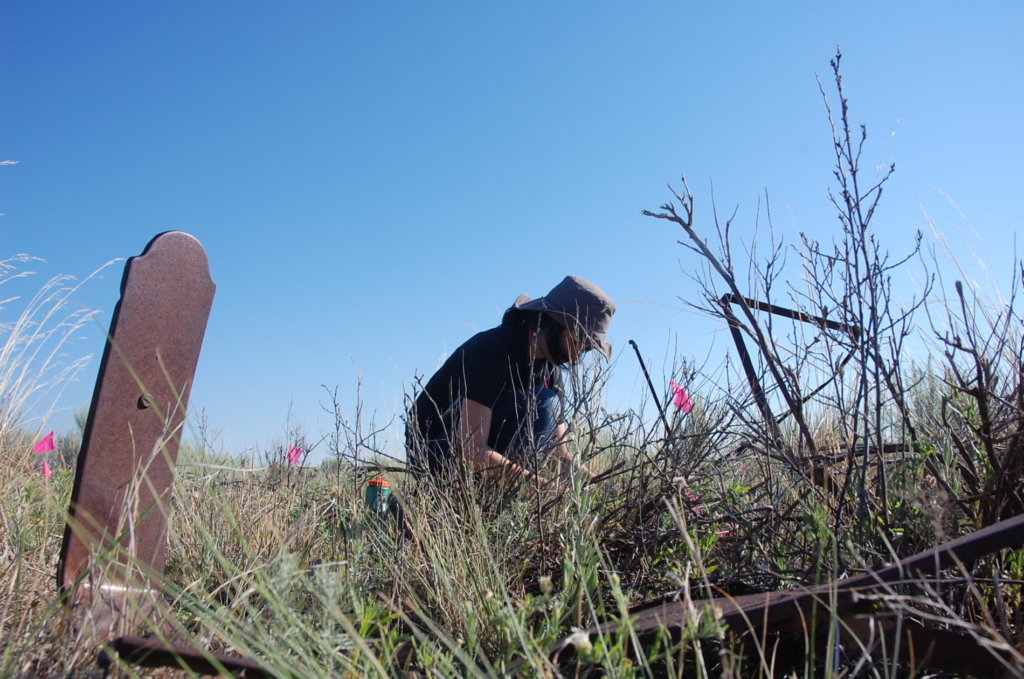
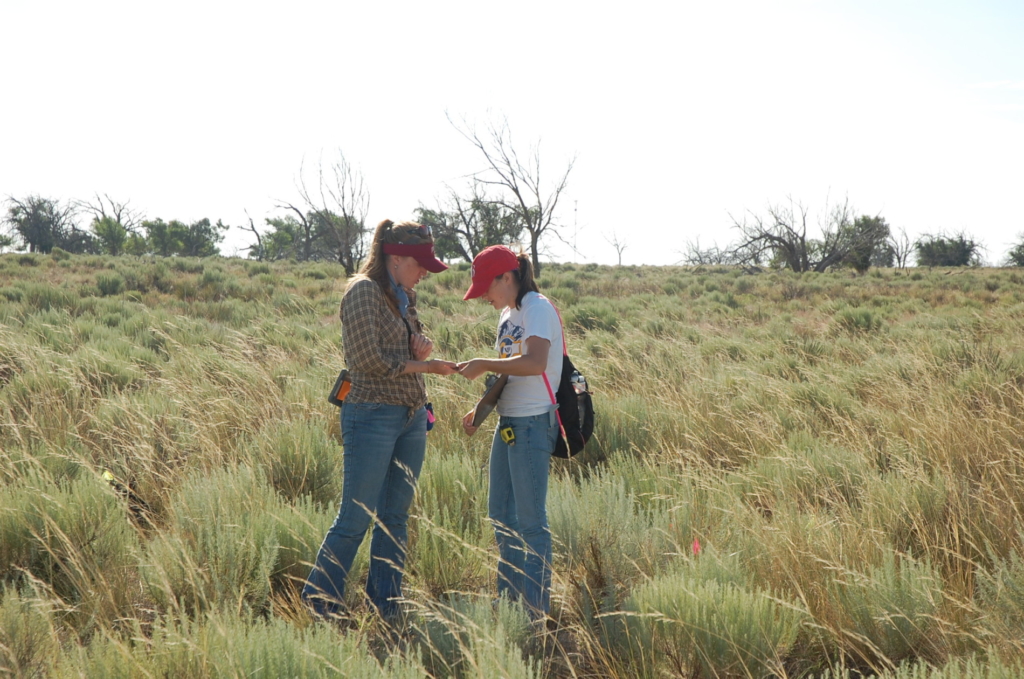
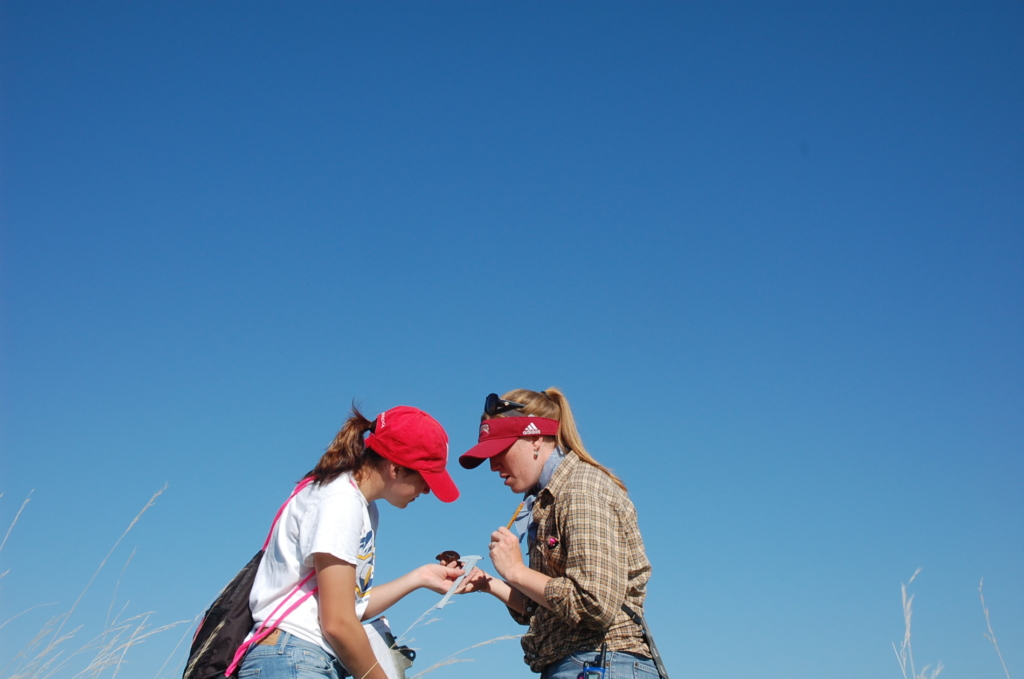
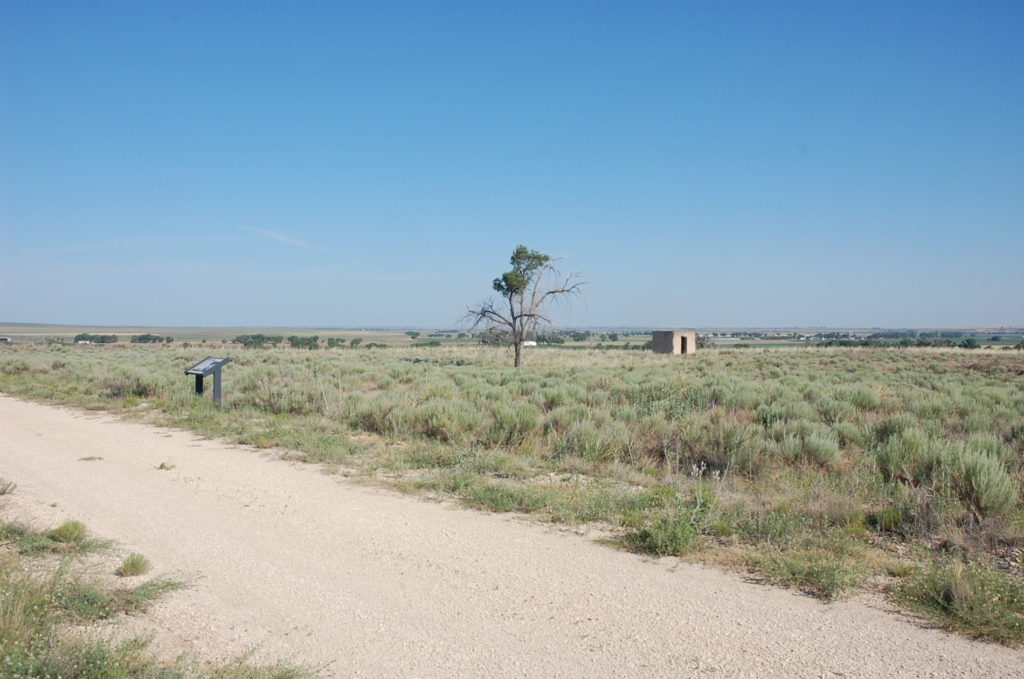
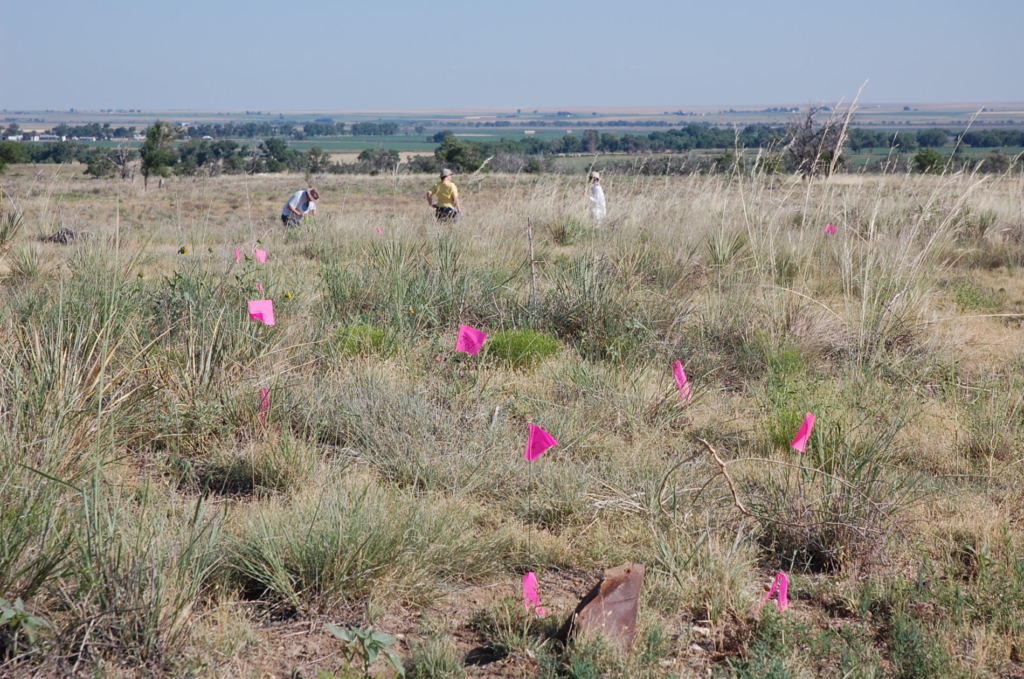
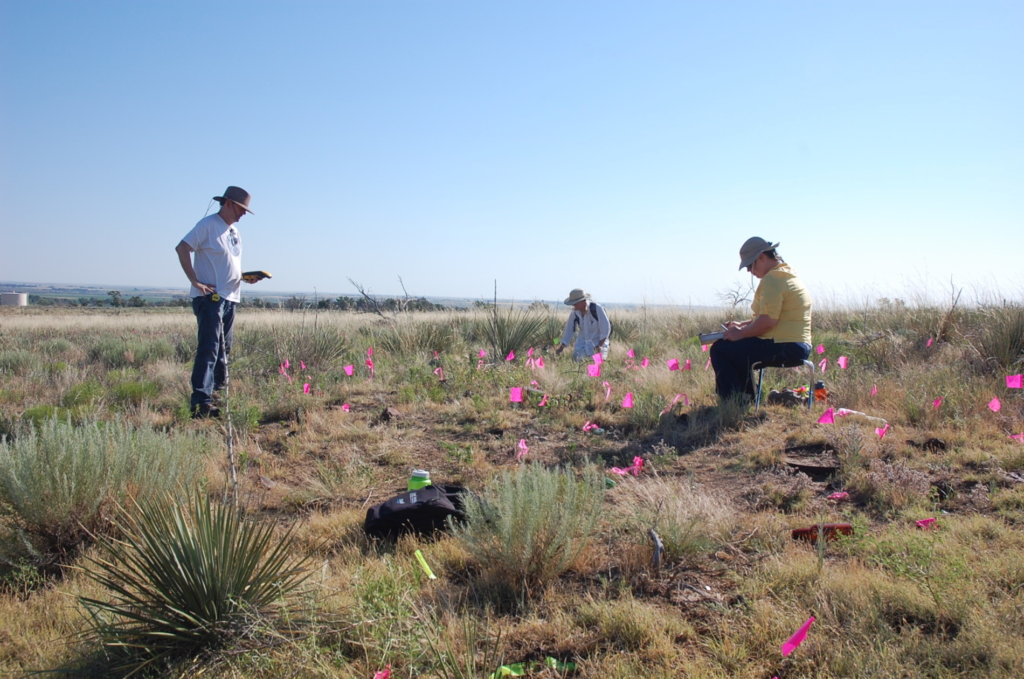
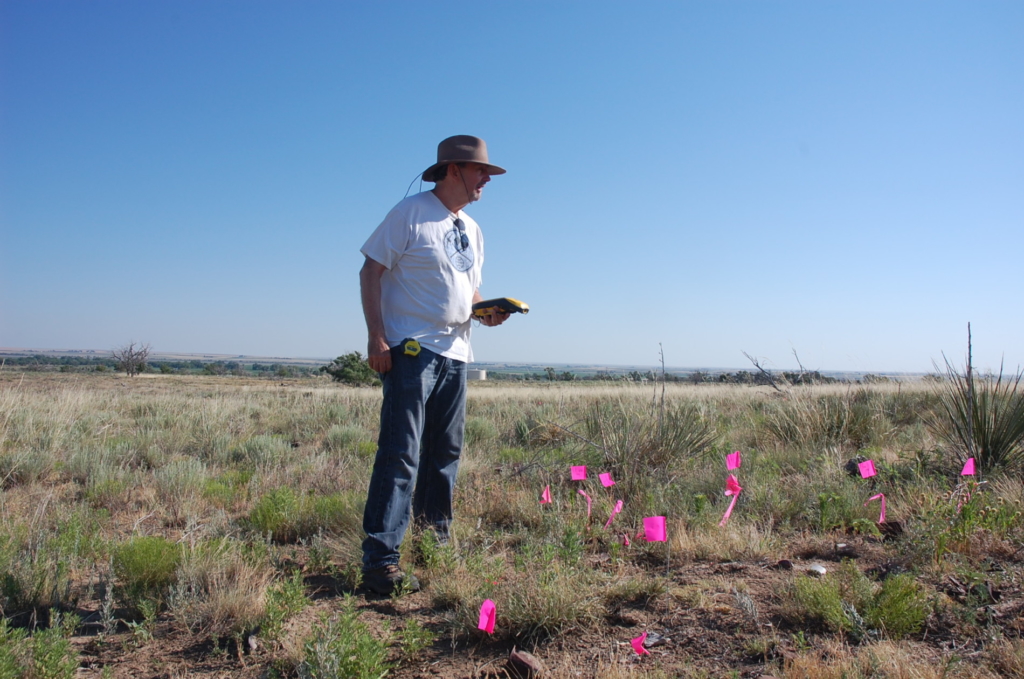
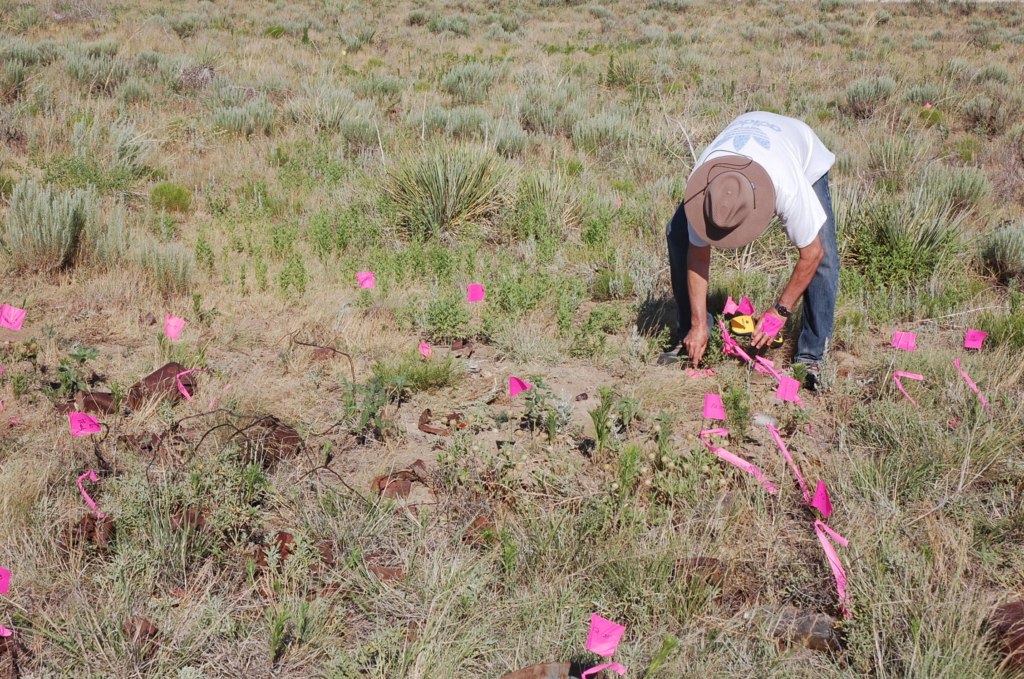
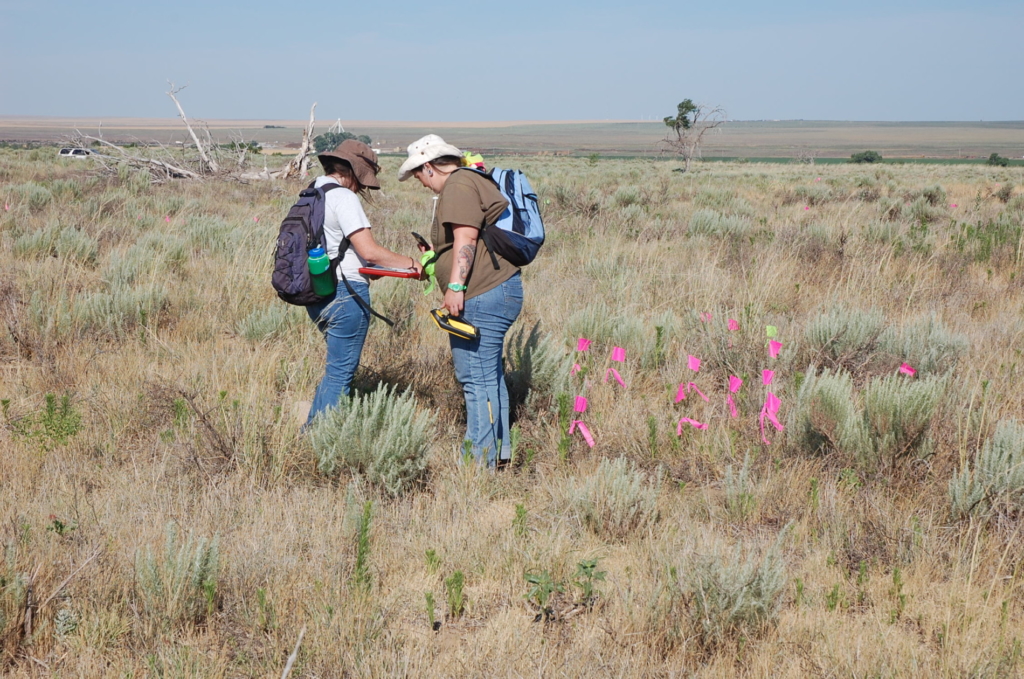
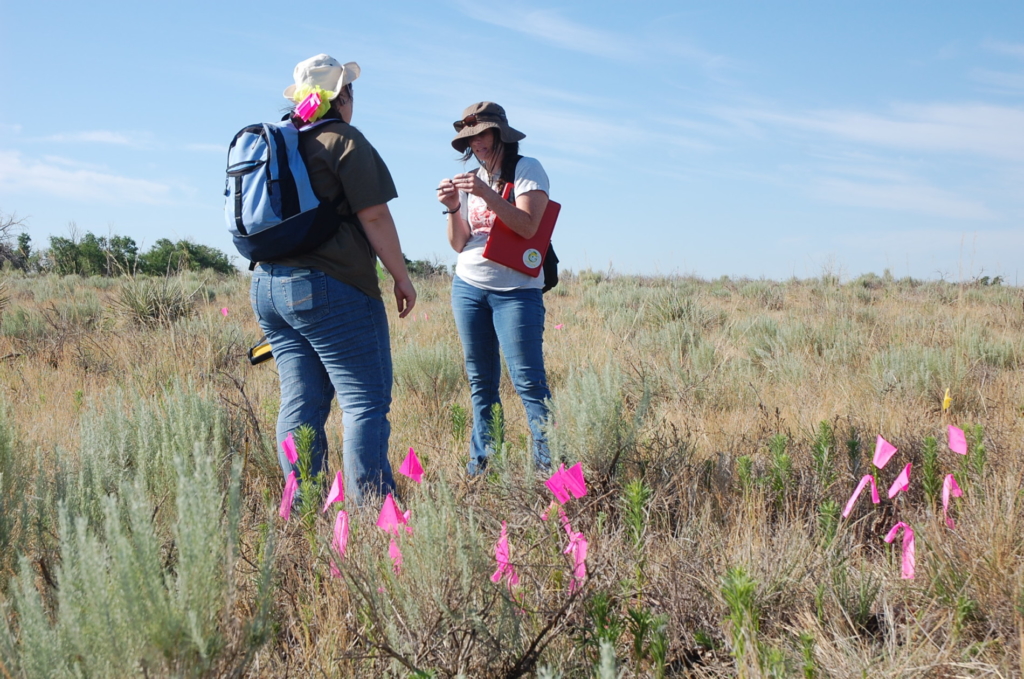
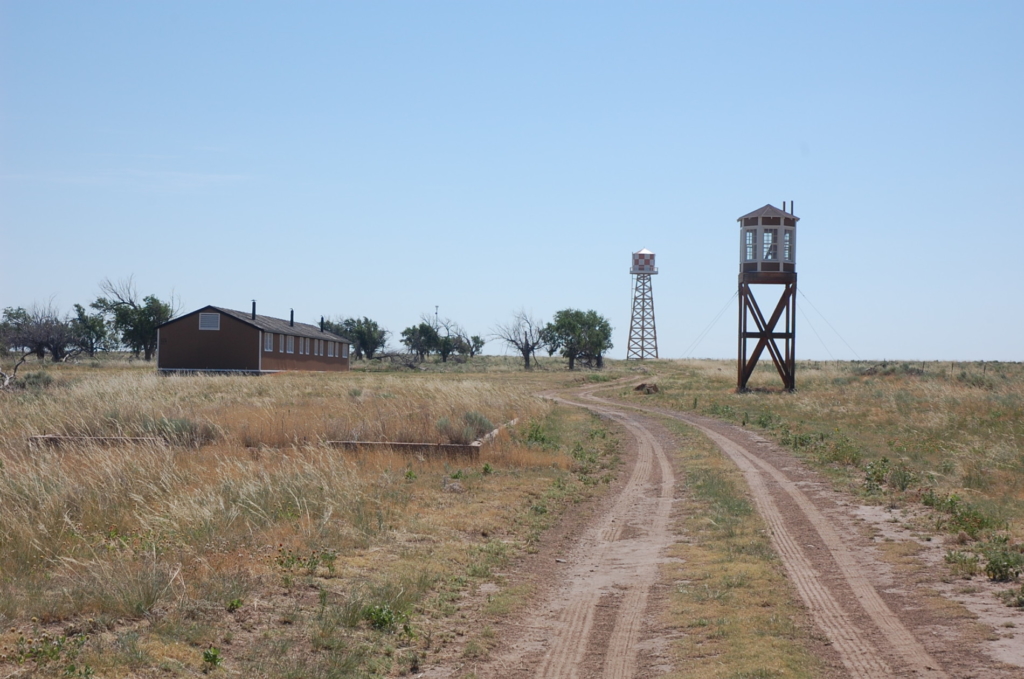
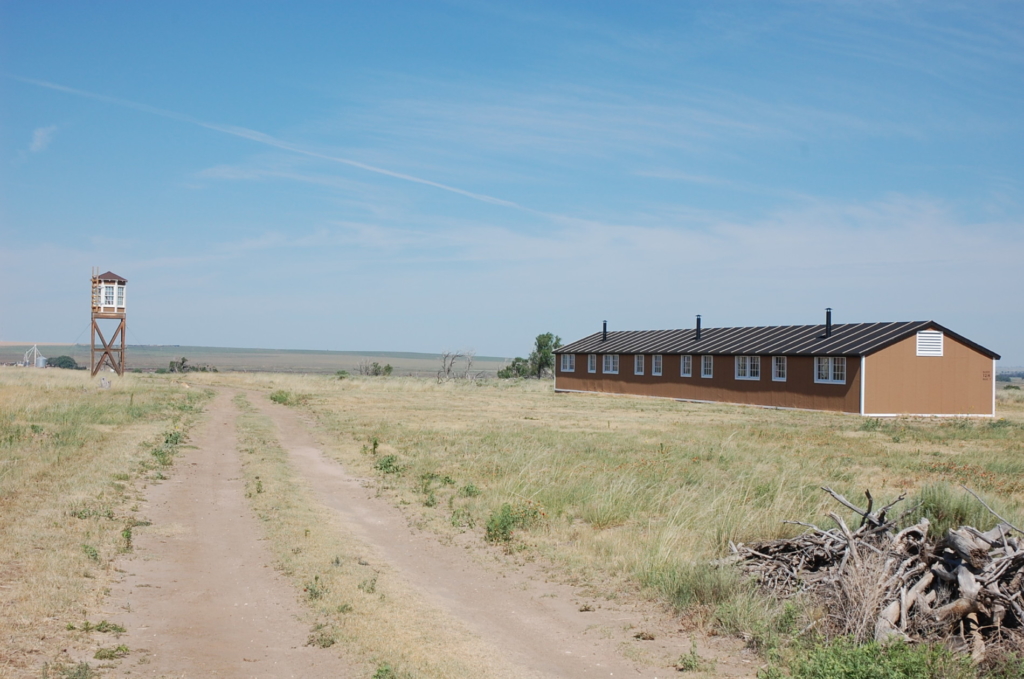
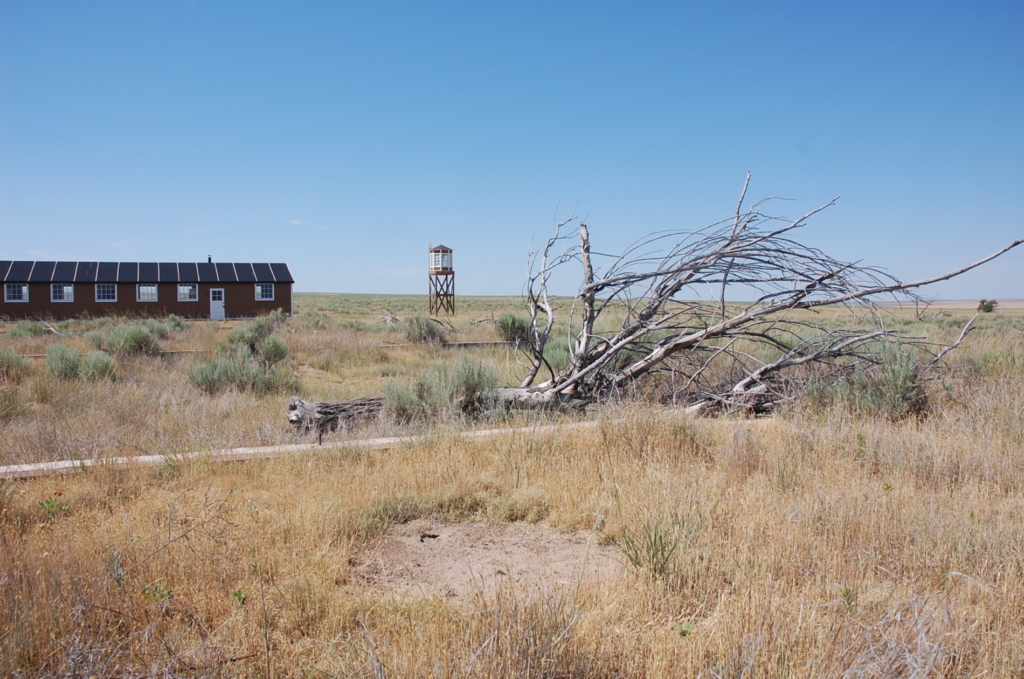
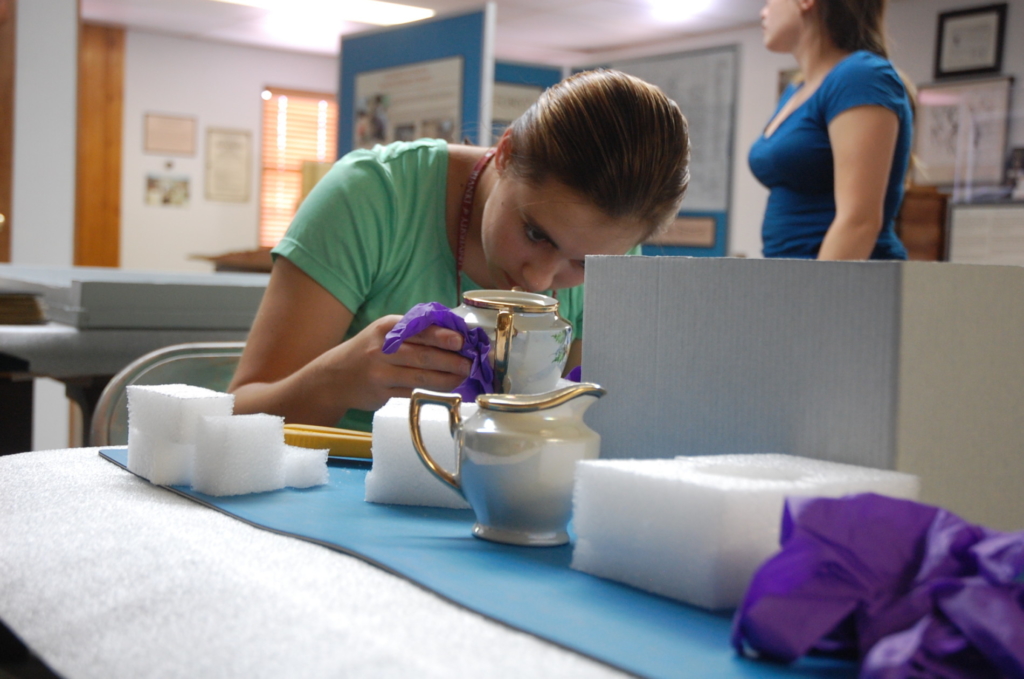
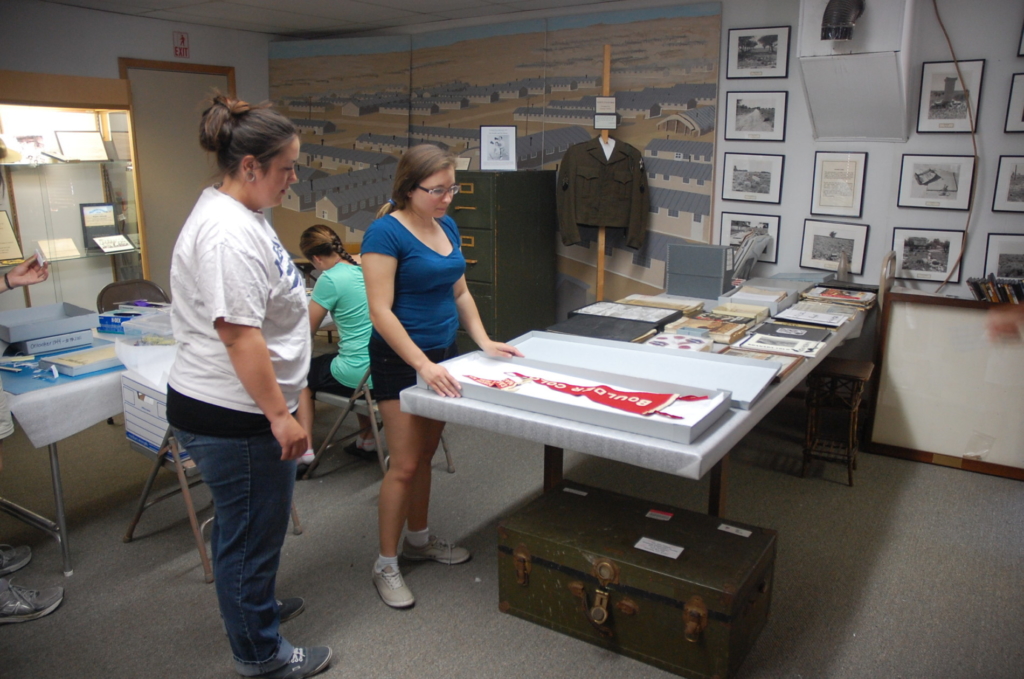
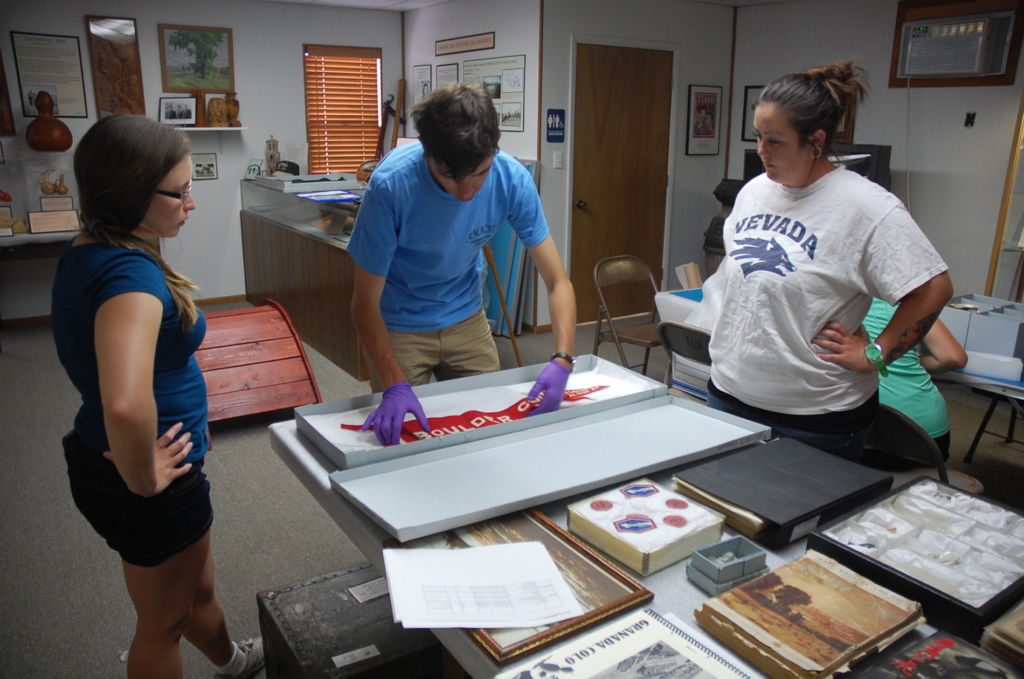
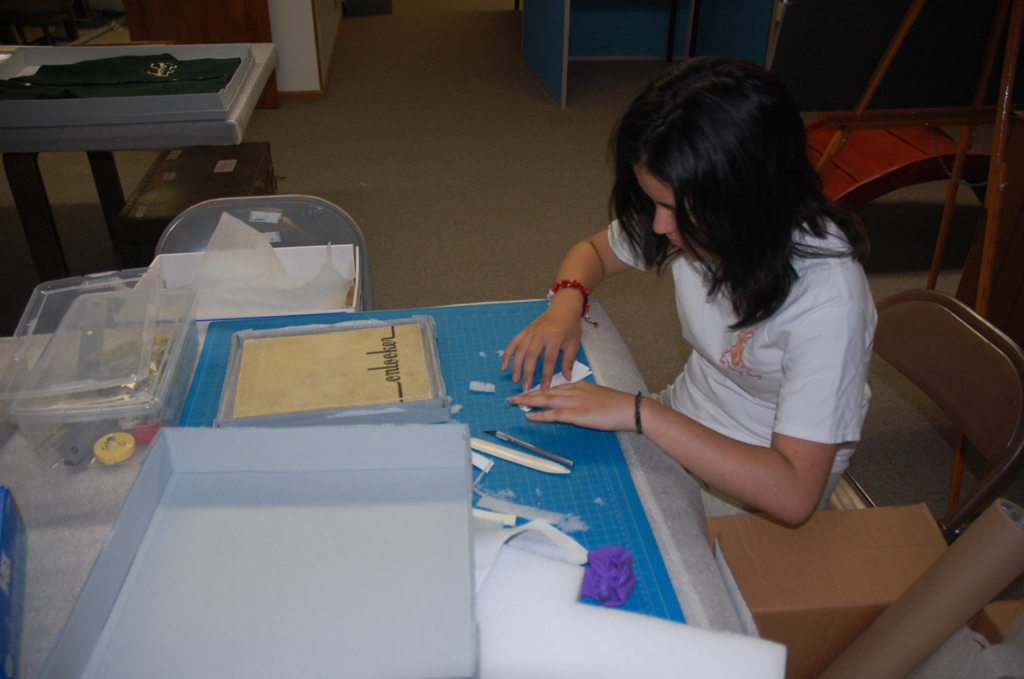
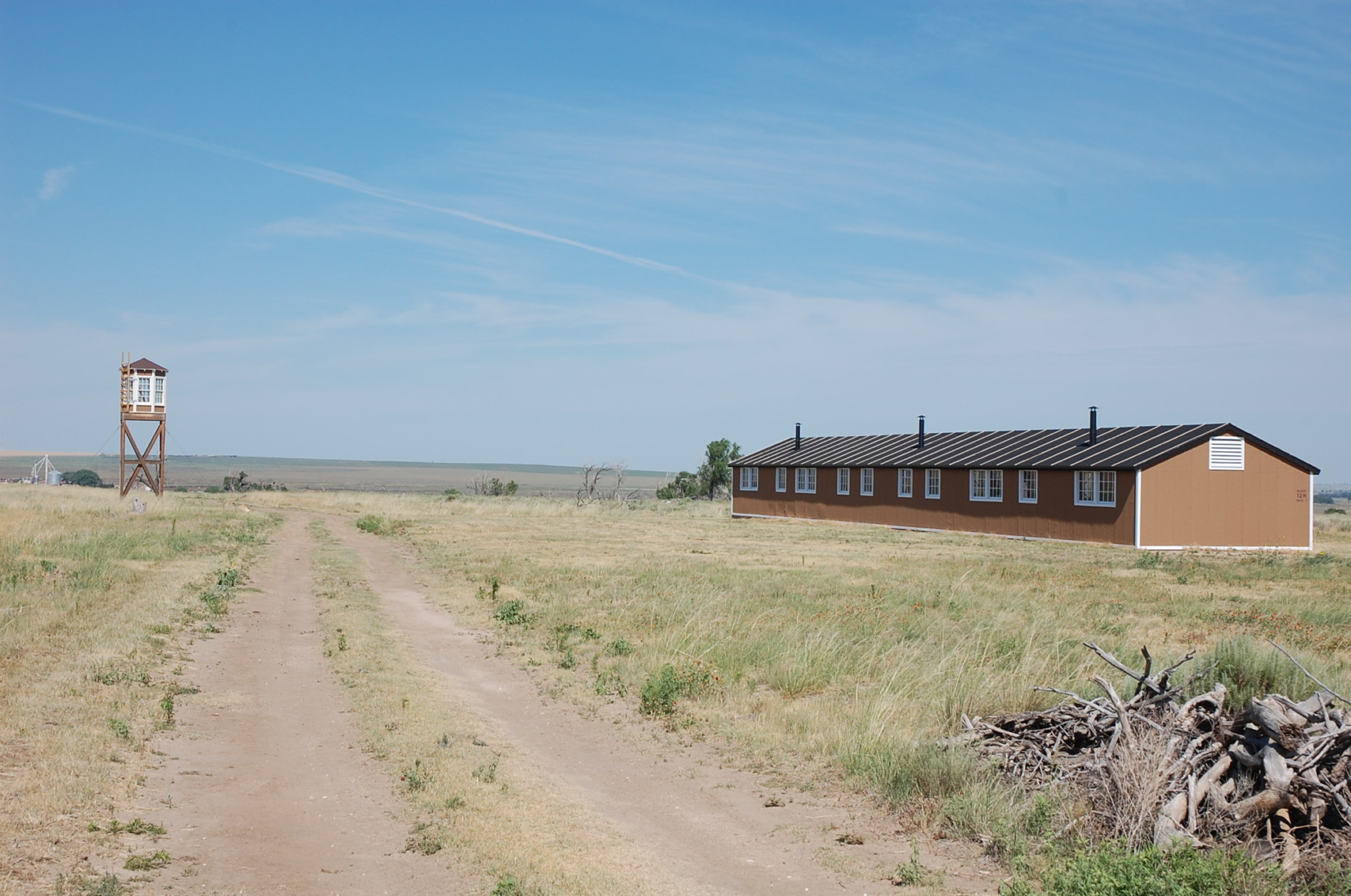
Explore the history and heritage of Amache, a World War II-era Japanese American confinement camp recently designated as a U.S. National Historic Site. This unique field school combines archaeology, museum studies, and community engagement, giving you the chance to investigate daily life at Amache while contributing to its preservation. During this four-week program, you’ll survey the site, carry out targeted excavations of gardens and landscape features built by incarcerees, and work directly with artifacts and archives in the Amache Museum. Just as important, you’ll collaborate closely with survivors and descendents of the Amache camp, learning how to navigate sensitive issues around a difficult heritage while building skills that translate to careers in archaeology, museums, and heritage management.
Field school highlights:
- Gain practical training in survey, excavation, collections management, artifact analysis and more.
- Make an impact by helping to preserve and document the Amache site.
- Work closely with community members who have personal or family ties to Amache, gaining valuable experience in community-based research.
| Course Details | |
|---|---|
| Course Dates | June 14 – July 11, 2026 |
| Course Type | Field Archaeology, Historical, Community/Public |
| Instructors | Dr. Bonnie Clark, Dr. April Kamp-Whittaker and Dr. Annie Danis |
| Credits* | 8 semester (12 quarter) |
| Apply By | April 1 |
| Fees Due By | April 15 |
| Program Fees | (2026) |
|---|---|
| Tuition | $4,750 |
| Transcript Fee* | $350 |
| Health & Evacuation Insurance | N/A |
| Room & Board | $695 |
| TOTAL: | $5,795 |
This program is full and is no longer accepting new applications.
Email admissions@ifrglobal.org to ask about joining the waitlist.
Instructors
The directors welcome emails and inquiries about the research elements of this project. More general information (tuition, health insurance, and payment schedule) can be found under the ‘Students’ tab above. Any further questions may be addressed to IFR staff. Additional details about research, course schedule, travel, accommodation, and safety can be found on the syllabus. Contacting the directors or the IFR office is encouraged and appreciated. It may help you determine if this field school is a good fit for you.
Testimonials
I wanted to learn the basics of being an archaeologist, and I got so much more than just that. The field school really affirmed by choice of major and future career, while also introducing me to such a remarkable part of history and its descendant community.
The instructors are careful to make certain students understand why each decision is being made. This is also an exceptional site and an unusual research model that gives students extraordinary opportunities to play an active role in the development of projects and research.
I would definitely recommend this field school, especially to someone who is interest in WWII history, Asian American studies, and/or someone who would like to work in archaeology or museums. It was a very well-organized program located in a small town with the constant involvement of the Amache community.
Payment & Student Fees
Application Fee: There is a $45 fee to submit an online application.
Deposit Payment: A nonrefundable $500 deposit is due within 3 weeks of program acceptance in order to secure your place. The remainder of your program fees are due by the deadline indicated under “Course Details”.
*Transcript Fee & Academic Credit Opt Out: If you wish to participate in an IFR field school without earning academic credits, you will not be charged a transcript fee.
For more information about payment, fees, and policies, please see details under our Payment & Finances and Withdrawal and Cancellation Policy pages.
Accommodations
The field school operates out of a crew house located on the grounds of the Granada School and the Amache Preservation Society Museum. The Crew House contains restroom/shower facilities, a kitchen, large communal room, an office, and 1 sleeping space reserved for visiting researchers, and a room for students to keep valuables. There are also laundry facilities on site that can be used weekly. Students will be camping behind the Crew House in a shaded lawn space. Individual tents will be provided to students, or you may choose to bring your own small tent. Students will rotate through shared responsibilities for the maintenance of the Crew House including setting up for meals, dish duty, and cleaning shared spaces. The common rooms and bathrooms are supplied with disinfectants that students can use when desired and evening clean- up crews will disinfect common areas and surfaces.
Meals: All meals will be communal and food for lunch and breakfast is provided in a serve yourself system. For breakfast and lunch a range of simple options are provided and specific food needs or allergies can be accommodated. Evening meals will be prepared by a cook who can accommodate specific food needs or allergies. Any specific dietary needs must be communicated to the project directors prior to the field school commencing. We will eat most of our meals outside on picnic tables weather permitting. Students will have opportunities to purchase their own snacks and additional necessities either in the local convenience store or on trips to stores in nearby towns.
Travel Info
Natural disasters, political changes, weather conditions and various other factors may force the cancellation or alteration of a field school. IFR recommends students only purchase airline tickets that are fully refundable and consider travel insurance in case a program or travel plans must change for any reason.
General information for this program is below, but keep in mind we will discuss any updated travel information and regulations during the required program orientation, which could affect travel plans.
You will meet up directly at the University of Denver for this program and can choose to fly or drive there.
> If you fly, you should arrive at the Denver airport and then navigate to the university via public transportation or taxi/ride share.
Project staff will assist students with travel plans.
If you miss your connection or your flight is delayed, please call, text or email project director immediately. A local emergency cell phone number will be provided to all enrolled students.
We will travel from the field house to the site each morning following a short crew meeting. Students will travel in a vehicle with members of their immediate work team.