
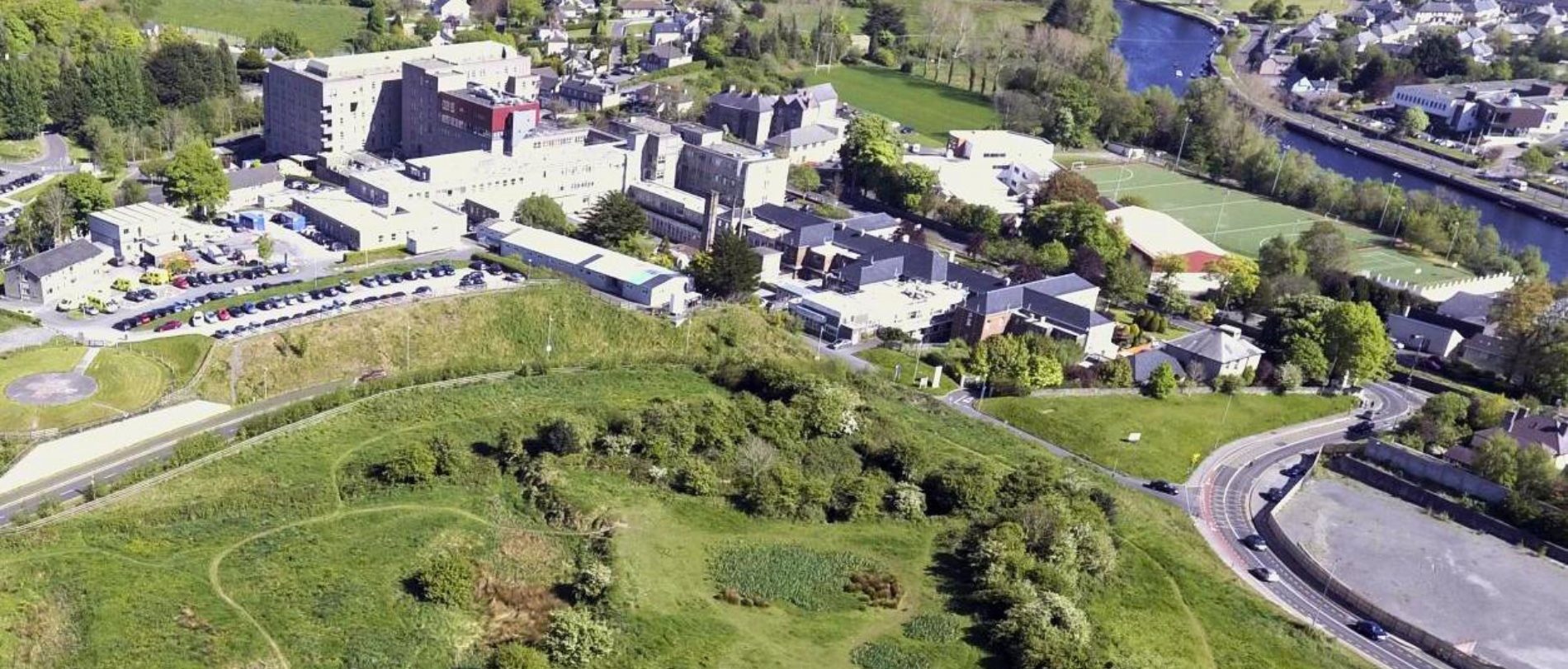
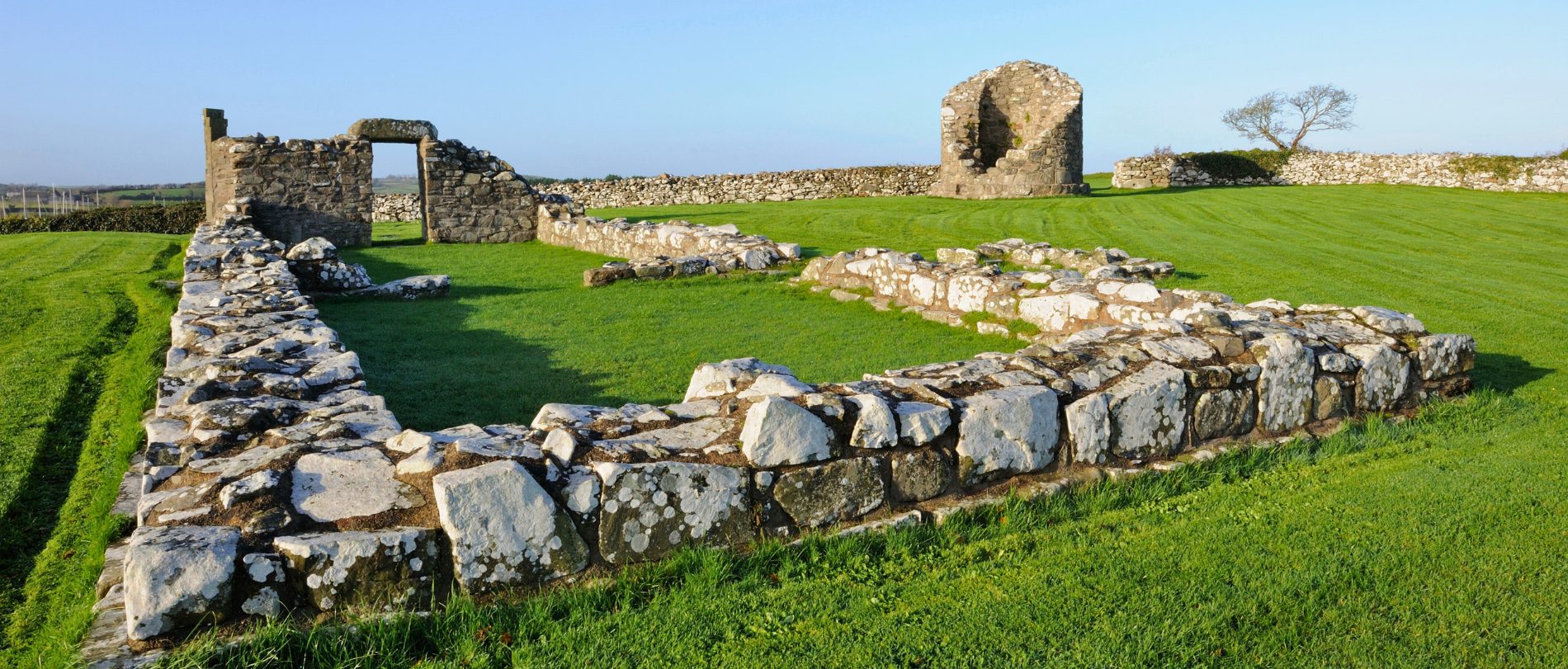
The Green Fort is a bastioned or ‘star-shaped’ military fort with spectacular and extensive views overlooking Sligo Town, Sligo Bay, and the surrounding mountains in the North-West of Ireland. Its elevated position made it an ideal site for defense. It was probably constructed in 1599 during the Nine Years War (1594-1603), on the site of an early medieval ringfort (circa 6th-10th century AD). It became a strategic defensive base during the Williamite Wars (1688-91). 2025 was the first year of excavation, so the focus was centered on understanding the dating and origin of the site as well as the nature of features identified by fieldwalking, geophysics and survey.
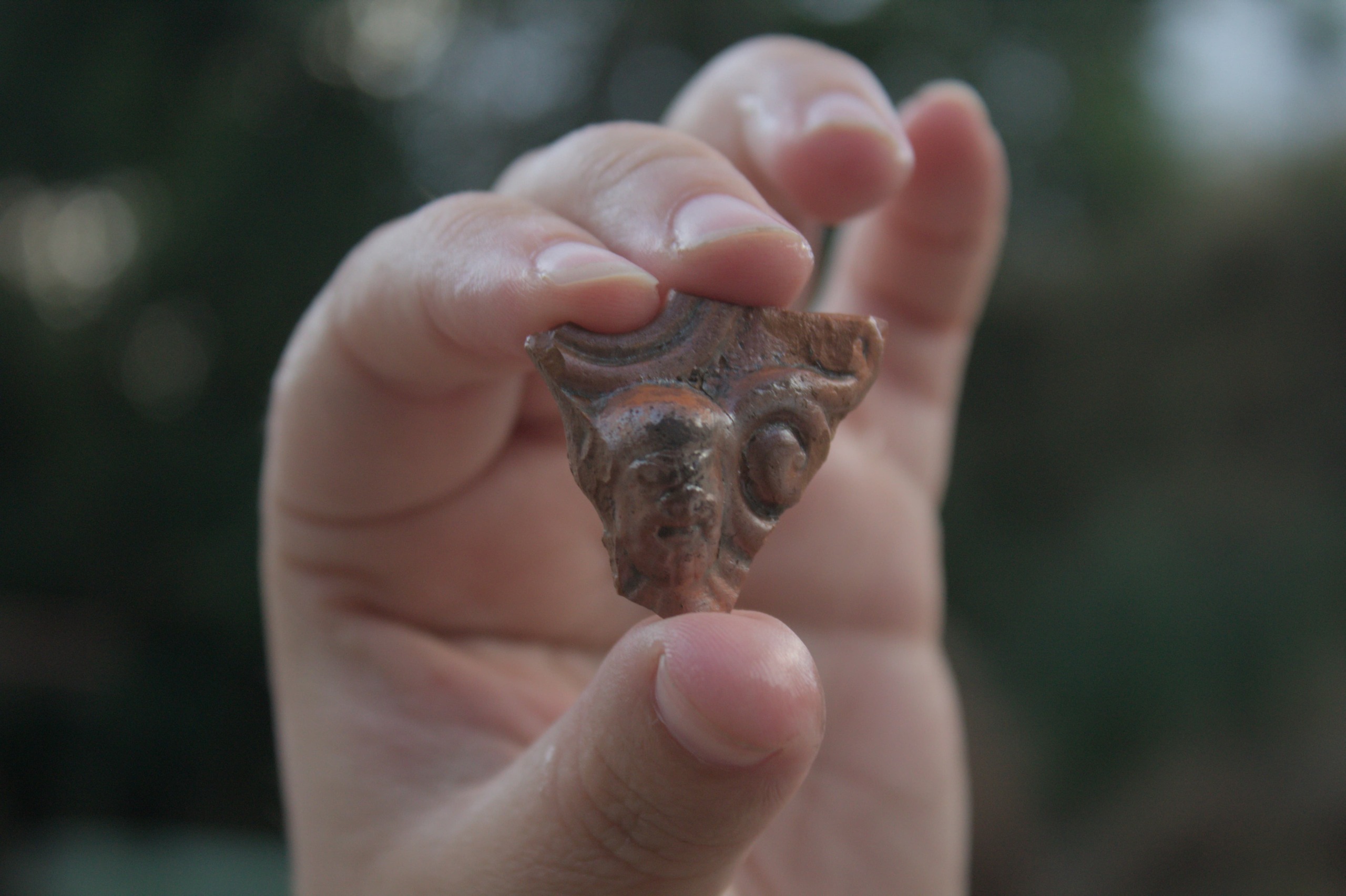
With several historical documents to center our research, the team expected to find remains of weaponry, ceramics, glassware, and ecofacts. We had no specific research question, but wanted to discover more about the everyday lives of the soldiers that occupied the fort and better define the time periods it was in use. We ended up with over one thousand finds at the end of our excavation. Most lined up with our predictions, but there were some unique and unexpected finds such as a rare writing stylus, several glazed ceramics with designs, copper buttons, and pins. These were considered unique finds because their dating strays from the historical documentation of the site.
The Green Fort serves not only as a cultural heritage site, but as a location for young students and locals to learn and express pride in their town’s history. In fact, if it weren’t for the students of Our Lady of Mercy Primary School and The Fort Hill Men’s Group in Sligo, The Green Fort would have never become a site of interest for archaeologists. These groups advocated to highlight this historical site, as it had been significantly underappreciated after its discovery in 2023. They begged the council of Sligo town for over a year until the councilor himself, Declan Bree, finally decided to open and promote the site for research. The general public is also very familiar with The Green Fort through urban legends and fairytales from their childhoods. Folklore surrounding the site tells of faeries whisping away those who fall asleep on the “wishing stone”. A prominent feature on the site.
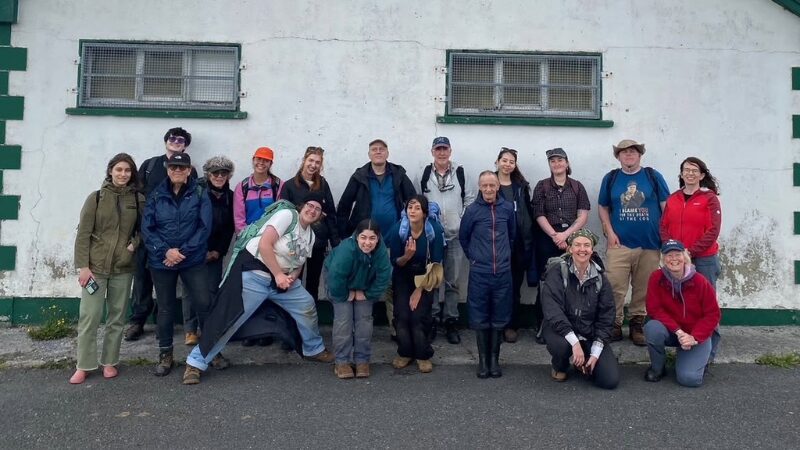
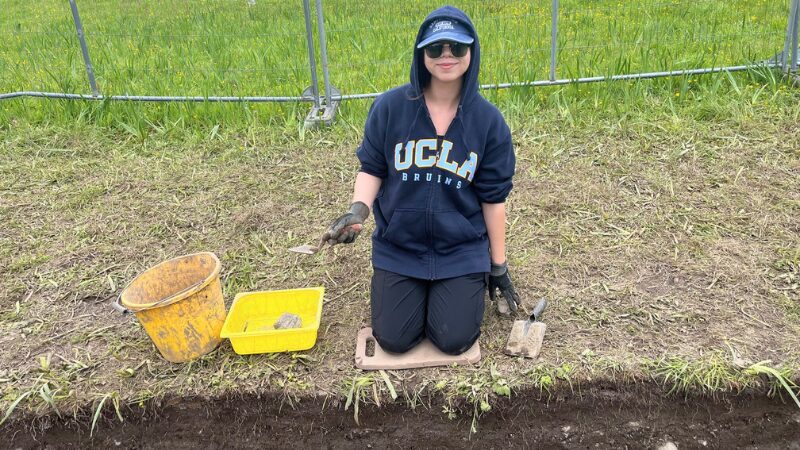
Our team’s research on the Green Fort was rather open ended. With no prior excavations, we were excited to uncover any new information or evidence that confirms the existing historical records. Living and working abroad was an amazing opportunity. Being able to lead my own research while working alongside an intelligent group of individuals was both liberating and humbling. While I was finally able to work on a real archaeological site, it was a bit difficult trying to prioritize my responsibilities on such a large project. At the same time, new strata and artifacts are constantly being discovered, so our theories kept changing by the minute. Although it was frustrating, I had a great team and we learned how to communicate our findings and hypotheses with one another. I am so grateful for this opportunity, the knowledge it gave me, and most importantly, the people I was able to connect so deeply with in just a short month.
Share this article
Follow us
Latest articles
October 17, 2026
October 17, 2026