

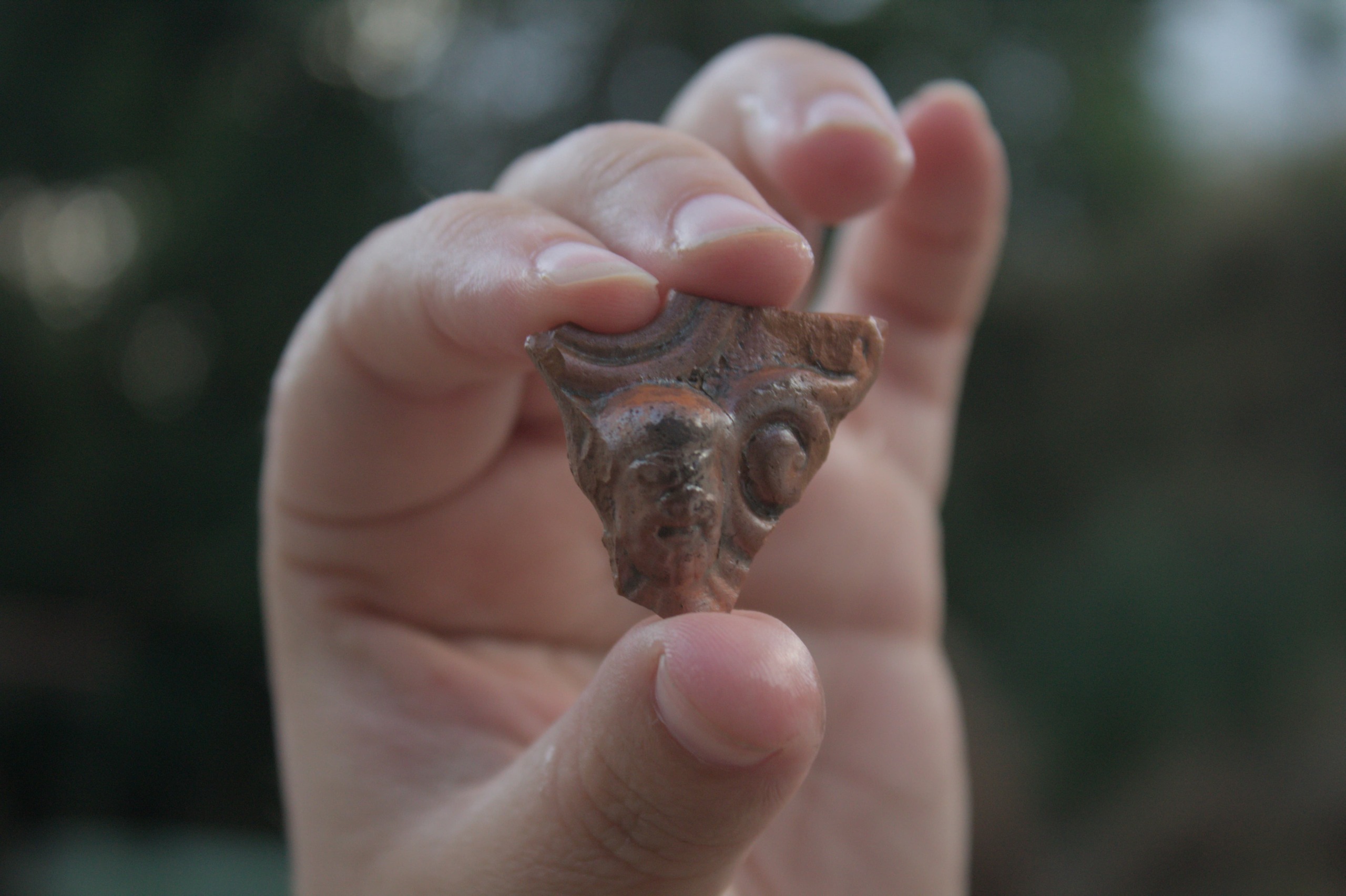
When students from other disciplines besides archaeology think of an archaeological dig, many often imagine the experience as one of two types. Either it is digging holes in the dirt and looking at broken pottery, or it is treasure hunting for ancient gold. While there is definitely a lot of digging and you might even come across some coins or artifacts, a lot more goes on that isn’t apparent until you actually take part in a dig.
The most valuable lessons aren’t about how to hold a trowel or clean a shard of pottery. They are about learning how to think critically, solve unexpected problems, and work with a team of people from all different backgrounds. You are dropped into a new environment with people you don’t know, and very quickly you have to learn how to cooperate, share responsibilities, and adapt to challenges.

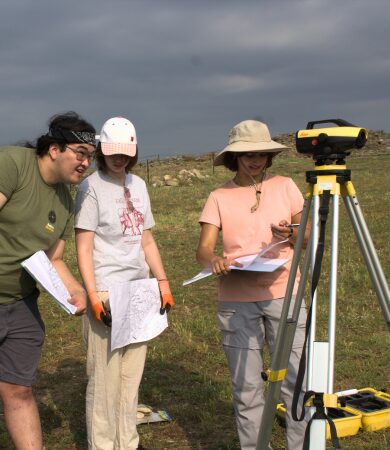
Field schools also take you outside the classroom and into the real world. They force you to balance physical labor with intellectual work, to connect theory with real world practice. You might spend one day carefully excavating a fallen wall and the next day debating interpretations of what you found. This back and forth between doing and thinking makes you more flexible, more analytical, and more open minded.
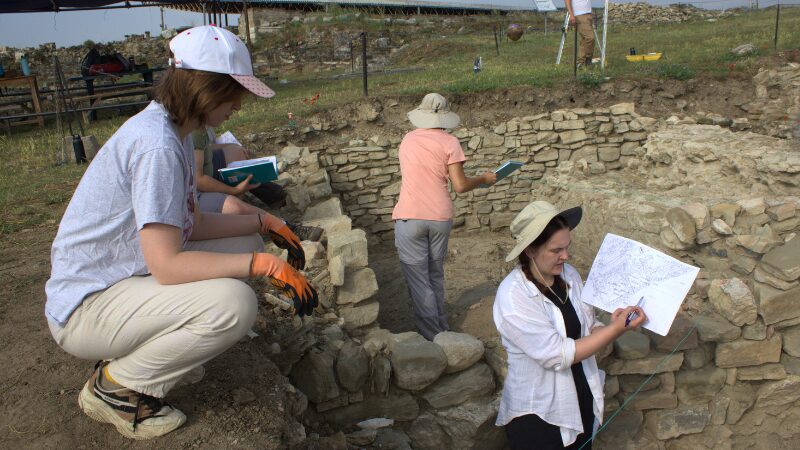
Another essential but less obvious part of the field school experience is journaling. Every day you are expected to record, in precise detail, what you did, what you observed, and the circumstances that shaped your work. These journals are not just personal reflections but professional records that must be clear enough for someone else to understand and continue from years later. This constant practice sharpens your powers of observation and forces you to slow down, notice details, and communicate them accurately. Over time, you learn how to separate what is significant from what is not, and how to write with clarity and purpose. These skills are transferable to many disciplines. In the hard sciences, where accurate lab journals are vital for record keeping you can get real world experience. We weren’t just writing these journals for fun; they were actually kept to become part of the records at the site. You might find in professional fields like business or law, where systematic and precise documentation is critical that you benefit from some work outside the normal approach.
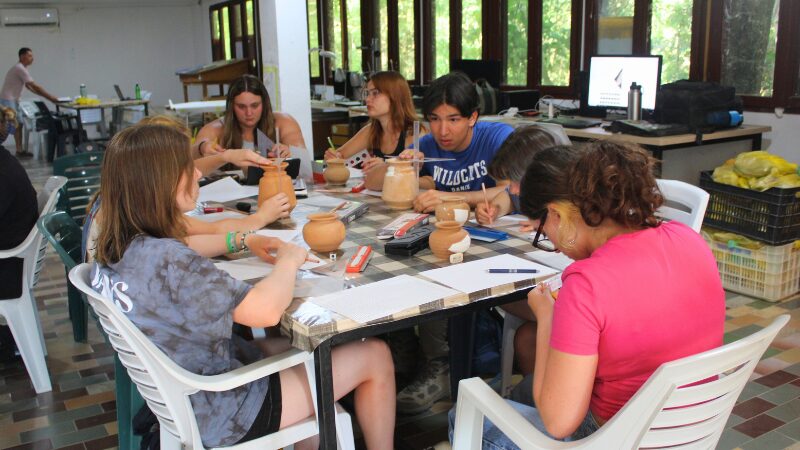
What you gain in the field doesn’t just apply to archaeology. Critical thinking, teamwork, adaptability, and disciplined observation are skills that translate into nearly every discipline and career. For example, the careful data collection and pattern recognition of excavation resemble the methods of laboratory research and engineering. The interpretive work of piecing together fragments into a larger story mirrors the approaches of historians, sociologists, and writers. Project coordination and communication with diverse groups prepare you for business or management, while patience and teamwork under pressure mirror the demands of healthcare and service professions.
That’s why every student, not just aspiring archaeologists, should try an archaeological field school at least once.
Share this article
Follow us
Latest articles
September 26, 2026
September 26, 2026
September 26, 2026