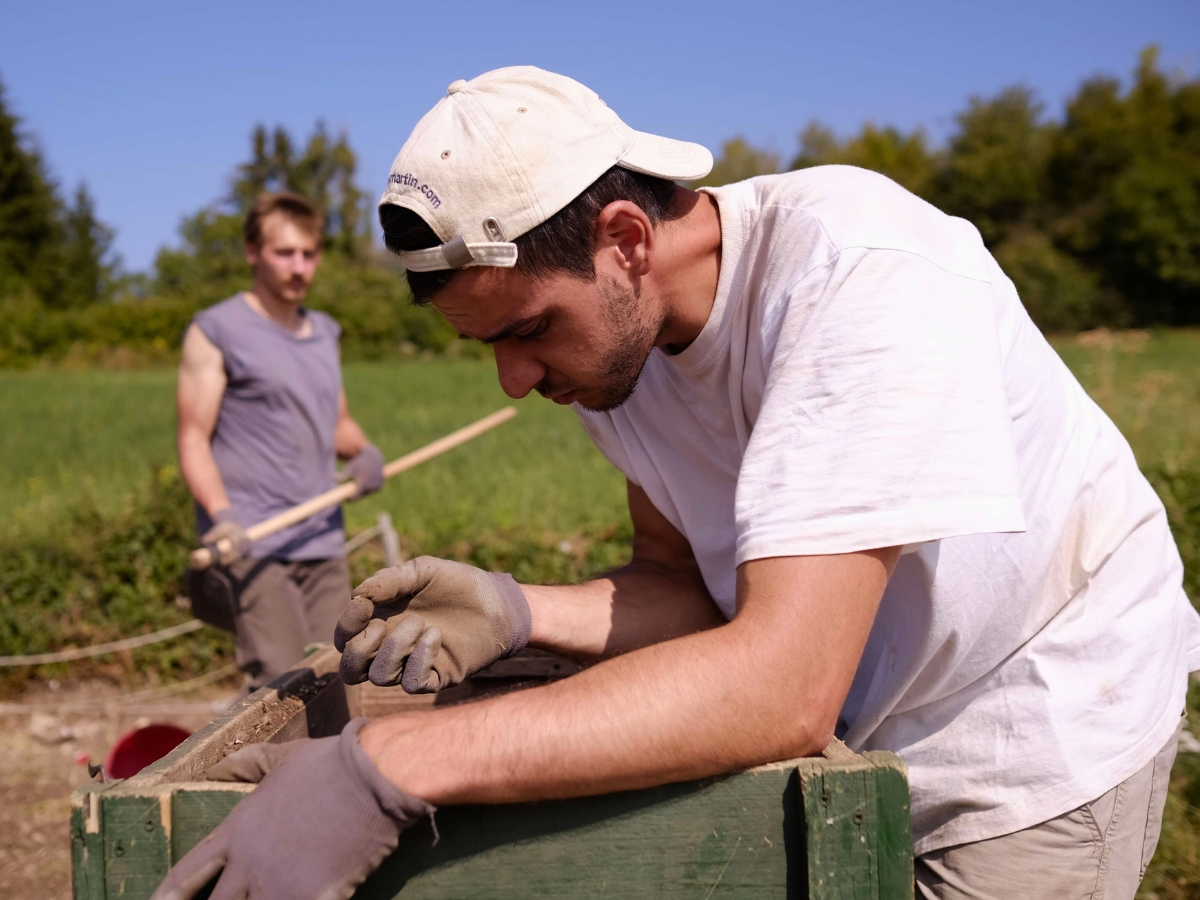
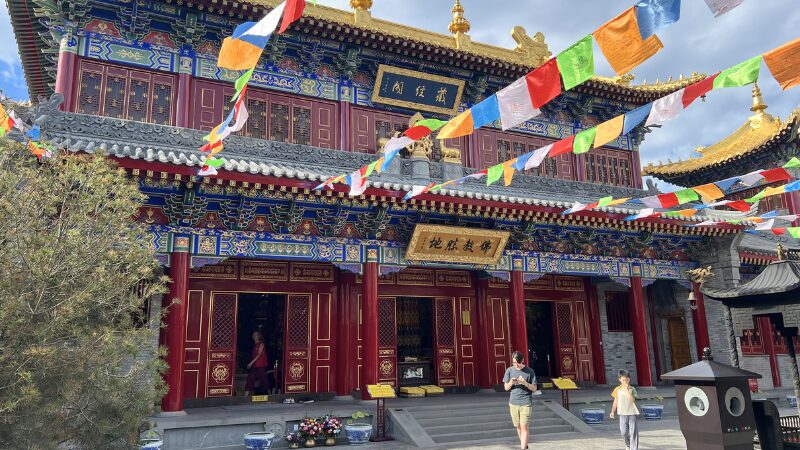
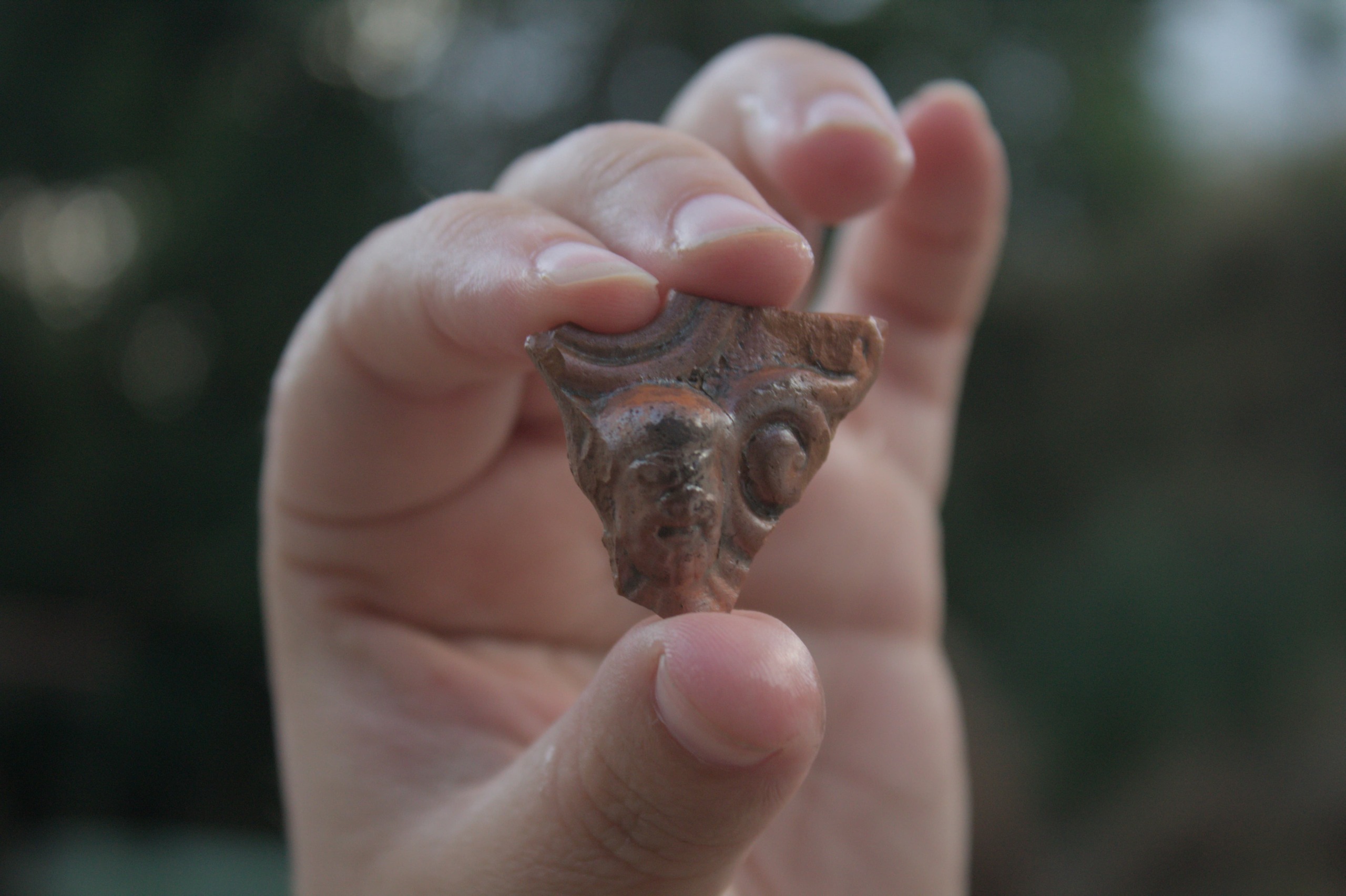
When I first signed up for the Yangguanzhai program, the most I knew to expect was that of the people that left behind the very artifacts we are excavating. With regards to the rest of my trip, the most I could figure is that I would be winging it, on top of a few travelogues on the internet. I was excited, however, to try experiencing different aspects of Chinese culture, such as sampling the local cuisine, visiting tourist attractions, cultural traditions and so on. It’s been said that it isn’t about the destination but more so the journey. The journey was certainly daunting, not always in a physical sense but also in a more mental sense, in that fear of the unknown when you try something new. Other times, it’s just something one wants to try and it becomes a pleasant, rewarding experience. Regardless, no one comes away from these challenges and endeavors without learning something new.
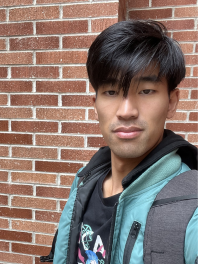
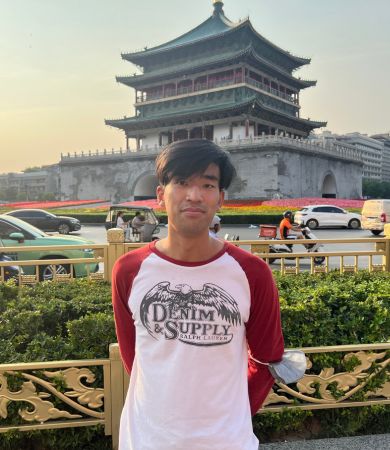
One of the most standout surprises I found on this trip however, wasn’t anything about the local culture, but my own ability to adapt to said local culture. This wasn’t just my first time traveling alone, but also to a completely foreign country that I did not know the language to. I consider myself fortunate that I was able to reach the hotel without getting completely lost. It helps that I preemptively saved the hotel address and travel details in the event that I couldn’t reach those details later, which did happen as Google services are not available in China, including Gmail. Afterwards, I made a few new friends, other students also participating in the program who are able to communicate locally. Still, lesson learned, I’m not a completely hopeless traveler. By the midpoint of the program period, I was travelling around on foot and assisting in grocery shopping either with a partner or alone with a translator app. This, I can be proud of, even if it is a relatively minute achievement in the grand scheme of things.
The other most unexpected thing was probably this noodle dish called Biang Biang, or Youpochemian, that I had the pleasure of trying at the archaeological team’s station near the excavation site. It’s a signature dish in Shaanxi, with Youpochemian literally translating to “oil poured over hand-pulled noodles,” which is a pretty on-the-nose description of the dish. It’s so good. I would swear by Biang Biang for the rest of my days if it comes to it. Even now, back home in the U.S., I am still actively attempting to replicate the recipe served at that station.
“No pain, no gain.” “Fortune favors the bold.” “Eat bitter, taste sweet.” All of these proverbs describe the rewards of effort. Effort doesn’t always come as a physical form of sacrifice though, as it always essentially boils down on an integral level to the sacrifice of time and energy. To make that effort of trying something new is the journey for many. It may not always pan out, but I was fortunate to see fruits rather than empty branches this time around. Just proving to myself that I am not a clueless tourist who now has a potentially unhealthy obsession for a Chinese signature noodle dish is quite possibly itself worth the price of admission.
Share this article
Follow us
Latest articles
October 17, 2026

October 17, 2026