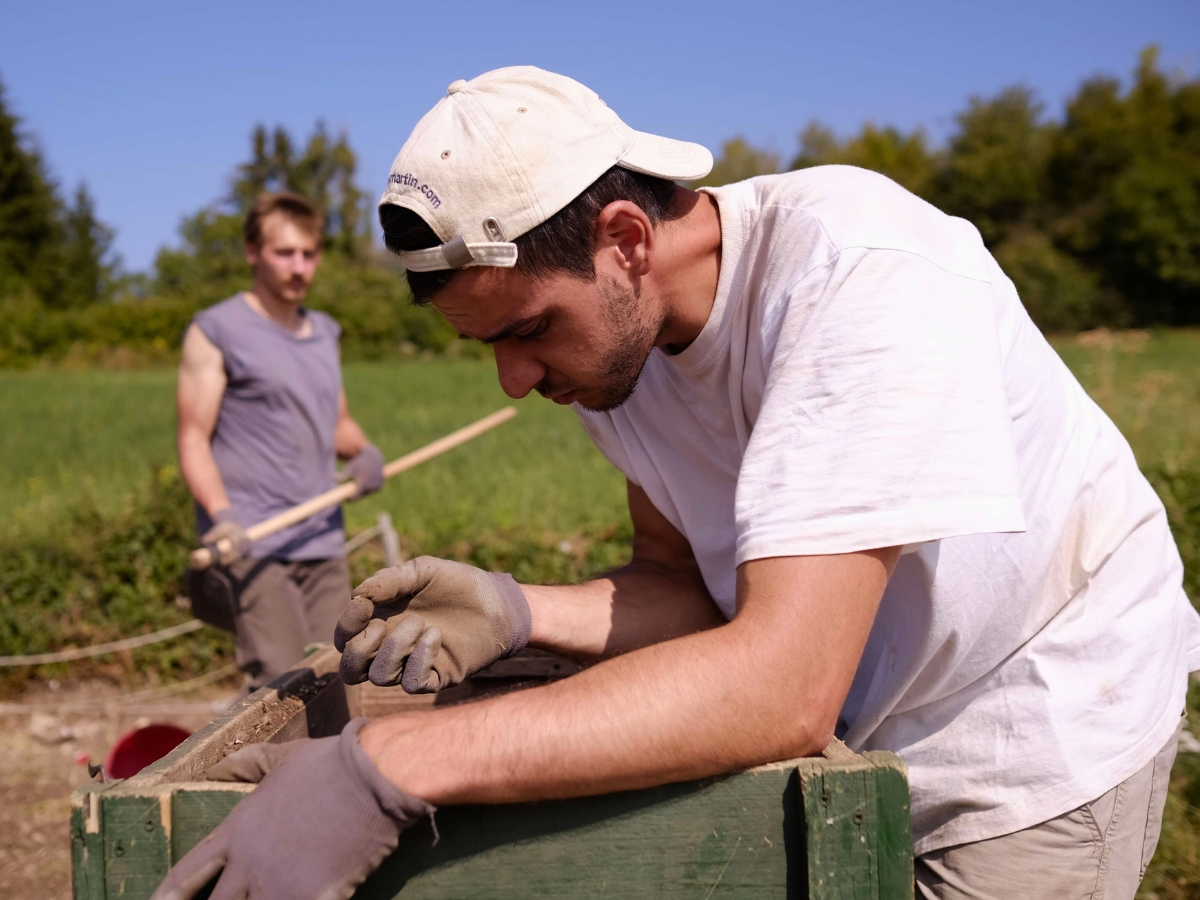
As we celebrate 15 years of IFR, we’ve been spotlighting alumni stories that show how impactful field school experiences can be. Sometimes that impact looks like a career path or a research focus—and sometimes, like in the case of IFR alumni Sarah and Michal, it looks like meeting the person you’ll build a life and a family with!
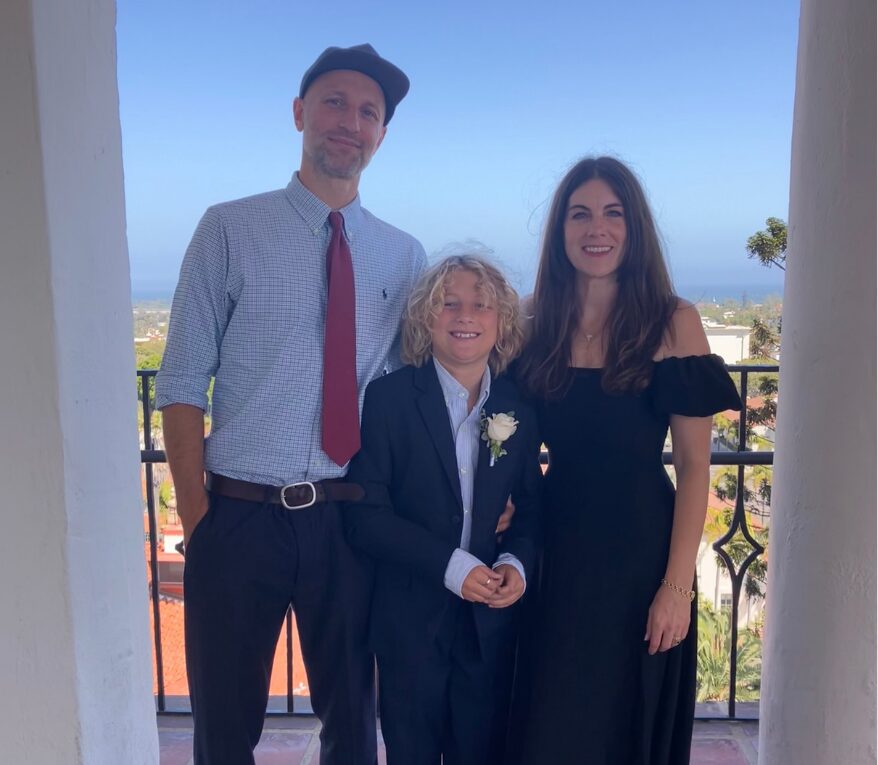
This Valentine’s season, we are thrilled to reconnect with Sarah to ask some questions about their love story. Read on to learn how they met, where their journey has taken them since, and what advice they have for those considering field school.
1. What first drew you to each other during your summer in Ireland?
The structure of the field school, which is a lot like a grown up summer camp, definitely shaped the way we got to know each other. The amount of time spent with people who shared the same interests made it really easy to form relationships. That’s obviously true for me and Michal, but we also made amazing friends we still speak to daily, nearly 13 years later.
I was at a massive crossroads in my life before going to Spike Island, and being surrounded by so many likeminded people there helped me make decisions that changed the trajectory of my entire life. Plus, Michal and I were two of the oldest attendees (at 26) so we were at similar stages in our lives with similar goals and that probably made it easier to take our feelings for each other more seriously, even though they appeared in a pretty unreal way.
2. Can you tell us the story of how your relationship developed after the field school ended?
Michal was living in Ireland near the field school at the time and I was from California, so we knew from the beginning that we’d have to decide how serious we were before the field school ended. It is a truly absurd thing to commit to a serious, long-distance relationship with someone you’ve known for six weeks, but that’s what we did. I went back home to California, finished my MA in Forensic Anthropology, and started applying for jobs in England, where Michal was moving to start an Archaeology Master’s program. I was offered the first and only job I applied for, was granted a work visa to the UK, and by January 2014, I was living with Michal in England.
3. Apart from the huge personal impact field school had on your lives, has your field school experience played a role in your professional paths?
Absolutely. Michal finished his Archaeology program, worked as a field archaeologist for years, and eventually became an Assistant County Archaeologist in Wiltshire, England. While I decided not to pursue a career in forensic anthropology or archaeology, I earned a PhD after moving to England, which I could not have done without completing my MA. And I now work in public health, still passionate about people and our lives.
4. If you could give one piece of advice to current students heading into their first field school, what would it be?
Expect the unexpected! I could not have imagined how much IFR would change everything I did moving forward. It really was a transformative experience.
5. And lastly, has your son inherited an interest in archaeology?
He has! He loves science and history, asks great questions, and is an excellent storyteller. He’s particularly good at big-picture thinking and finding creative solutions to problems, which I think we all lean on heavily when studying the past. He’s currently working on a school research project about the Ice Age(s) – definitely one of us.
Share this article
Follow us
Latest articles
October 26, 2026
October 26, 2026