
Overview
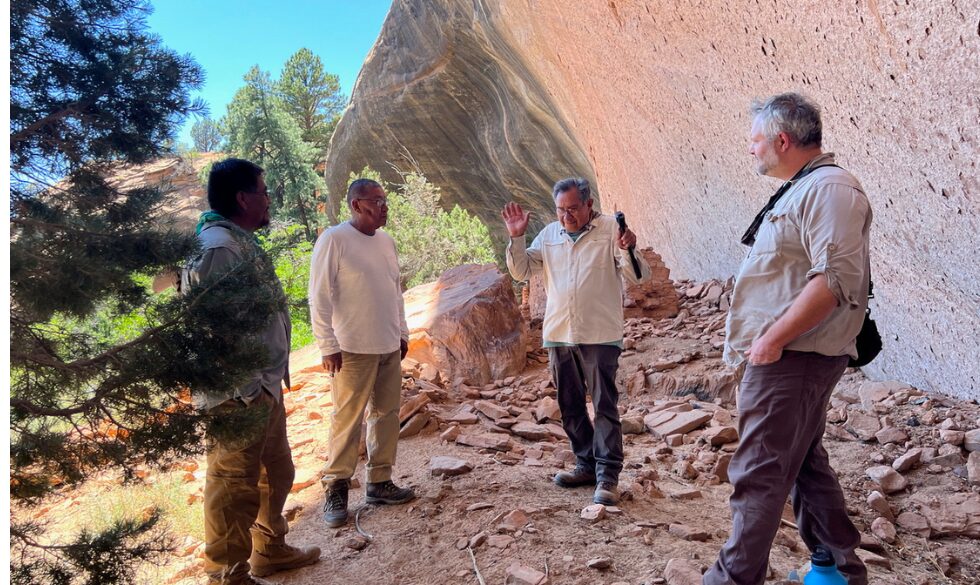
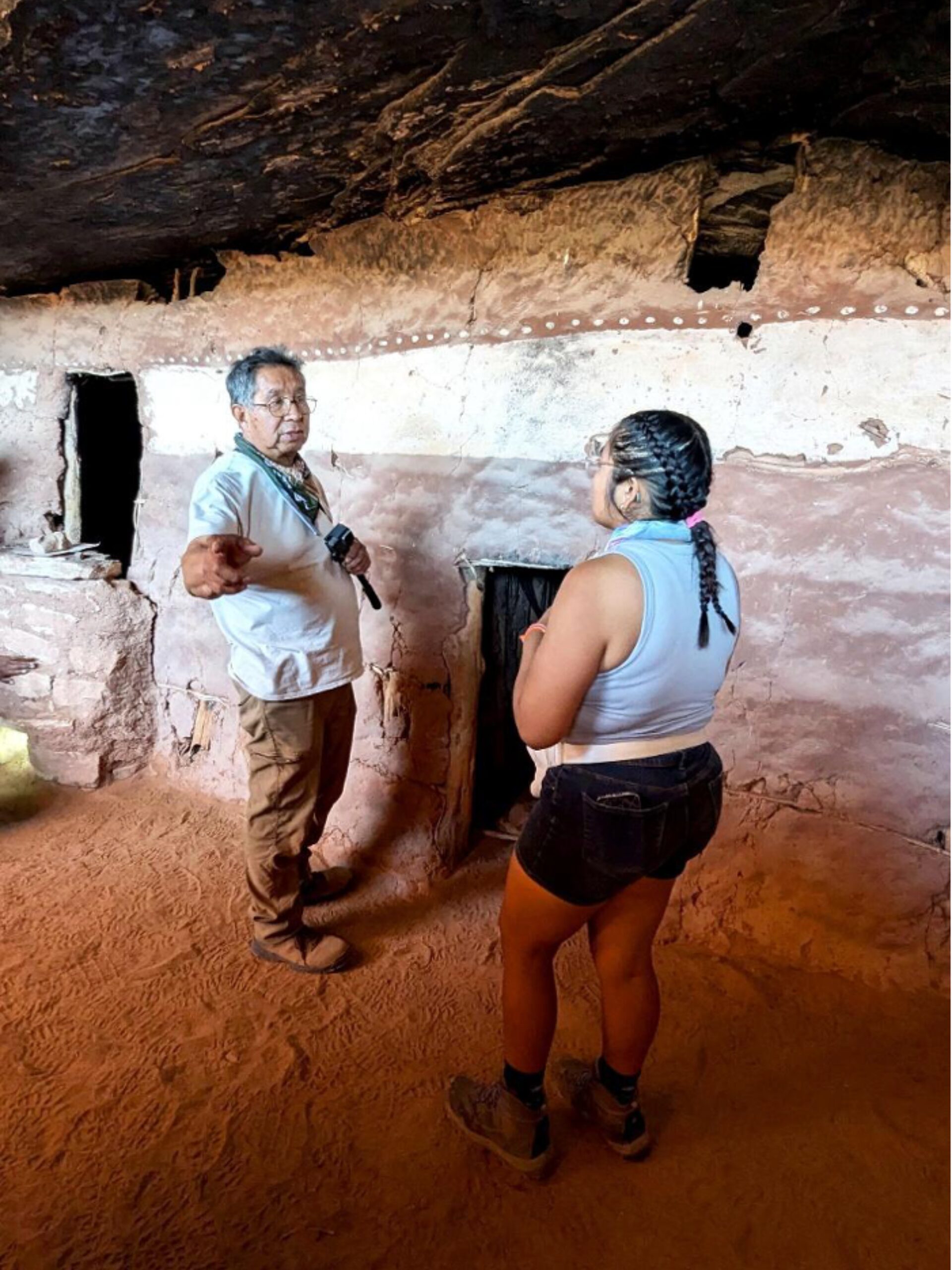
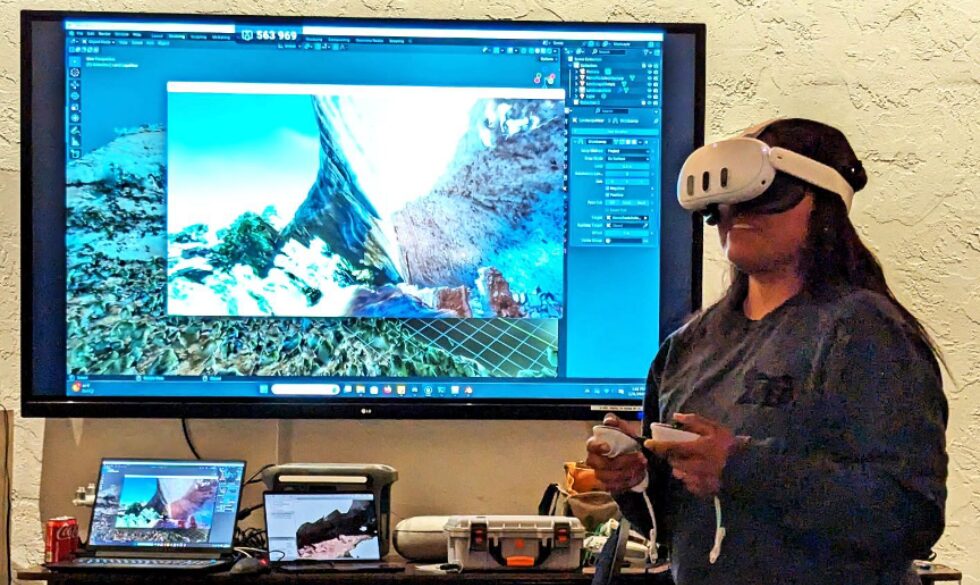
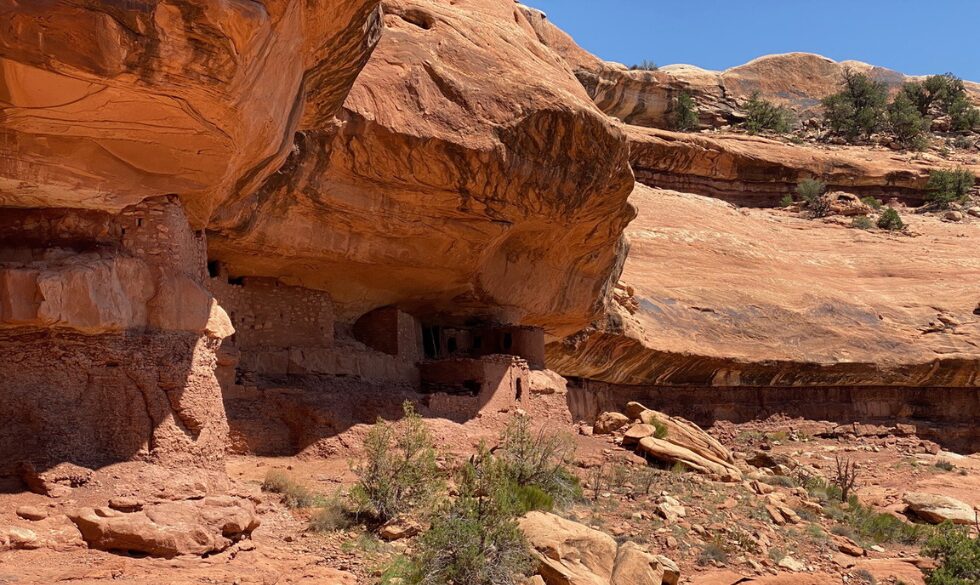
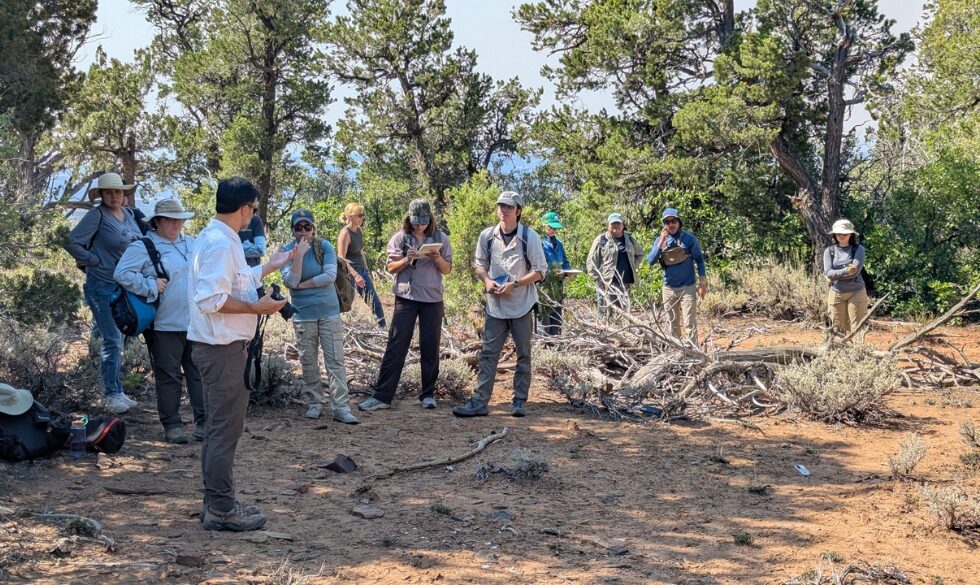
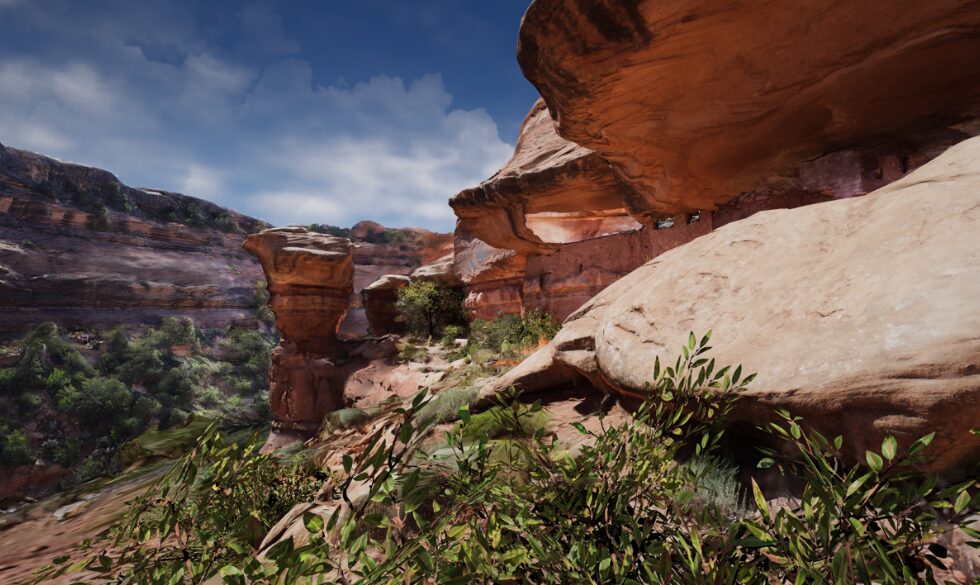
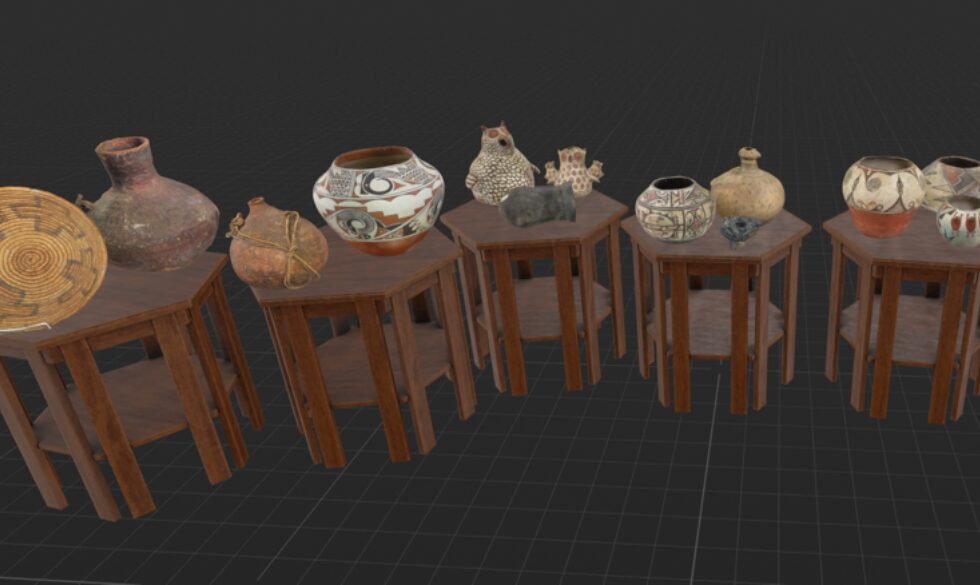
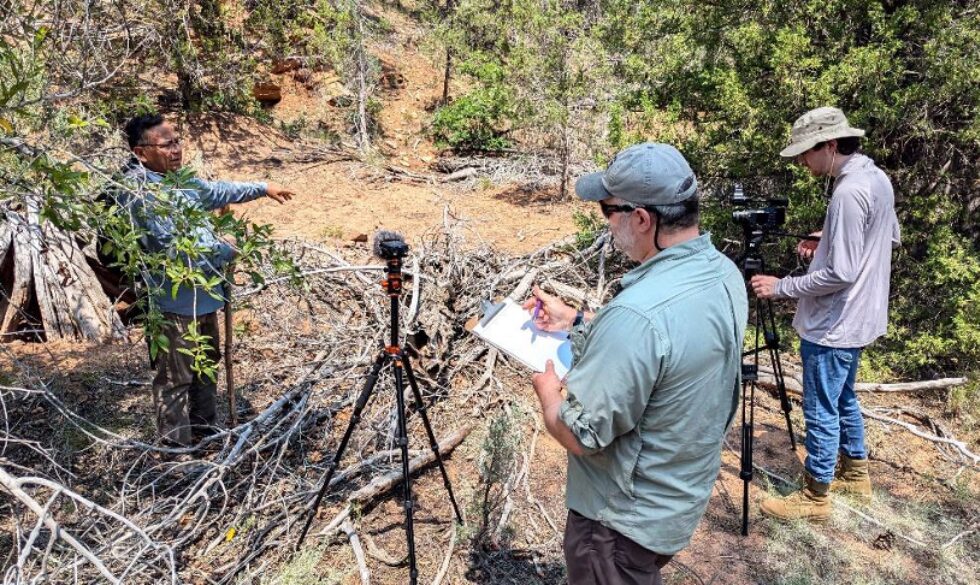
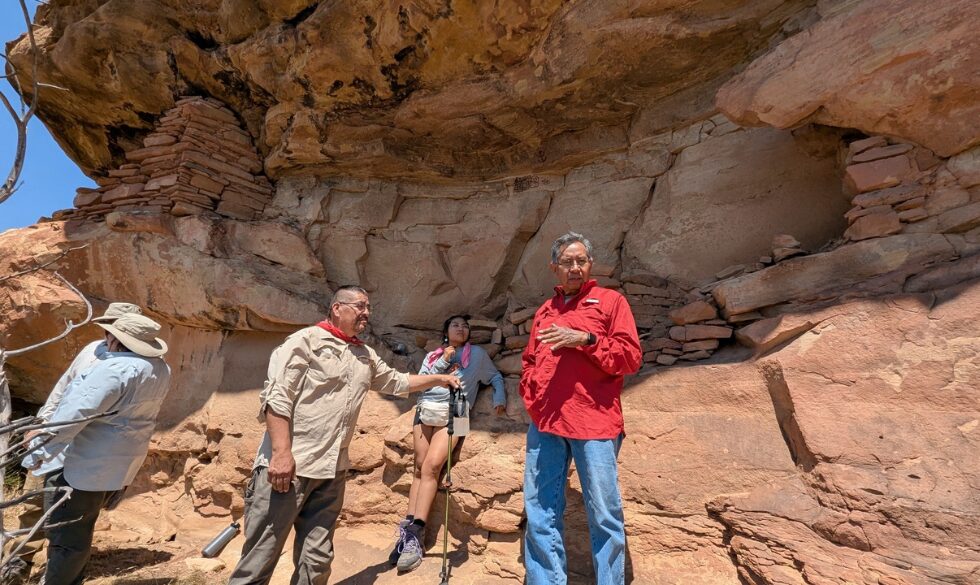
Explore the rich cultural heritage of the American Southwest while helping co-create AR/VR experiences of the Bears Ears National Monument (BENM) for public education and community use. Through a series of workshops, you’ll collaborate with an array of professionals and the Indigenous community to document and interpret the cultural landscapes of BENM, incorporating cutting-edge digital techniques along with ethnographic interviewing. Investigate how collaboratively produced digital cultural heritage content can contribute to long‑term stewardship, community education, and interpretation of threatened cultural resources like BENM.
Field school highlights:
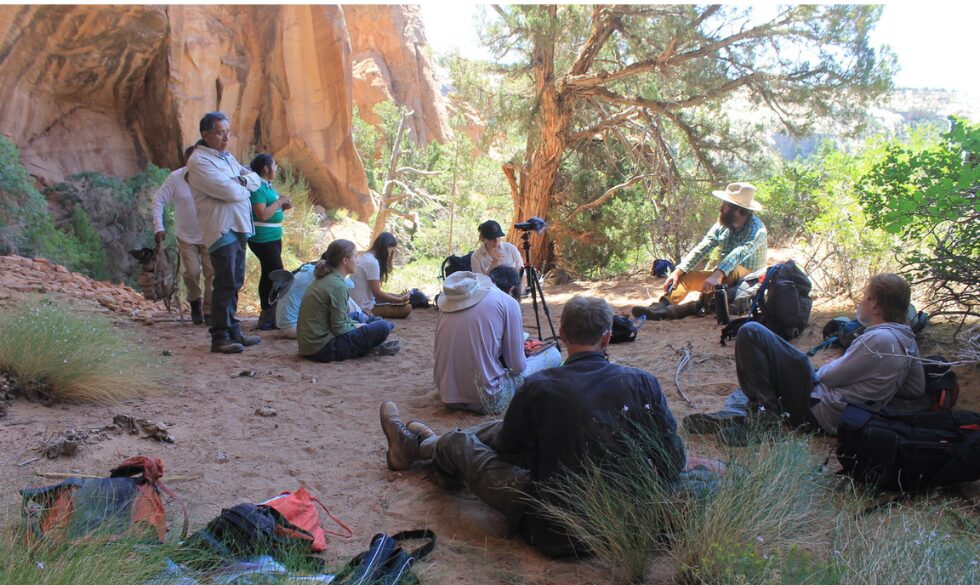
- Gain lasting relationships and practical experience in respectful consultation with the Indigenous community, including native students and tribal experts.
- Produce portfolio-ready work with pathways for professional dissemination through posters, presentations, and publications.
- Learn cutting‑edge, community‑engaged digital methods, all while surrounded by the beauty of southeastern Utah!
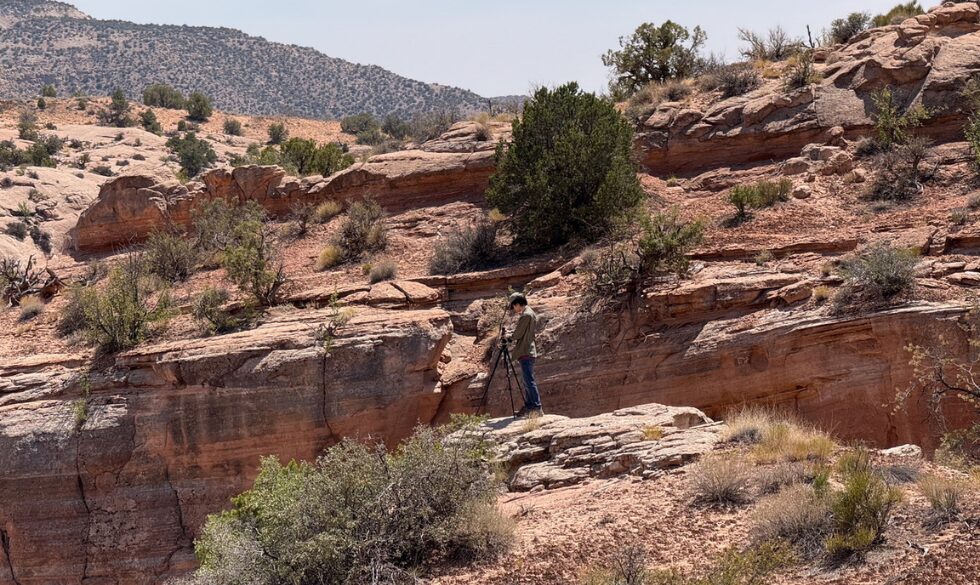
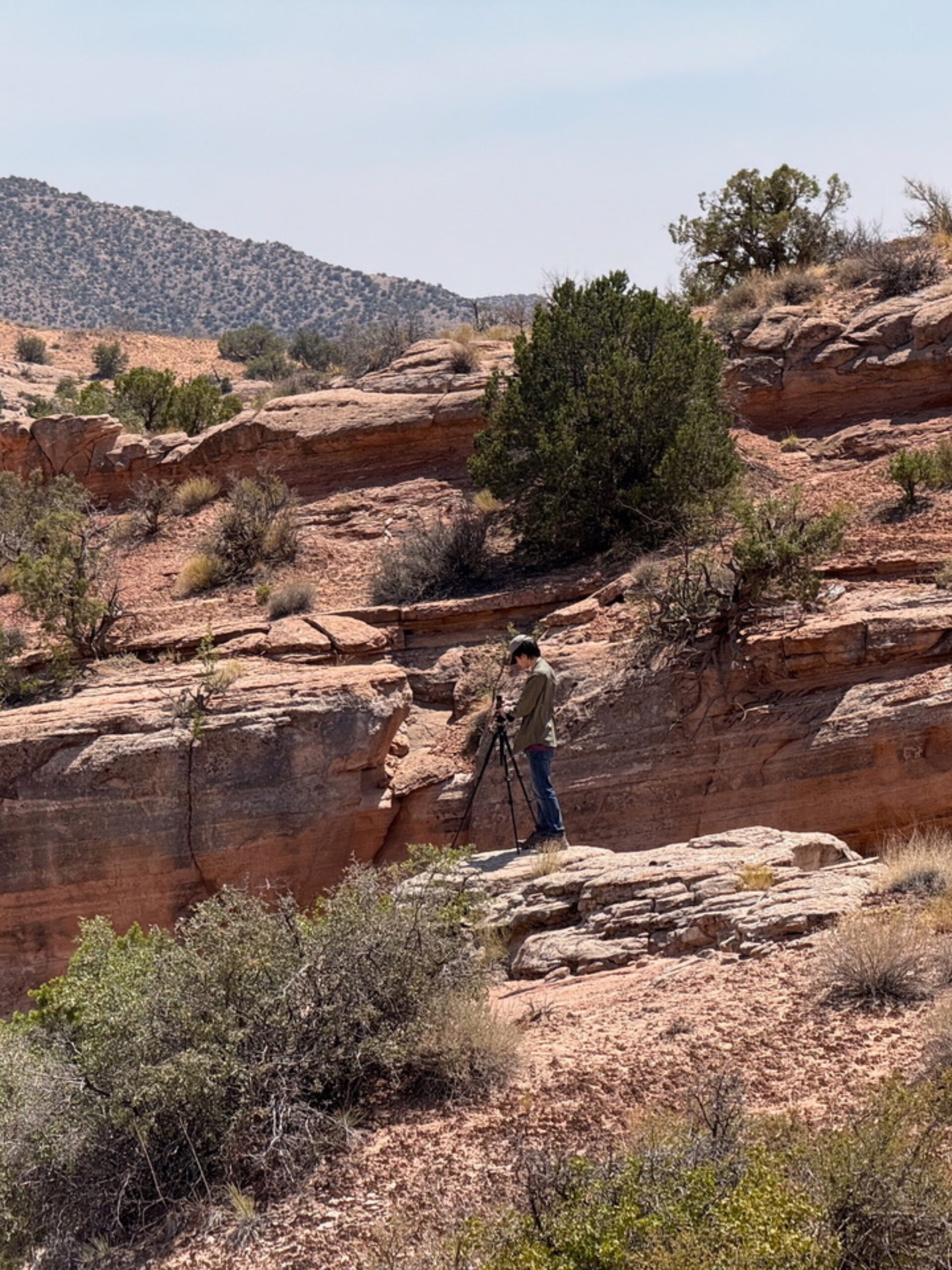
 Field Conditions & Prerequisites: Bears Ears is a high-desert landscape and field work takes place in a wilderness setting in late-summer conditions. Participants should be able to hike up to 6 miles/day on uneven terrain at elevation, and lift and carry up to 30 pounds.
| Course Details | |
|---|---|
| Course Dates (2026) | online July 13-17 July 18 – August 9 onsite |
| Course Type | Digital Archaeology, Cultural Heritage, Ethnography |
| Instructors | Dr. Eric J. Heller, Dr. Benjamin Bellorado, and Dr. Noah Pleshet |
| Credits* | 6 semester (9 quarter) |
| Apply By | April 1 |
| Fees Due By | April 15 |
| Program Fees | (2026) |
|---|---|
| Tuition | $4,900 |
| Transcript Fee* | $350 |
| Health & Evacuation Insurance | NA |
| Room & Board | $900 |
| TOTAL: | $6,150 |
Summer 26 applications are now closed.
Check back in late September for Summer 27 applications.
Instructors
The directors welcome emails and inquiries about the research elements of this project. More general information (tuition, health insurance, and payment schedule) can be found under the ‘Students’ tab above. Any further questions may be addressed to IFR staff. Additional details about research, course schedule, travel, accommodation, and safety can be found on the syllabus. Contacting the directors or the IFR office is encouraged and appreciated. It may help you determine if this field school is a good fit for you.

Testimonials
This is a new IFR field school. No student testimonials are available at this time.
Payment & Student Fees
Application Fee: There is a $45 fee to submit an online application.
Deposit Payment: A nonrefundable $500 deposit is due within 3 weeks of program acceptance in order to secure your place. The remainder of your program fees are due by the deadline indicated under “Course Details”.
*Transcript Fee & Academic Credit Opt Out: If you wish to participate in an IFR field school without earning academic credits, you will not be charged a transcript fee.
For more information about payment, fees, and policies, please see details under our Payment & Finances and Withdrawal and Cancellation Policy pages.
Accommodations
A true field school experience, you’ll sleep in shared tents at Devil’s Canyon Campground. The campground has basic toilets and water, but you will also have access to the project headquarters in a large house, where you can prepare meals, shower, and do laundry.
You will also get to experience 2 nights of wilderness camping atop Cedar Mesa.
Meals: Most meals are provided on this program and will be prepared at the project house by staff and students together. Breakfast and dinners will be prepared and eaten at the house, and lunches will be packed and brought to site.
Students may choose to eat lunch or dinner out in the community on off days, at their own expense. Most special diets can be accommodated on this program.
Travel Info
Natural disasters, political changes, weather conditions and various other factors may force the cancellation or alteration of a field school. IFR recommends students only purchase airline tickets that are fully refundable and consider travel insurance in case a program or travel plans must change for any reason.
General information for this program is below, but keep in mind we will discuss any updated travel information and regulations during the required program orientation, which could affect travel plans.
Program staff will meet students in Blanding, UT by 5:00pm on the program start date. How you arrive to Blanding may vary based on your home location, and you may want to coordinate with other program participants.
By air: Durango–La Plata County Airport (DRO) in Colorado is the closest major airport to Blanding, but you may find more flight options into Grand Junction (GJT) or Salt Lake City (SLC). The program will coordinate pick-ups from DRO, while there is a bus/shuttle option from SLC. Be aware that SLC is several hours from Blanding, so you should plan on a morning arrival to that airport. Exact meeting point and schedule will be communicated to enrolled students.
By car: you can arrive to site by car, or choose to fly to a nearby airport and use a rental car.
Once onsite, the program will transport all students in high-clearance vehicles.