
Overview
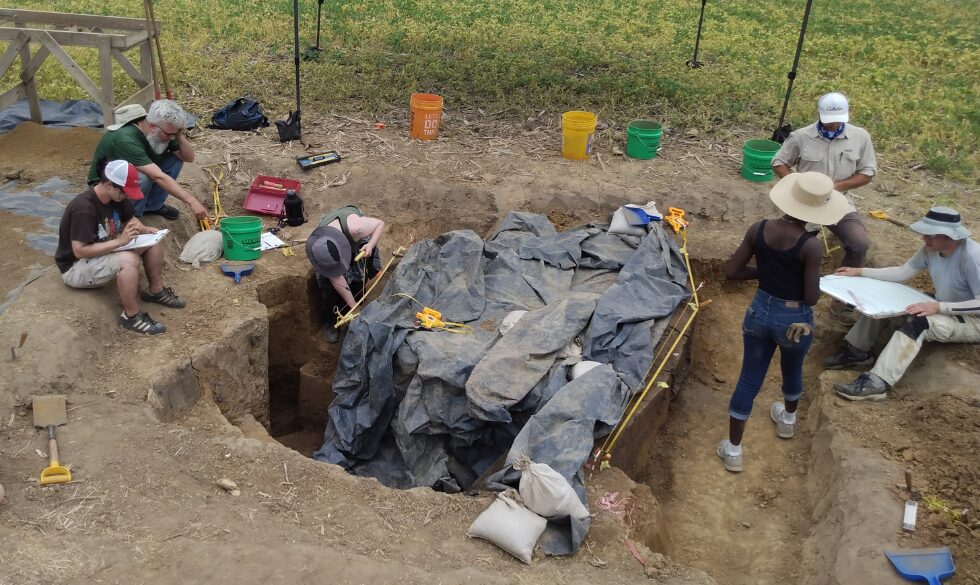
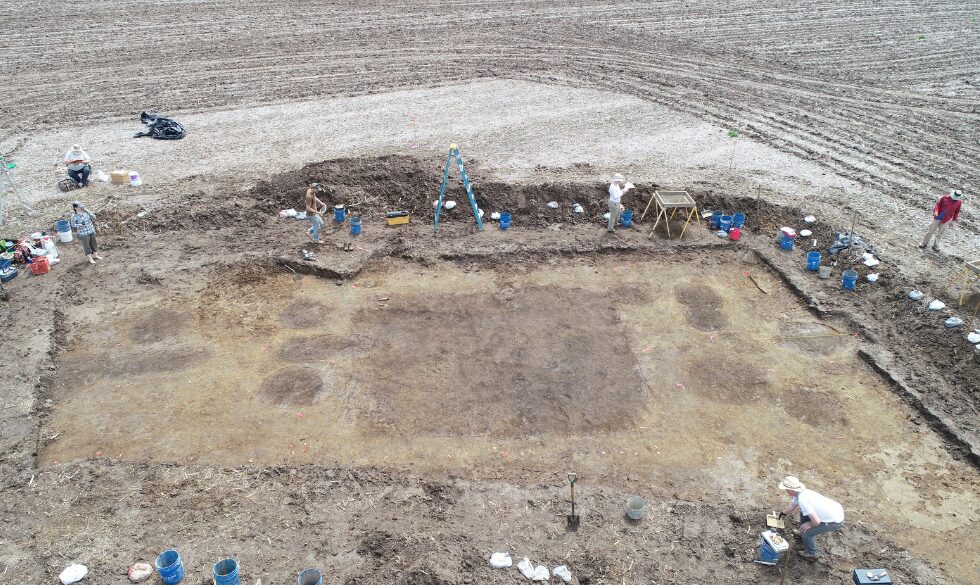
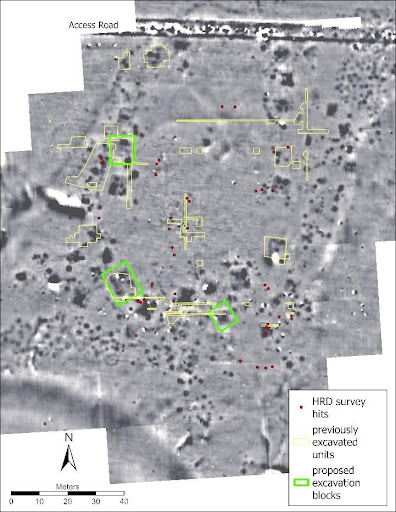
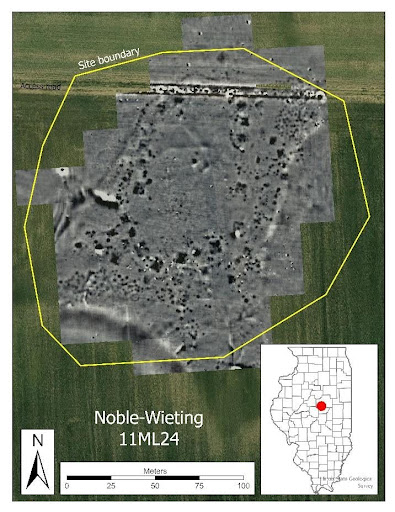
Explore how indigenous groups came together during a particularly turbulent period in North America’s history. This program investigates the 13th-15th century Noble-Wieting site in Illinois, where the Langford and Mississippian cultural groups formed a unique shared community during an era of climate stress, migration, and social upheaval. As a participant in this archaeology field school, you’ll help uncover new insights about daily life at this remarkable settlement during a time of uncertainty.
Led by the Illinois State Archaeological Survey (ISAS) and Illinois State University, this project works closely with 18 Tribal Nations who help guide the research and long-term preservation goals for the site. You’ll gain hands-on experience in essential archaeological field skills while learning how to conduct collaborative research that is responsible to descendant communities.
Field school highlights:
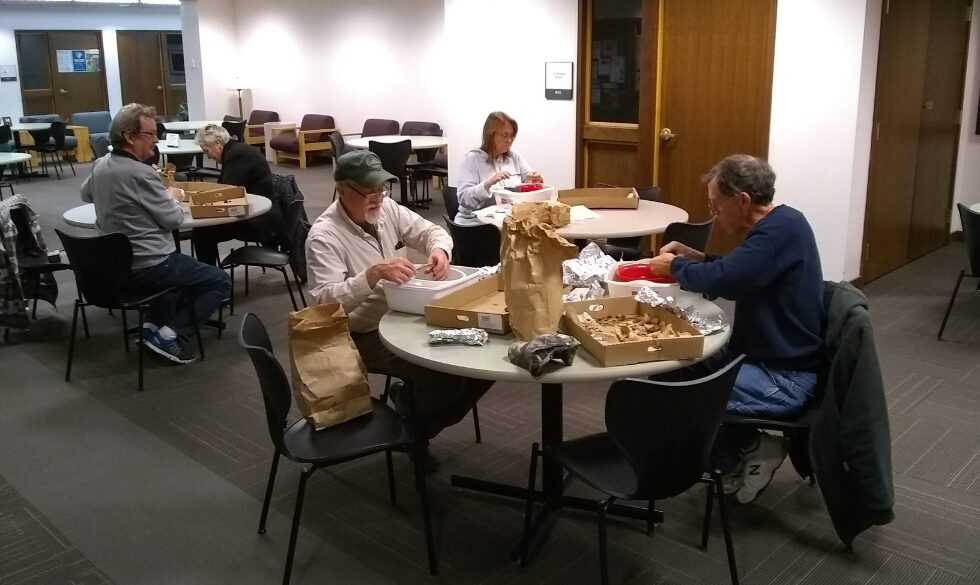
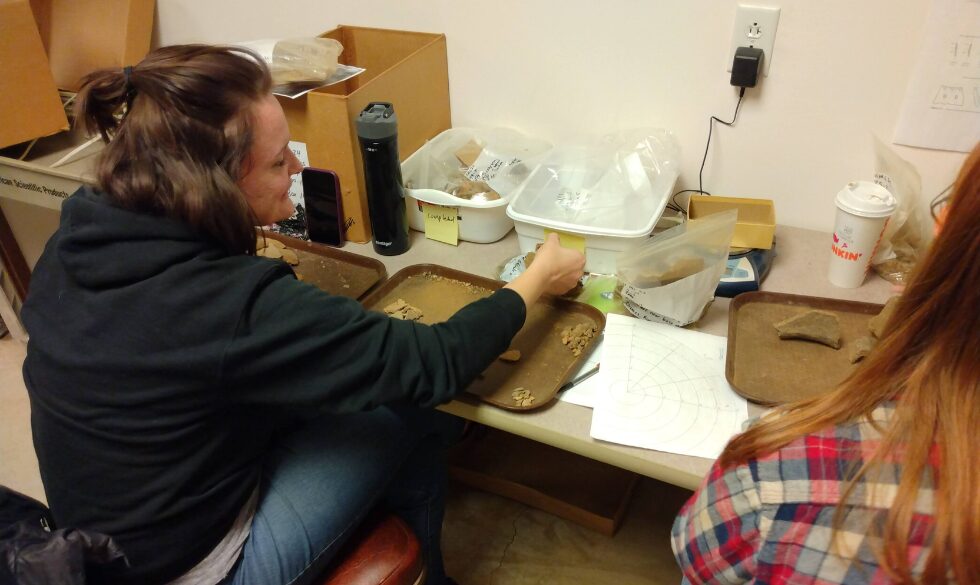
- Build skills in excavation, mapping, survey, artifact analysis, working with community stakeholders, and more.
- Play a role in shaping the future of the Noble-Wieting site by uncovering findings that strengthen the case for its preservation.
- Visit regional heritage sites such as Cahokia Mounds and Dickson Mounds Museum, and enjoy the museums, arts, and cultural scene of Urbana-Champaign.

| Course Details | |
|---|---|
| Course Dates | June 1 – July 10, 2026 |
| Course Type | Field archaeology, Excavation |
| Instructors | Dr. B. Jacob Skousen |
| Credits* | 8 semester (12 quarter) – anticipated |
| Apply By | April 1 |
| Fees Due By | April 15 |
| Program Fees | (2026) |
|---|---|
| Tuition | $4,550 |
| Transcript Fee* | $350 |
| Health & Evacuation Insurance | NA |
| Room & Board | $2,025 |
| TOTAL: | $6,925 |
This program is full and is no longer accepting new applications.
Email admissions@ifrglobal.org to ask about joining the waitlist.
Instructors
The directors welcome emails and inquiries about the research elements of this project. More general information (tuition, health insurance, and payment schedule) can be found under the ‘Students’ tab above. Any further questions may be addressed to IFR staff. Additional details about research, course schedule, travel, accommodation, and safety can be found on the syllabus. Contacting the directors or the IFR office is encouraged and appreciated. It may help you determine if this field school is a good fit for you.

Testimonials
This is a new IFR field school. No student testimonials are available at this time.
Payment & Student Fees
Application Fee: There is a $45 fee to submit an online application.
Deposit Payment: A nonrefundable $500 deposit is due within 3 weeks of program acceptance in order to secure your place. The remainder of your program fees are due by the deadline indicated under “Course Details”.
*Transcript Fee & Academic Credit Opt Out: If you wish to participate in an IFR field school without earning academic credits, you will not be charged a transcript fee.
For more information about payment, fees, and policies, please see details under our Payment & Finances and Withdrawal and Cancellation Policy pages.
Accommodations
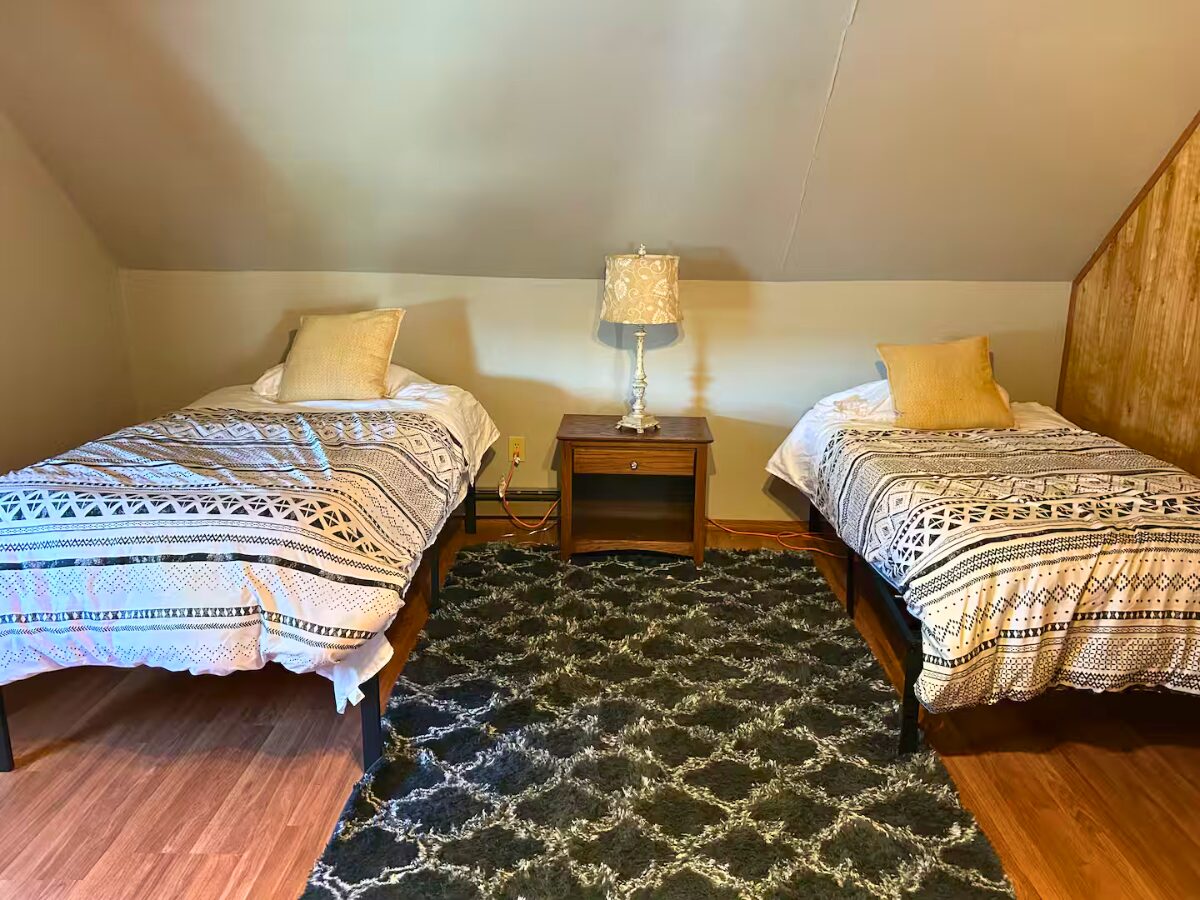
Students will stay together in a large shared house in Champaign, featuring six bedrooms, two bathrooms, a kitchen, a dining room, and a common area for relaxing after fieldwork. Rooms are shared, with two students per room. The house includes on-street and rear parking but does not have laundry facilities; several laundromats are available nearby.
Meals: Groceries will be purchased by the program but students will be responsible for planning and preparing their meals. The team will shop together weekly to restock supplies, and cooking and cleaning duties will rotate among students. Students will take an active role in grocery planning and so should be able to accommodate any special dietary needs.
Travel Info
Natural disasters, political changes, weather conditions and various other factors may force the cancellation or alteration of a field school. IFR recommends students only purchase airline tickets that are fully refundable and consider travel insurance in case a program or travel plans must change for any reason.
General information for this program is below, but keep in mind we will discuss any updated travel information and regulations during the required program orientation, which could affect travel plans.
You will navigate independently to the field school housing in Champaign, Illinois on arrival day. Your best method of transportation will depend on your place of origin, and you may want to compare routes to find which works best.
> You may be able to fly directly to the Willard Airport at the University of Illinois, which is about a 15 min drive from the housing.
> You can alternately fly into either Chicago O’Hare or Peoria airport and take an Amtrak train to Champaign, which takes about 2-2.5 hours.
> You may take an Amtrak train directly to Champaign from your departure point.
> You may also drive.
Once on-site, the program will transport students to the field in a small bus.