
Overview
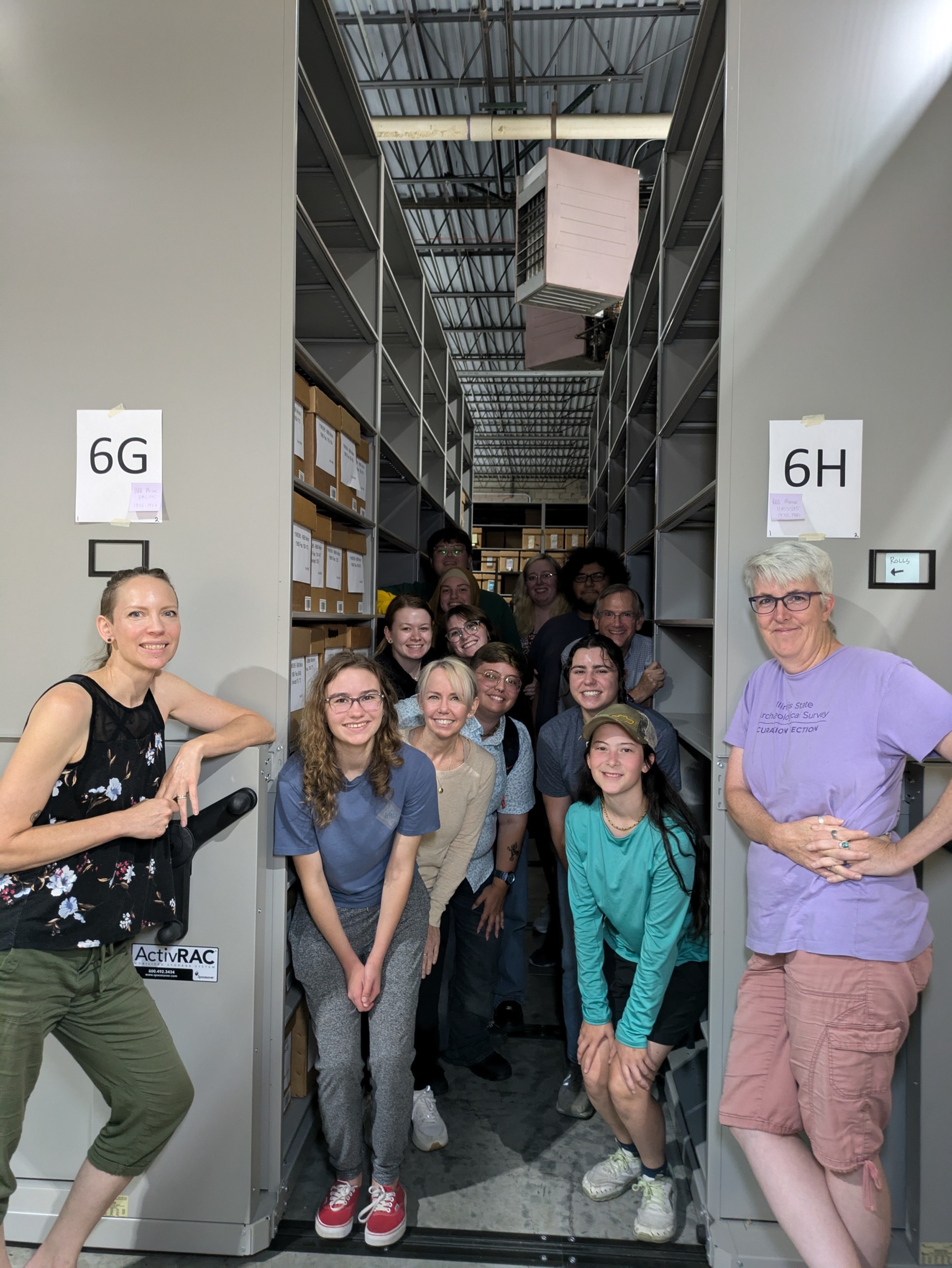
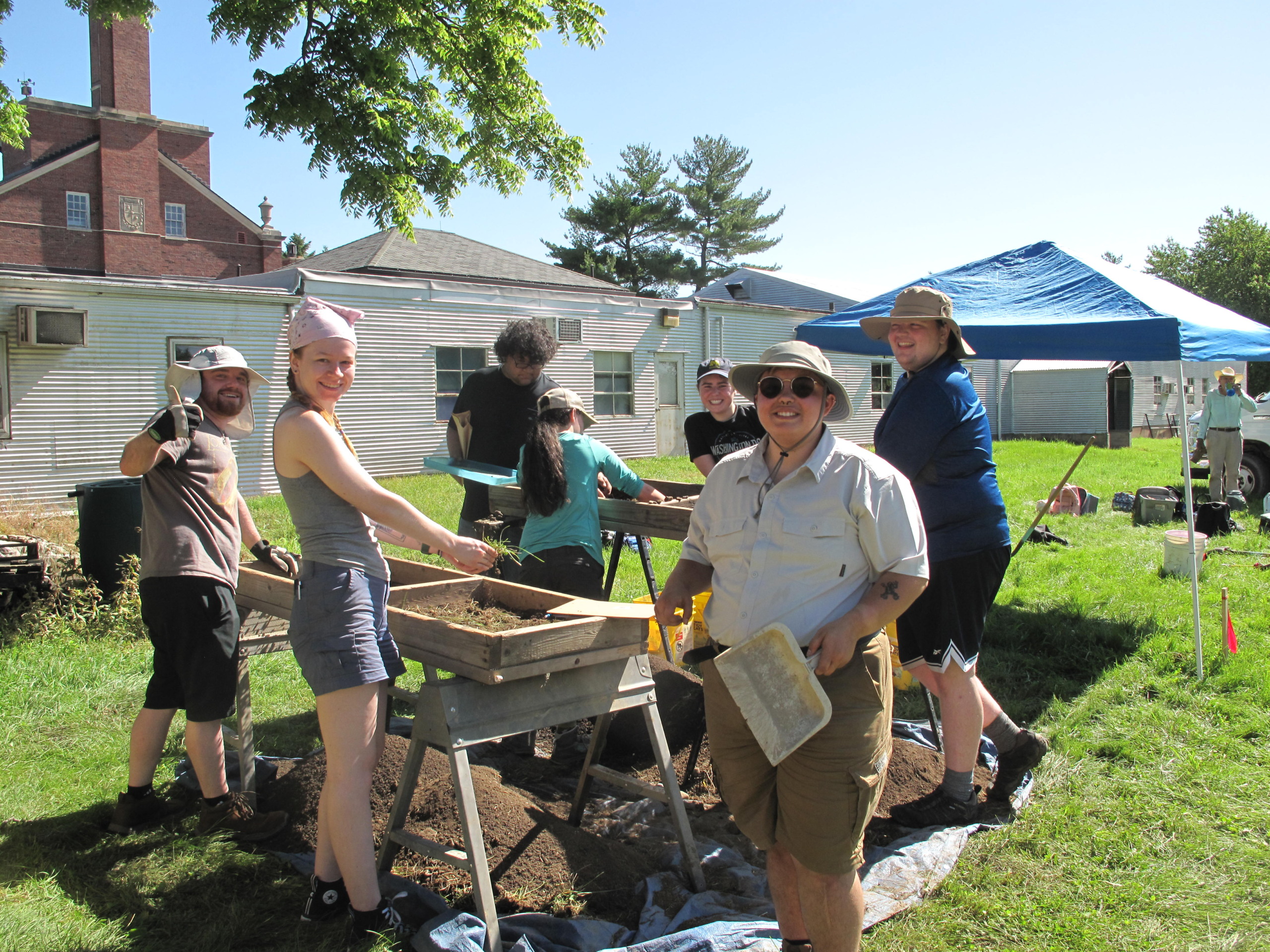
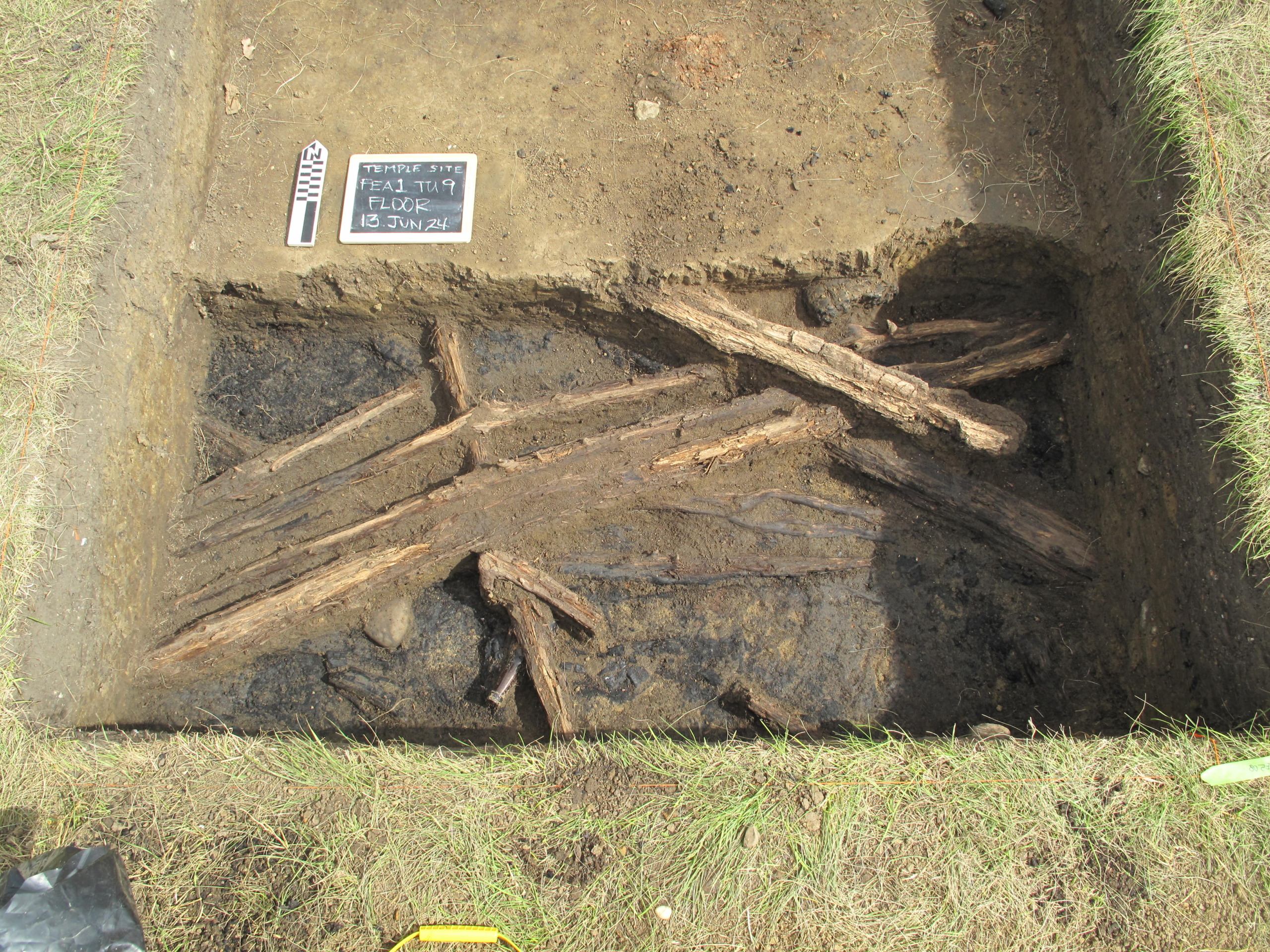
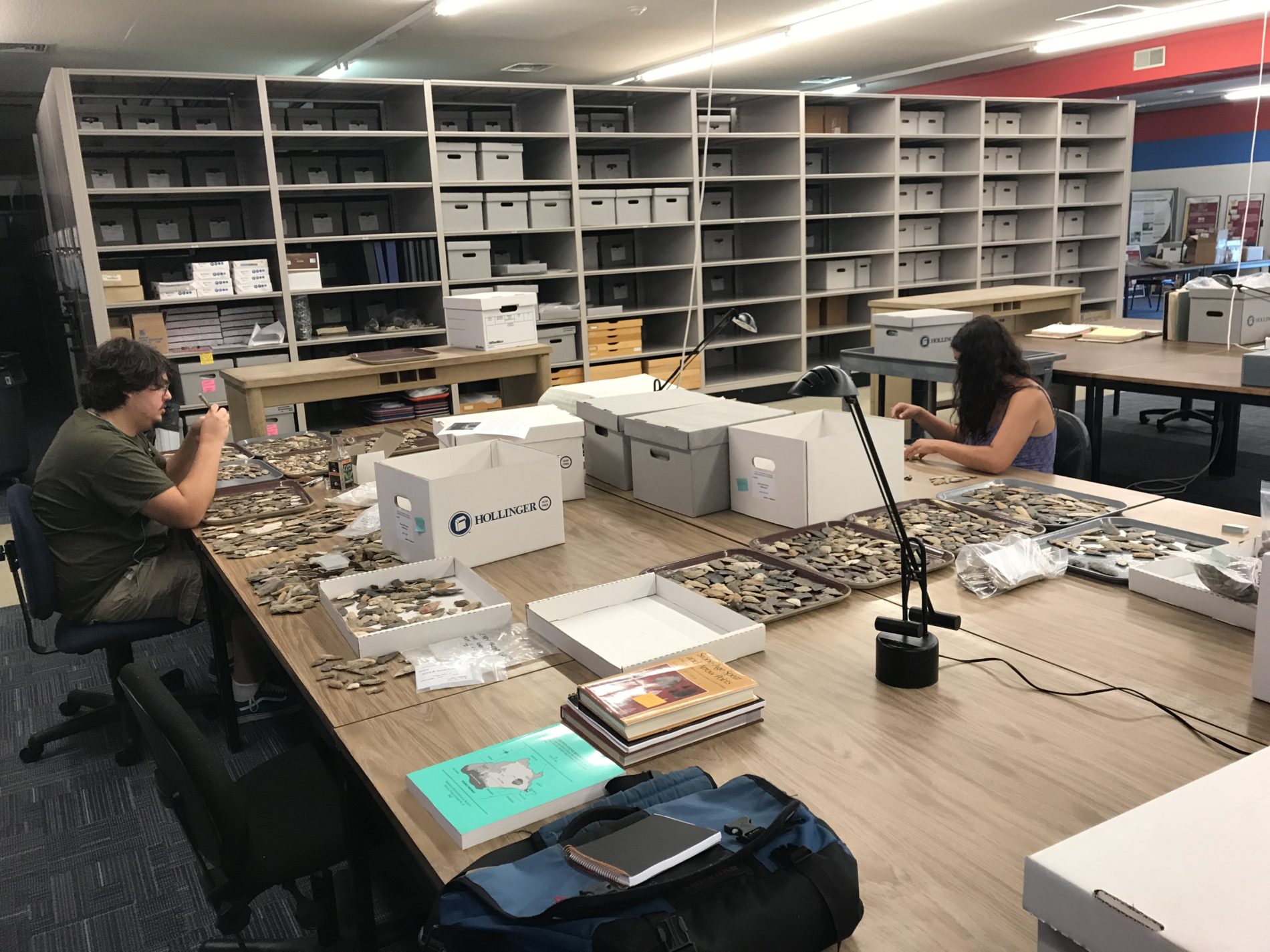
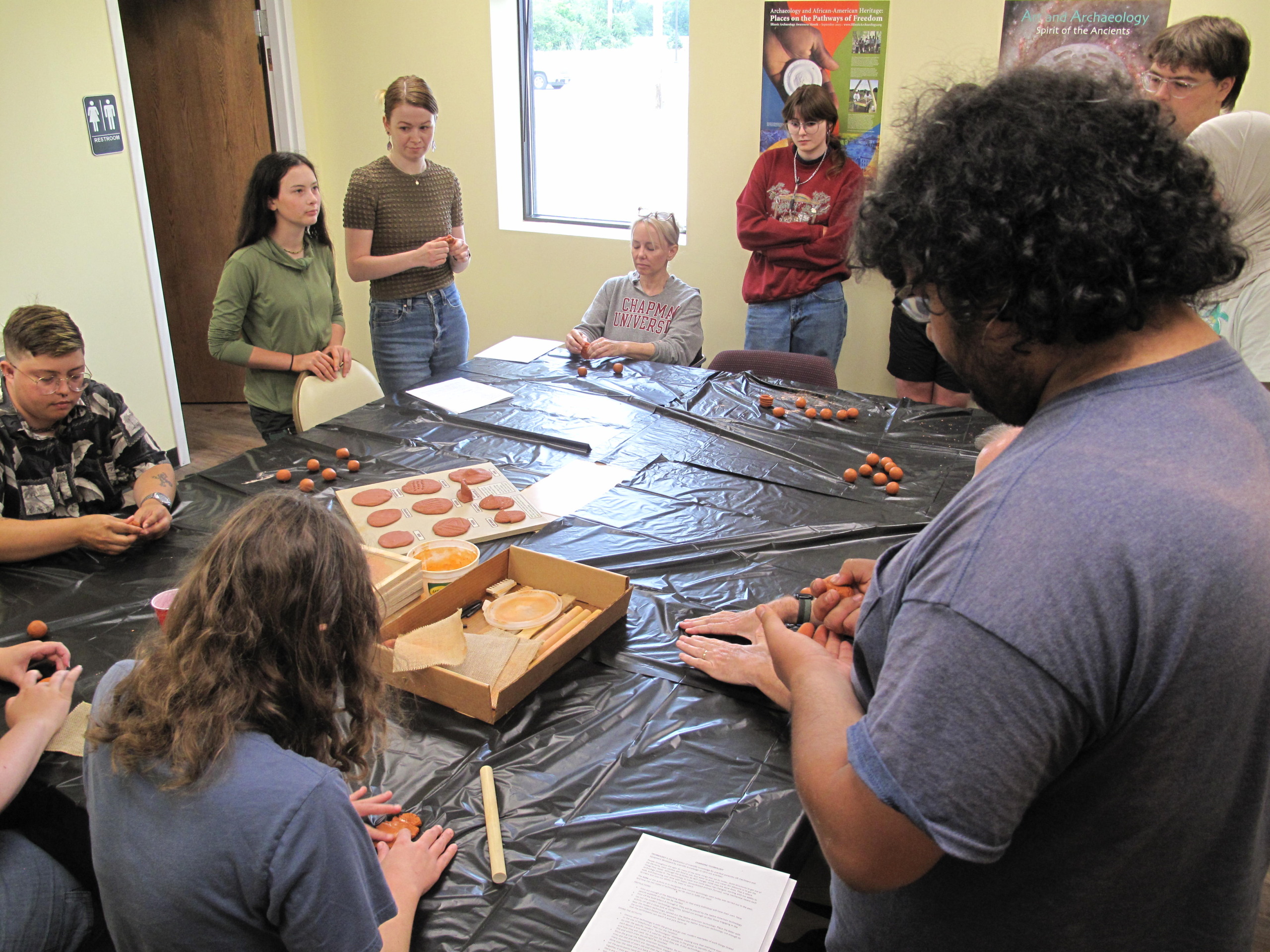
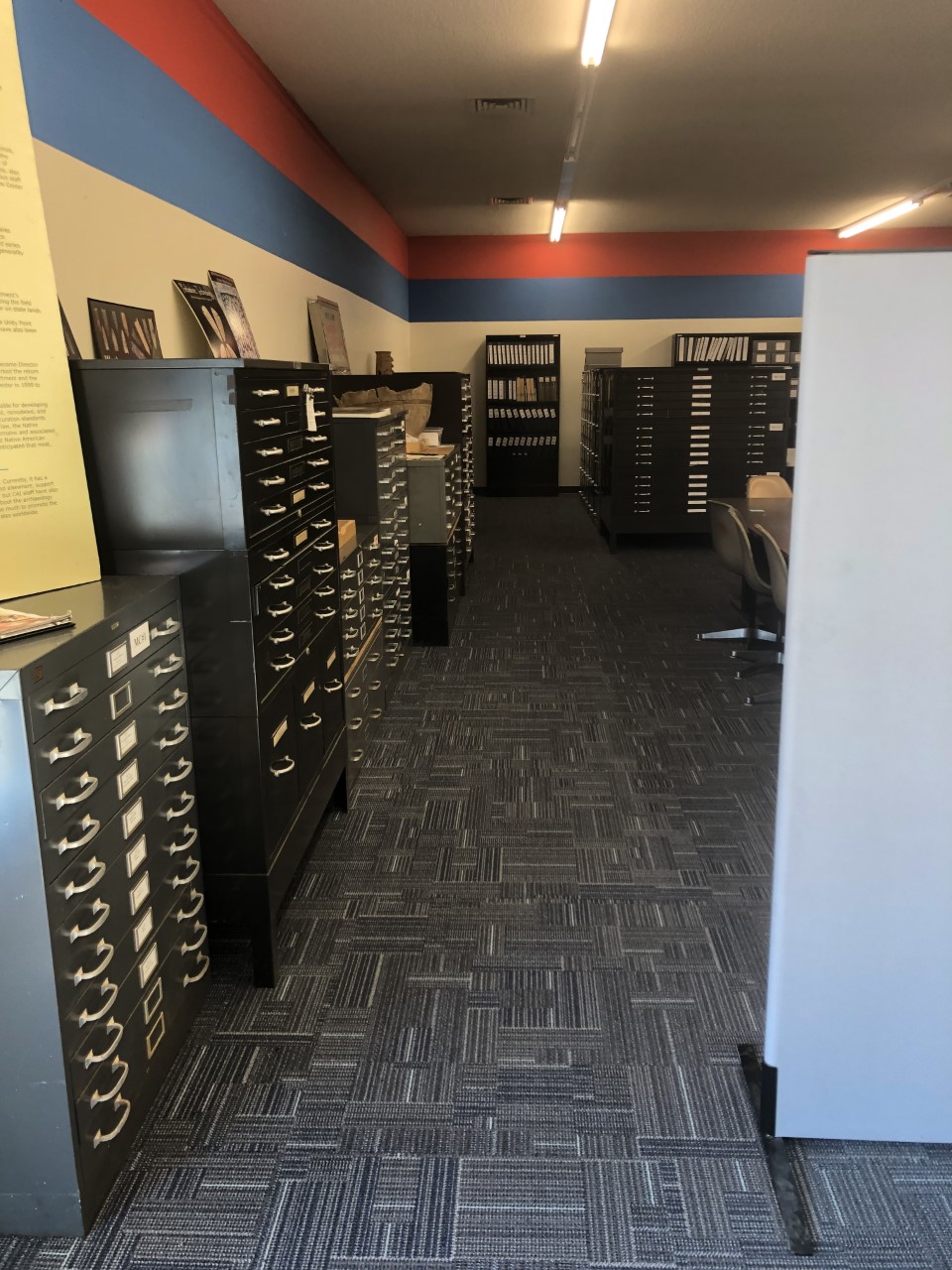
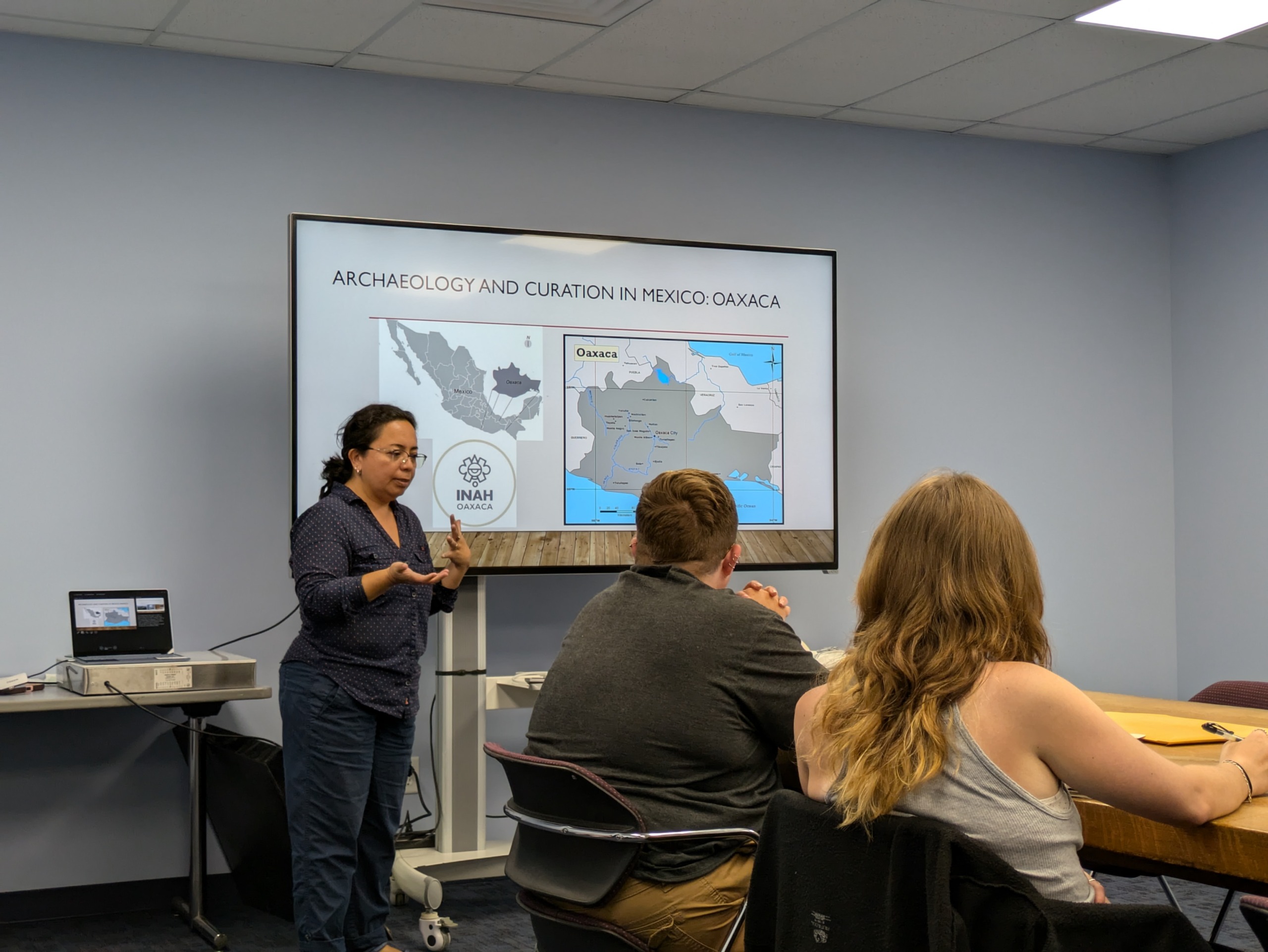
This RPA-certified field school offers the rare opportunity to gain both excavation and curation experience in a single program, giving you a full-circle perspective on archaeological collections. You’ll begin with two weeks of excavations at a late pre-contact Mississippian site near Bloomington-Normal, then transition to the Illinois State Archaeological Survey in Champaign-Urbana, home to one of the largest archaeological collections in the Midwest. Working directly with materials that span the entirety of human occupation in Illinois, you’ll develop excavation skills, learn best practices in curation and preservation, and explore how collections are made accessible for outreach, education, research, and stakeholder communities.
Field school highlights:
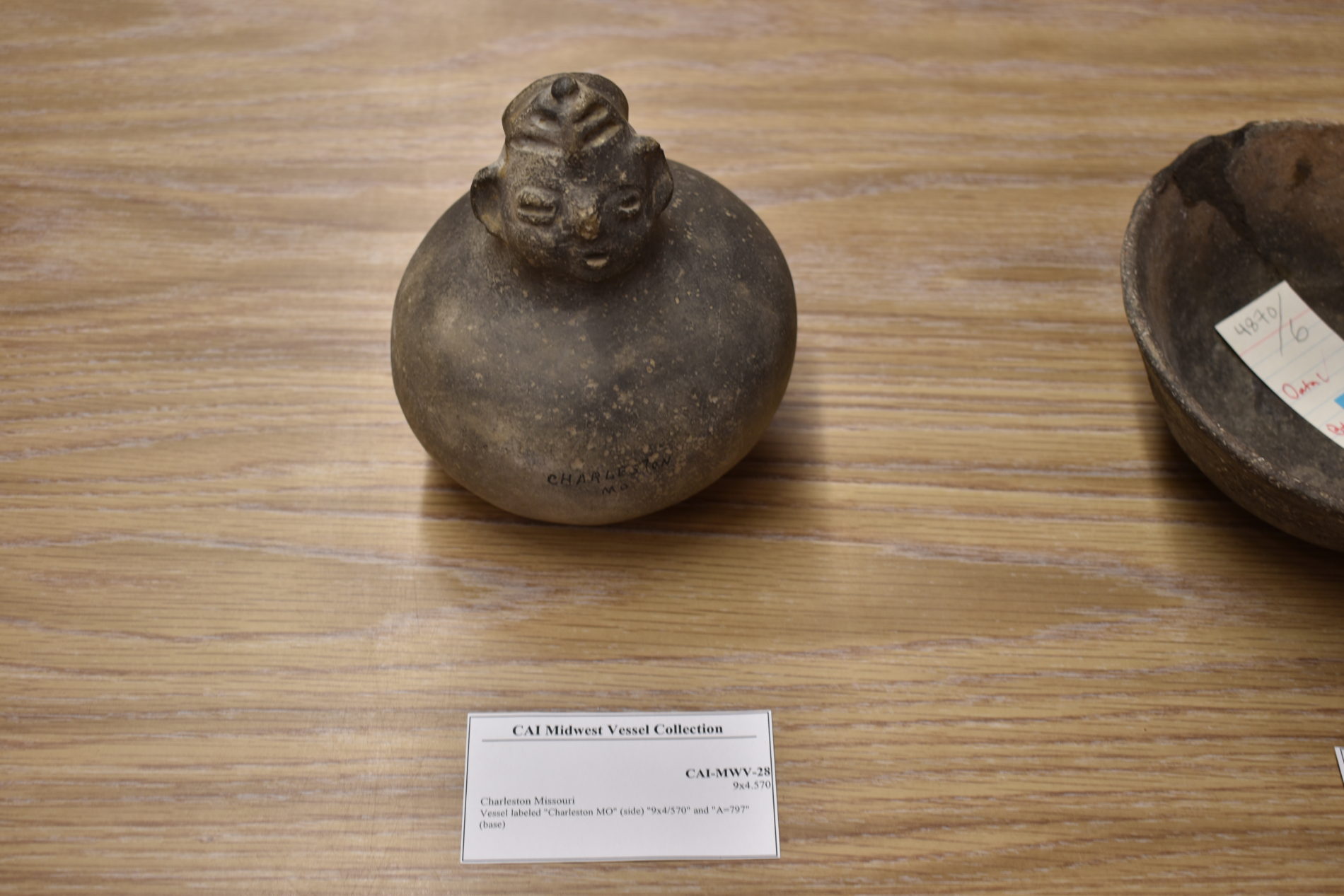
- Excavate at a pre-contact archaeological site and work hands-on with artifacts, including materials from some of the earliest archaeological investigations in North America!
- Build a transferable skillset for a career in curation, museums, collections, archives, and/or field archaeology.
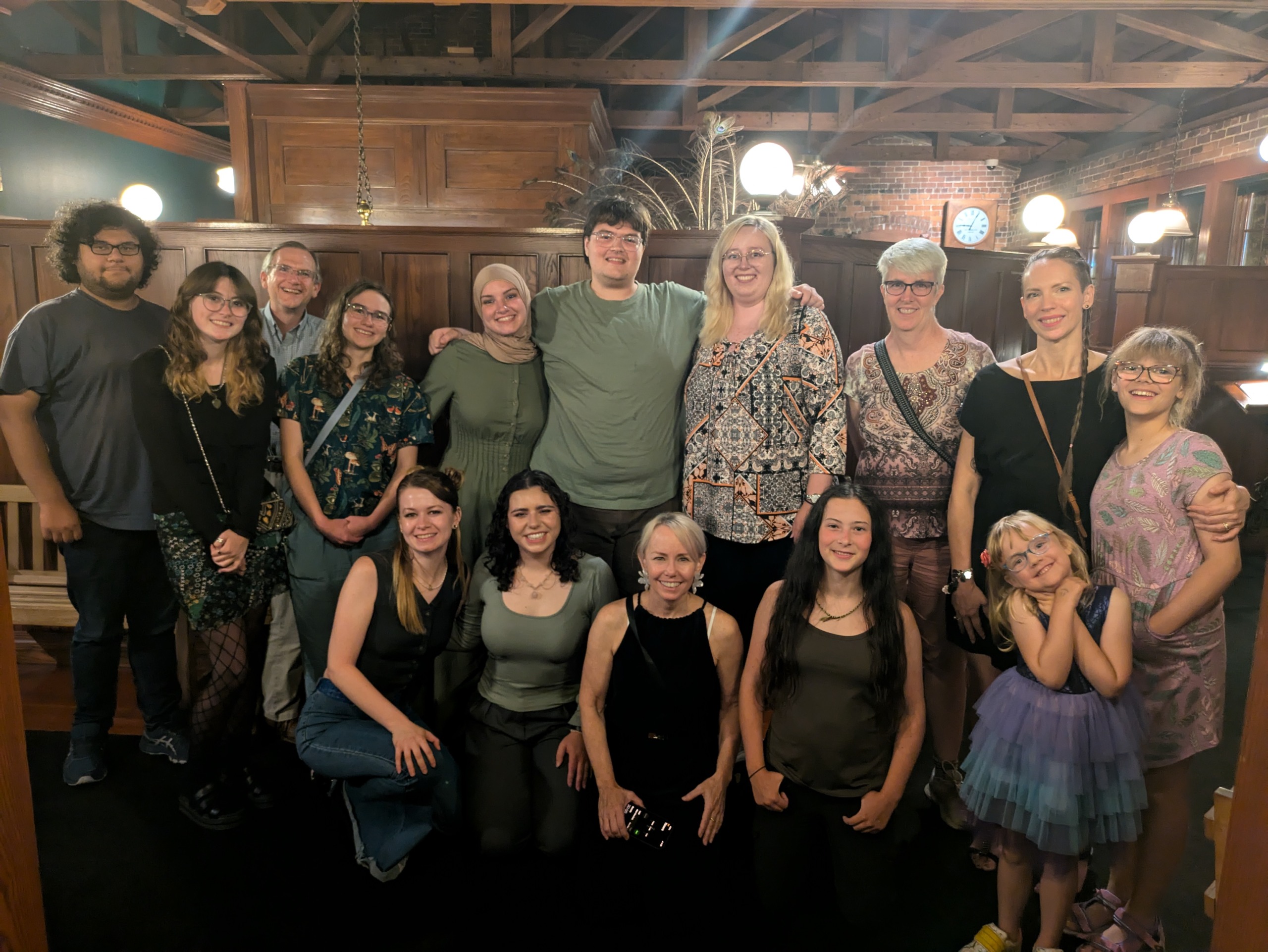
- Enrich your experience with field trips to museums and repositories, as well as guest lectures from area experts.
- As an RPA-certified field school, participating students may be nominated for an RPA scholarship of $1,000 towards this program.

| Course Details | |
|---|---|
| Course Dates | June 1 – July 11, 2026 |
| Course Type | Curation, Collections Management, CRM, Prehistoric |
| Instructors | Dr. Tamira K. Brennan & Dr. M. Teresa Palomares Rodriguez |
| Credits* | 8 semester (12 quarter) |
| Apply By | April 1 |
| Fees Due By | April 15 |
| Program Fees | (2026) |
|---|---|
| Tuition | $3,875 |
| Transcript Fee* | $350 |
| Health & Evacuation Insurance | N/A |
| Room & Board | $2,500 |
| TOTAL: | $6,725 |
*Please email admissions@ifrglobal.org for any application issues.
Applications accepted on a rolling basis until program fills or final deadline passes.
Instructors
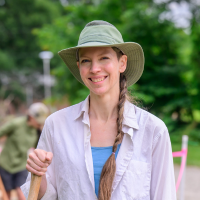
The directors welcome emails and inquiries about the research elements of this project. More general information (tuition, health insurance, and payment schedule) can be found under the ‘Students’ tab above. Any further questions may be addressed to IFR staff. Additional details about research, course schedule, travel, accommodation, and safety can be found on the syllabus. Contacting the directors or the IFR office is encouraged and appreciated. It may help you determine if this field school is a good fit for you.

Testimonials
This is a new IFR field school. No student testimonials are available at this time.
Payment & Student Fees
Application Fee: There is a $45 fee to submit an online application.
Deposit Payment: A nonrefundable $500 deposit is due within 3 weeks of program acceptance in order to secure your place. The remainder of your program fees are due by the deadline indicated under “Course Details”.
*Transcript Fee & Academic Credit Opt Out: If you wish to participate in an IFR field school without earning academic credits, you will not be charged a transcript fee.
For more information about payment, fees, and policies, please see details under our Payment & Finances and Withdrawal and Cancellation Policy pages.
Accommodations
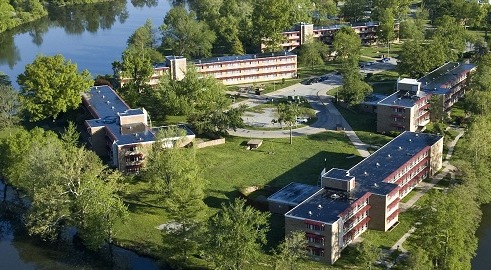
Students will have private bedrooms in a 2-bedroom apartment setting with a shared kitchen, living room, bathroom. Furniture and linens for the beds will be provided, as will all dishes/cook wares, and cleaning supplies. Wi-fi is available, and the housing is near community bus lines
Meals: Dinners will be a combination of meals cooked by students in teams of 2 or 3 on a rotating basis on most class nights, a weekly meal out at a local establishment, and whatever the students choose to arrange for non-class nights. All meals will minimally include a protein and fruit/vegetable. Students will pack their own lunch to bring to class each day. Refrigerators are present at student housing, but not at the class site, so plan to bring a lunch box with cooler packs, if necessary. Groceries for lunch and dinner for the entire week will be provided at the project’s expense. Students should plan on providing their own breakfast foods. The project van will make weekly trips to the grocery store so that students can acquire groceries for both.
Vegetarian and lactose-free diets can be easily accommodated, as can many food allergies. The project will do its best to accommodate other dietary needs within reason. Very specialized diets should be discussed with the PI prior to the start of the project to determine the ability to accommodate and make alternate meal plans, if necessary. Some specialized dietary products do not fall within the project budget, so it is important to discuss those needs before the start of field school with your director.
Students are required to clean their personal and shared spaces on a regular schedule. In addition to cooking teams, each night there will be a separate cleaning team to do dishes and clean up the kitchen after meals. All kitchen surfaces should be cleaned with disinfectant prior to and after preparing food. Masks and gloves will be provided for food prep, and a food-safety orientation will be provided before the first cooking session.
Laundry facilities are likely to be on-site and free of charge. If this is not the case, the project will arrange a weekly trip to the local laundromat.
Travel Info
Natural disasters, political changes, weather conditions and various other factors may force the cancellation or alteration of a field school. IFR recommends students only purchase airline tickets that are fully refundable and consider travel insurance in case a program or travel plans must change for any reason.
General information for this program is below, but keep in mind we will discuss any updated travel information and regulations during the required program orientation, which could affect travel plans.
You can choose to fly, drive, or take the train to this program. A specific arrival time and meet-up location will be provided closer to the program start date, which is typically in the afternoon in Urbana, Illinois.
> If you fly, plan to arrive at the Indianapolis airport by early afternoon. A shuttle will be arranged for a specific meeting time; in previous years, the shuttle arrived at 2pm, so use that as a guide.
> If you drive, you can meet directly at the specified location, but be aware that you may have to pay additional fees to park at the student housing.
> If you take an Amtrak train, you will likely arrive in Champaign and can then travel via city bus to the meet-up location.
If you miss your connection or your flight is delayed, please call, text, or email project director immediately. A local emergency cell phone number will be provided to all enrolled students.