

Returning Program! Summer 27 details will be updated as they are finalized.
Overview
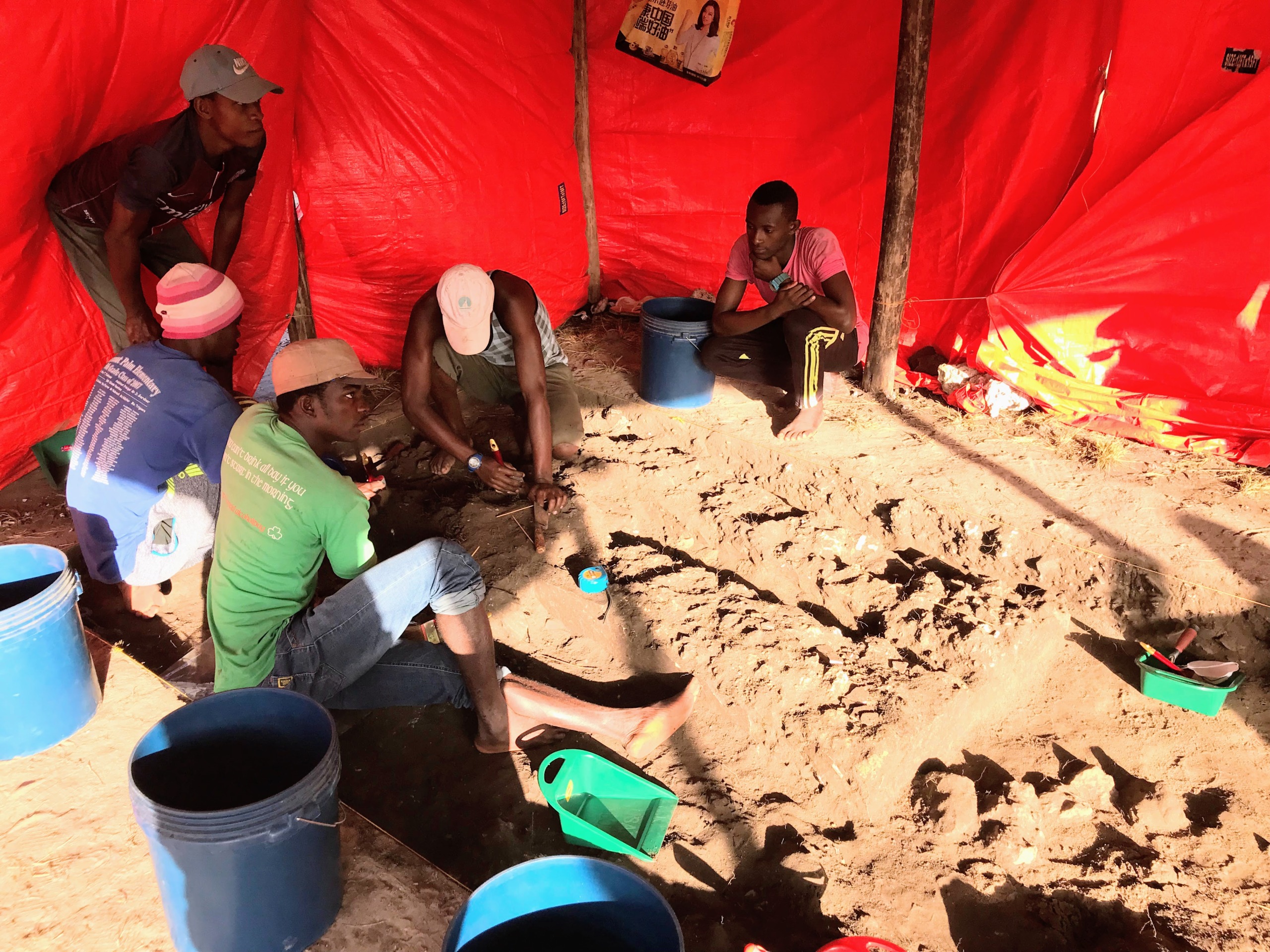
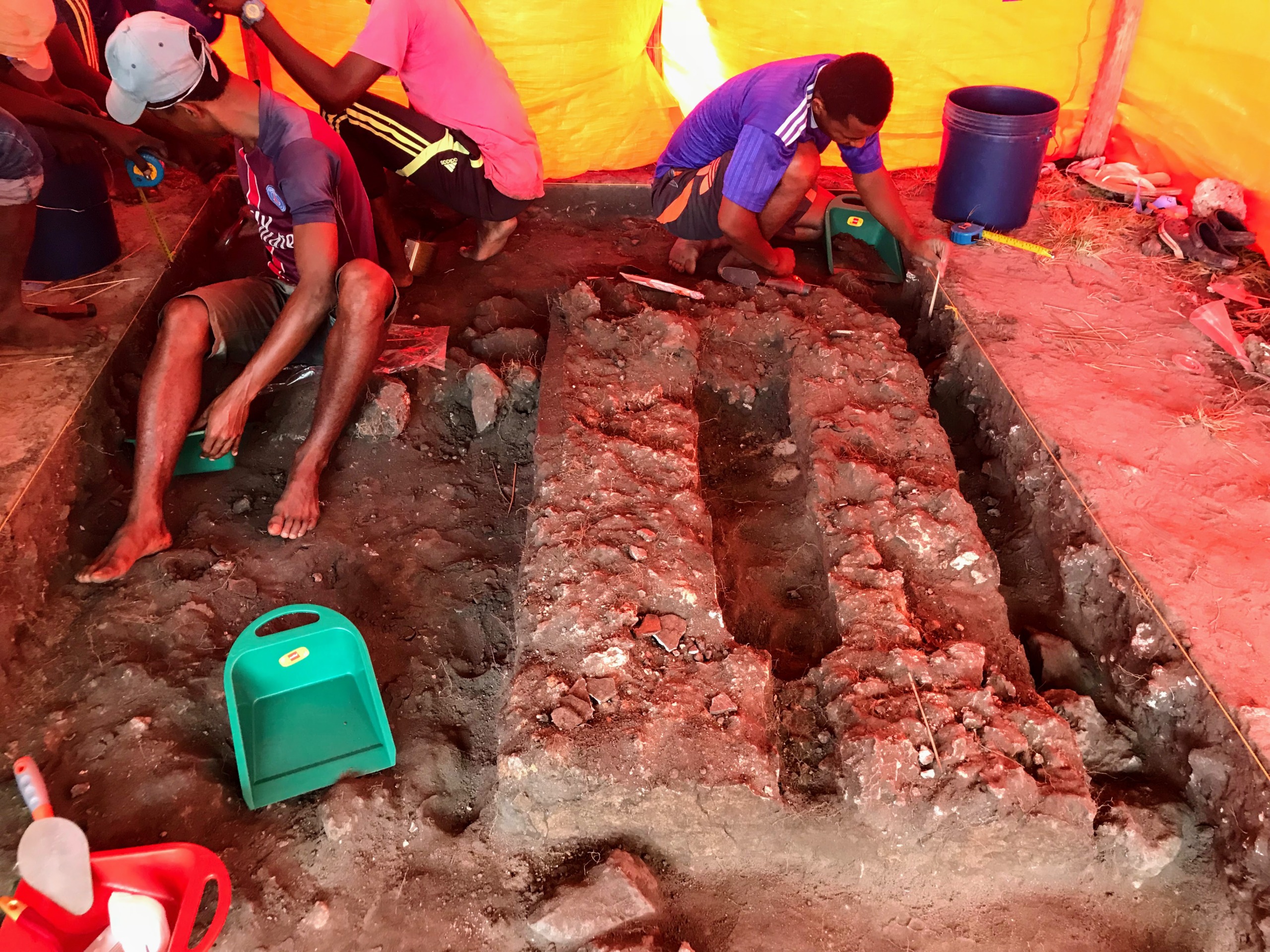
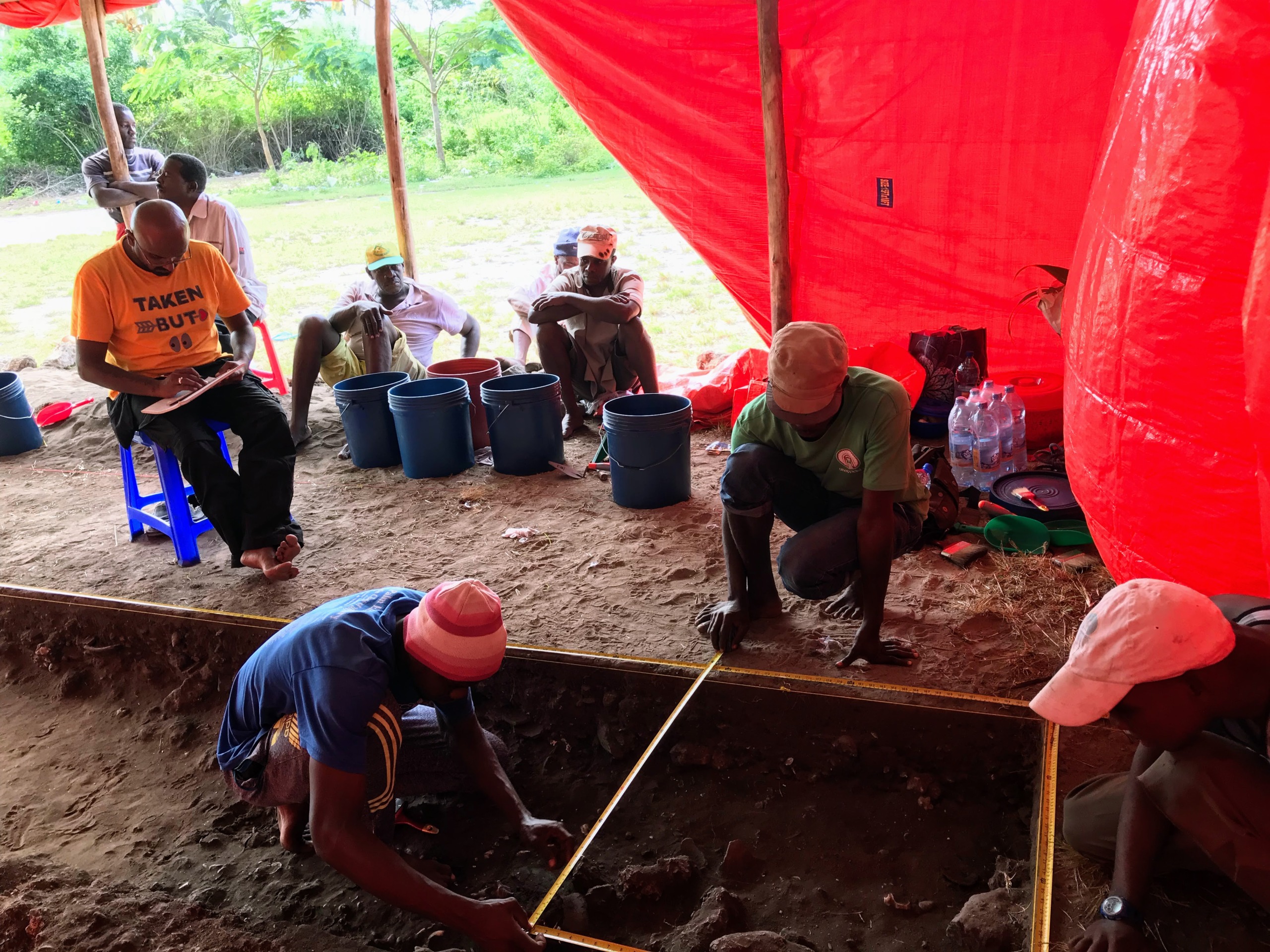
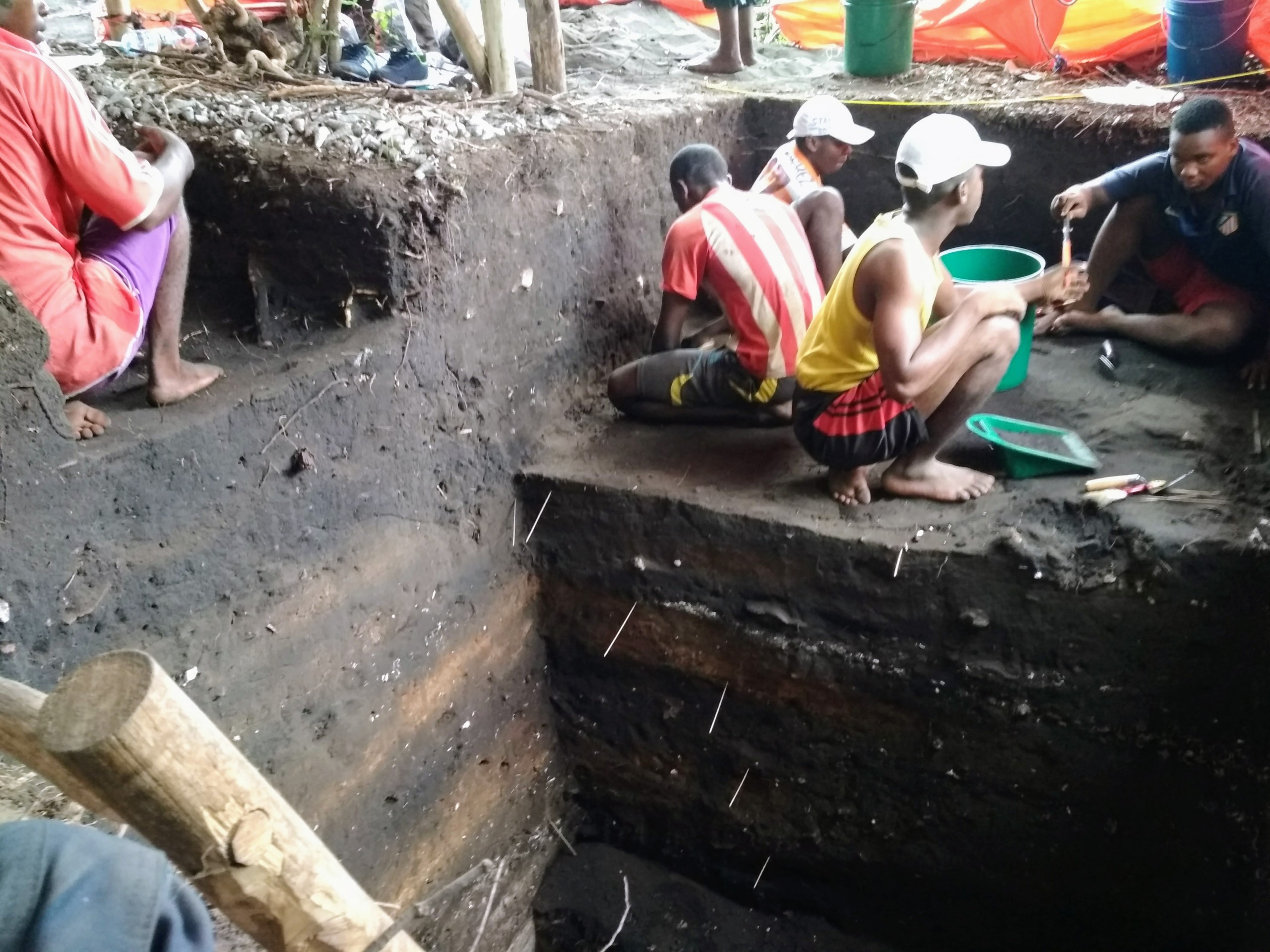
Help uncover a different side of Swahili history through the first archaeological project of its kind on Tanzania’s Zanzibar Island. While most research on the East African coast has focused on grand “stone towns” built by Muslim elites around 1000 CE, this field school shifts the lens to the cave-dwelling and forager communities who lived in the surrounding landscapes. Using archaeological and anthropological field methods, you’ll explore how these communities lived, worked, and interacted with the nearby urban centers. Excavations at Zanzibar’s coastal cave sites hold evidence of thousands of years of human activity, providing an unparalleled opportunity to study long-term human-environmental interaction and a chance to expand the understanding of Swahili society beyond the city walls.
This community-based archaeology field school blends excavation and ethnography into a single, immersive experience. You’ll get to engage directly with Zanzibari communities who still use these caves to this day, giving you a fuller picture of how heritage, identity, and memory continue to shape the Swahili coast. Together, these experiences offer a rare opportunity to connect the deep past with living heritage in a setting as fascinating as it is breathtaking.
Field school highlights:
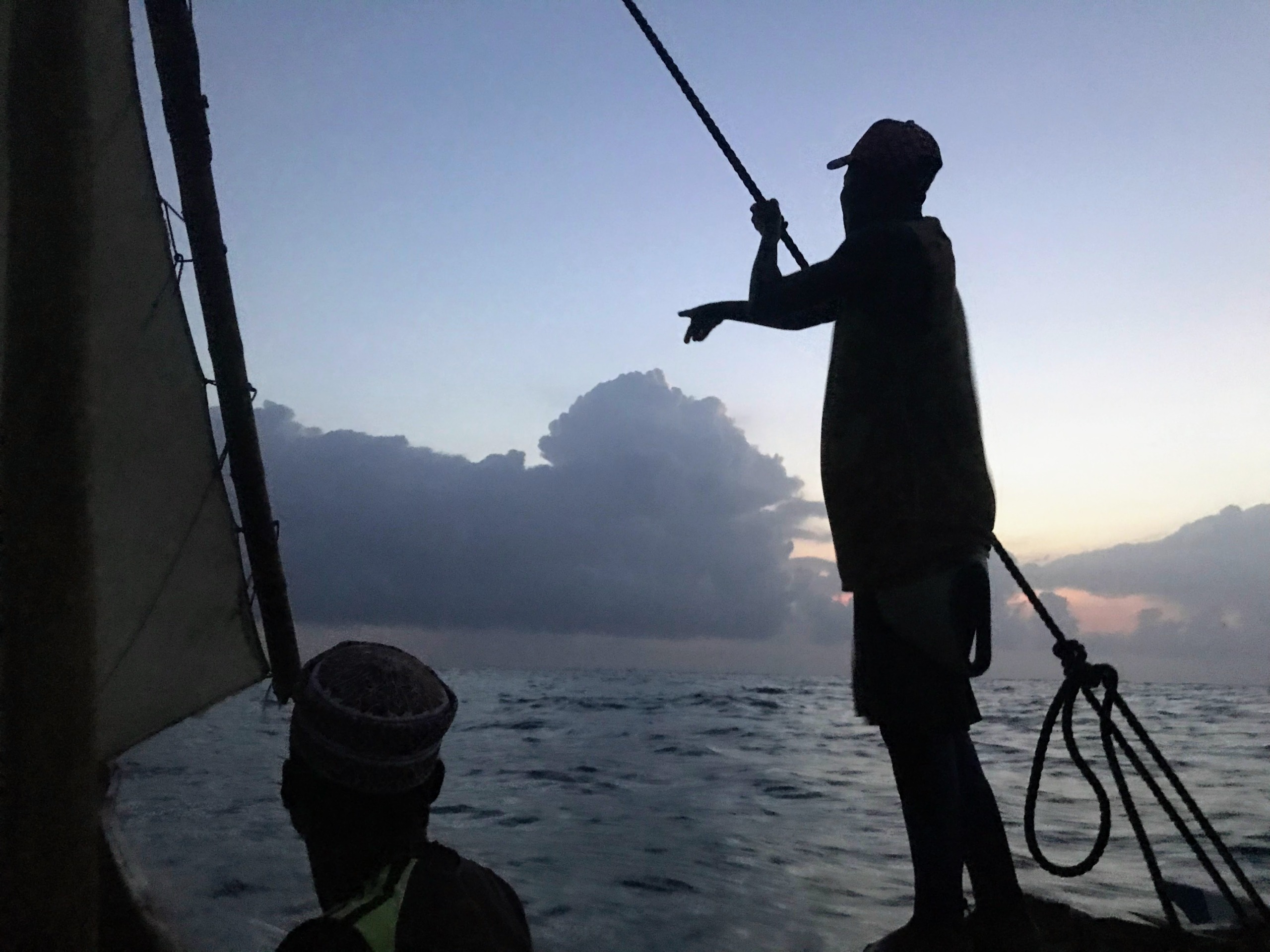
- Explore how Zanzibar’s cave-dwelling communities engaged with nearby stone towns, Indian Ocean Trade networks, and the dynamic environment around them.
- Gain hands-on training in excavation, stratigraphic recording, artifact processing, ethnographic field methods and more.
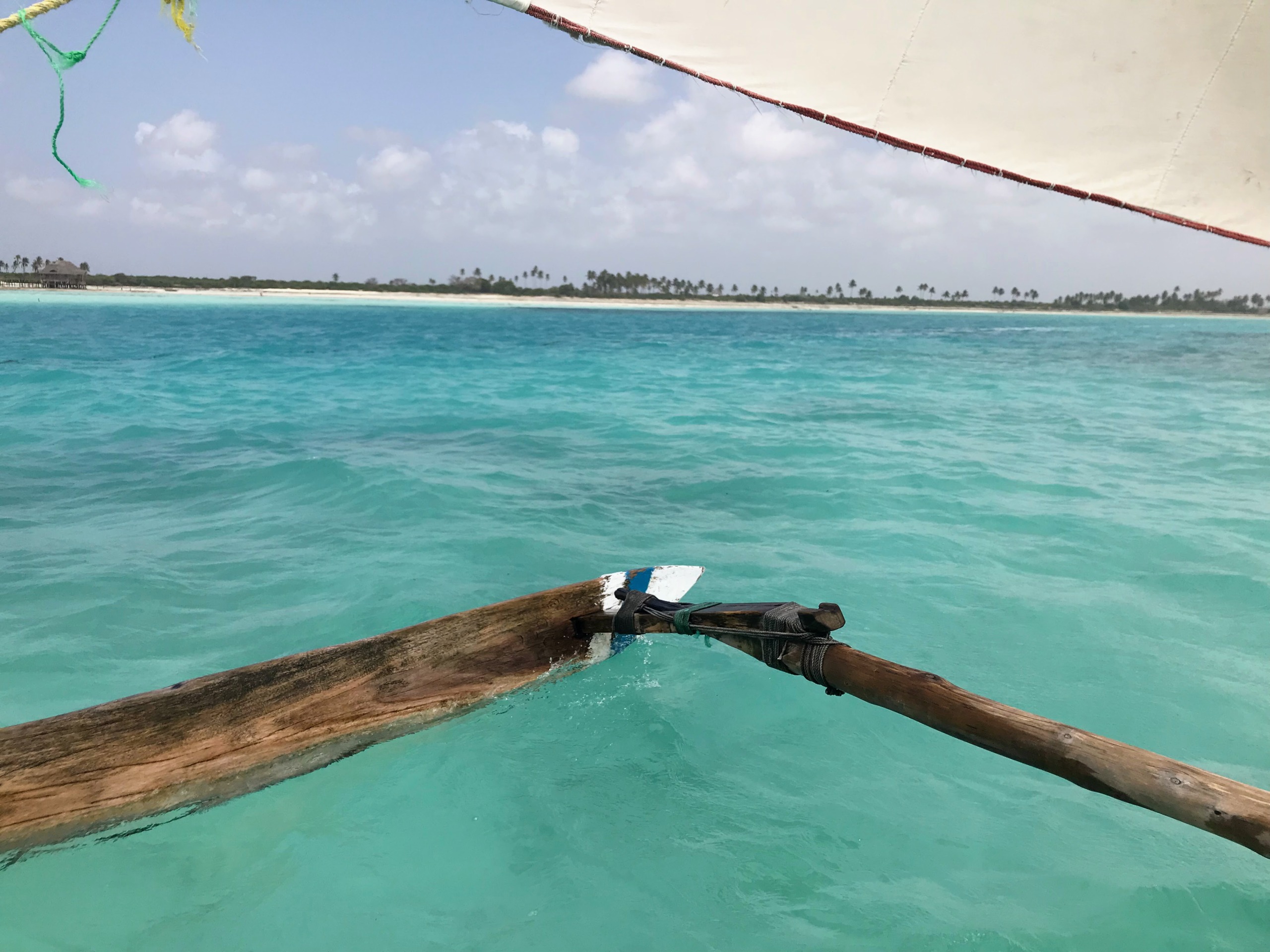
- Experience Zanzibari culture and its vibrant traditions- explore Stone Town, celebrate the Mwaka Kogwa festival, or even snorkel the island’s colorful coral reefs in your free time.

| Course Details | |
|---|---|
| Course Dates | June 5 – July 5, 2027 |
| Course Type | Field, Community, and Environmental archaeology |
| Instructors | Dr. Akshay Sarathi |
| Credits* | 8 semester (12 quarter) |
| Early Deadline | December 1 |
| Fees Due By | April 15 |
| Program Fees | (2026) |
|---|---|
| Tuition | $5,725 |
| Transcript Fee* | $350 |
| Health & Evacuation Insurance | $135 |
| Room & Board | $945 |
| TOTAL: | $7,155 |
Applications accepted on a rolling basis until program fills or final deadline passes.
*Please email admissions@ifrglobal.org for any application issues.
Instructors
The directors welcome emails and inquiries about the research elements of this project. More general information (tuition, health insurance, and payment schedule) can be found under the ‘Students’ tab above. Any further questions may be addressed to IFR staff. Additional details about research, course schedule, travel, accommodation, and safety can be found on the syllabus. Contacting the directors or the IFR office is encouraged and appreciated. It may help you determine if this field school is a good fit for you.

Payment & Student Fees
Application Fee: There is a $45 fee to submit an online application.
Deposit Payment: A nonrefundable $500 deposit is due within 3 weeks of program acceptance in order to secure your place. The remainder of your program fees are due by the deadline indicated under “Course Details”.
*Transcript Fee & Academic Credit Opt Out: If you wish to participate in an IFR field school without earning academic credits, you will not be charged a transcript fee.
For more information about payment, fees, and policies, please see details under our Payment & Finances and Withdrawal and Cancellation Policy pages.
Accommodations
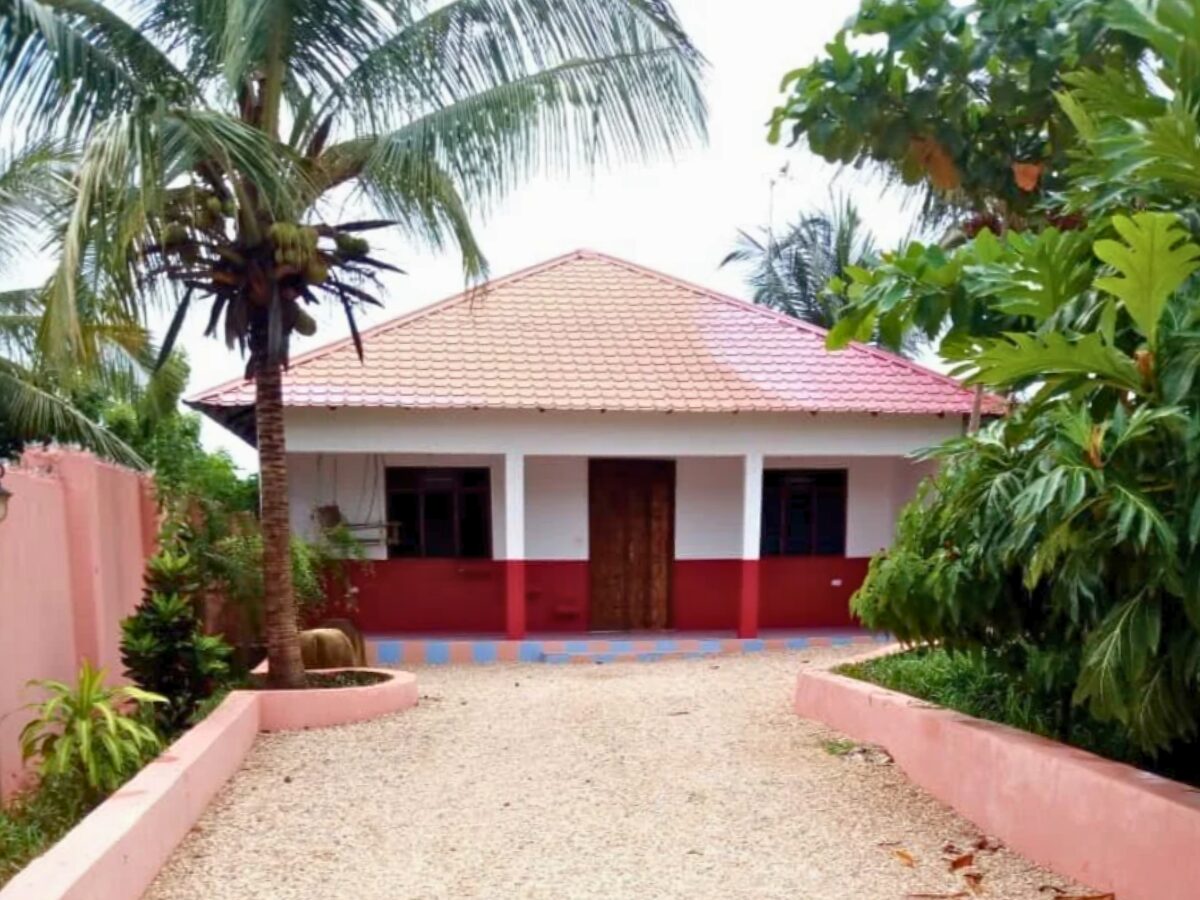
Students will stay in a field research station located in the fishing village of Mfumbwi, just a 7-minute walk from the island’s white-sand beaches.
The facility includes shared bedrooms with simple sleeping arragements such as cots or sleeping bags, shared bathrooms, a study, a large kitchen, a lab workspace, dining area, and a living room arranged in traditional Swahili baraza style. Wifi is available for basic communication, and electricity is provided through the local grid, with occasional short outages typical for the area.
Meals: Meals are prepared by a local cook using fresh ingredients from nearby markets and fishers. This program can accommodate vegetarian and vegan dietary preferences.

Travel Info
Natural disasters, political changes, weather conditions and various other factors may force the cancellation or alteration of a field school. IFR recommends students only purchase airline tickets that are fully refundable and consider travel insurance in case a program or travel plans must change for any reason.
General information for this program is below, but keep in mind we will discuss any updated travel information and regulations during the required program orientation, which could affect travel plans.
Program staff will meet you at the main airport in Zanzibar (ZNZ) on the arrival day. Consider travel time, transfers, and time difference when booking travel to assure your arrival date and time.
If you miss your connection or your flight is delayed, please call, text or email the field school director immediately. A local emergency mobile phone number will be provided to all enrolled students.
VISA REQUIREMENTS
You will be required to have a research visa for this program. You can plan to apply for your research visa upon arrival to Zanzibar based on guidance from IFR and your program. See Program Information for more details.