
Program Information
This program offers students the option to be on-site in Ireland for 5 weeks or 3 weeks. Both options include online work to be completed in the spring, after program acceptance and before arrival abroad (Feb-May). Course dates refer to the dates on-site in Ireland, with Session 1 (S1) lasting 5 weeks and Session 2 (S2) lasting 3 weeks.
Overview
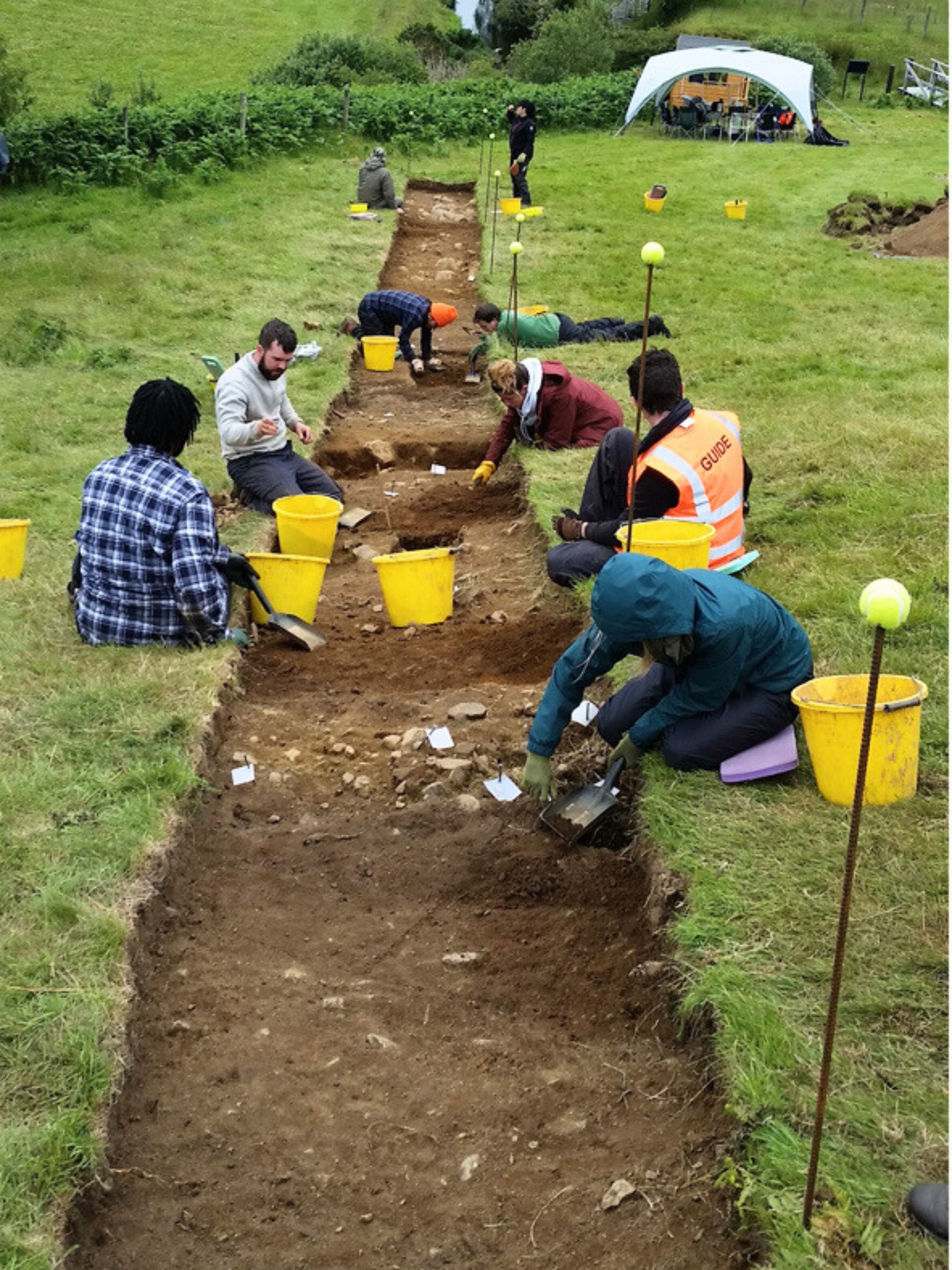
Join Irish students and enthusiastic community-members on the excavation of The Green Fort, a star-shaped military fort likely constructed in 1599 on the site of an early medieval ringfort and overlooking Sligo Town in northwest Ireland. Your research will help answer questions about the monument to discover its origin, military history, and other uses by its inhabitants, focusing on the everyday lives of the soldiers stationed there. You’ll contribute to the future preservation, protection, and presentation of this monument to the local community and visitors. Delve deeper into Irish archaeology, culture, society, and hospitality through field trips and evening activities, sure to leave a lifelong impression on you.
Field school highlights:
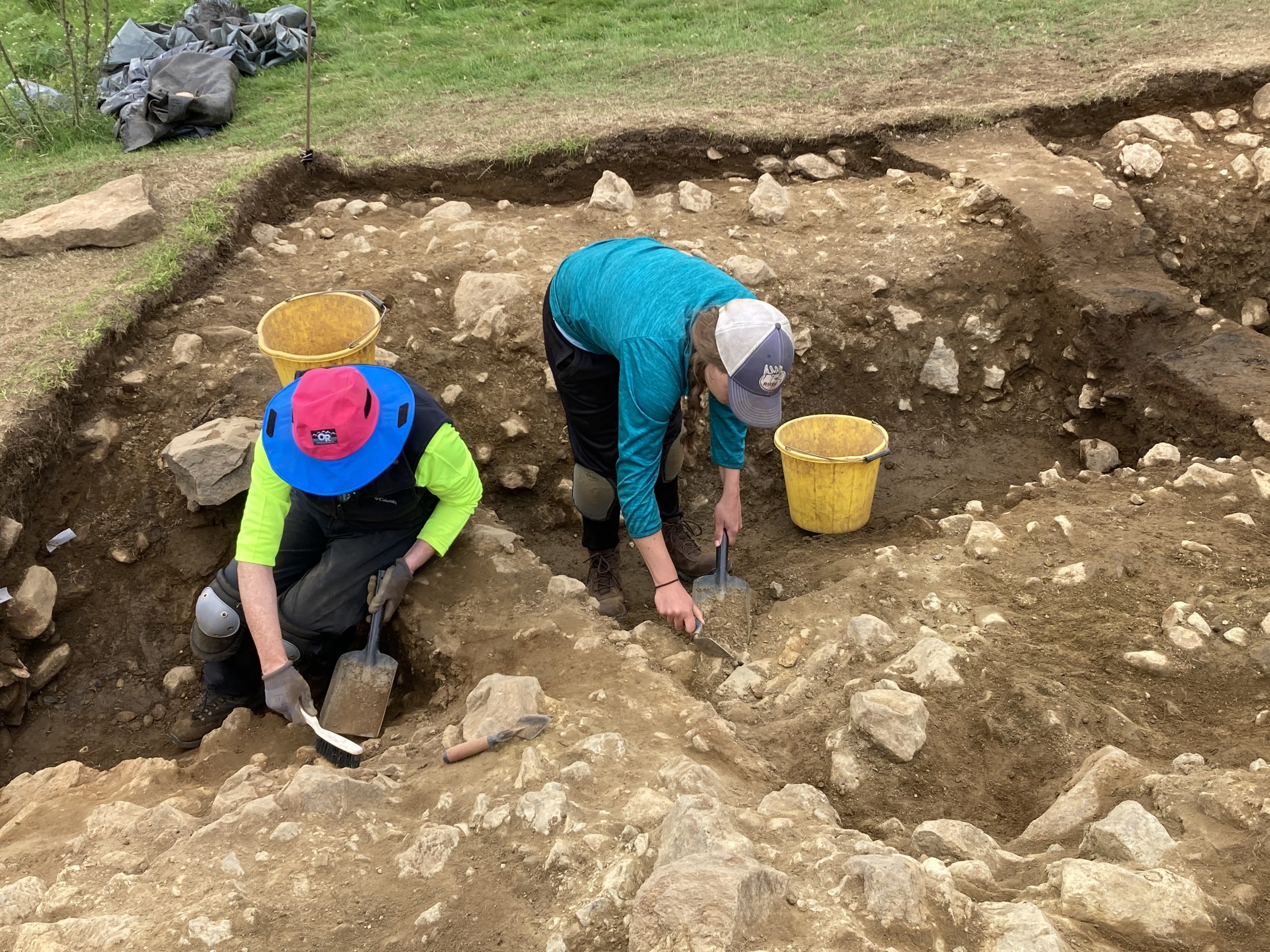
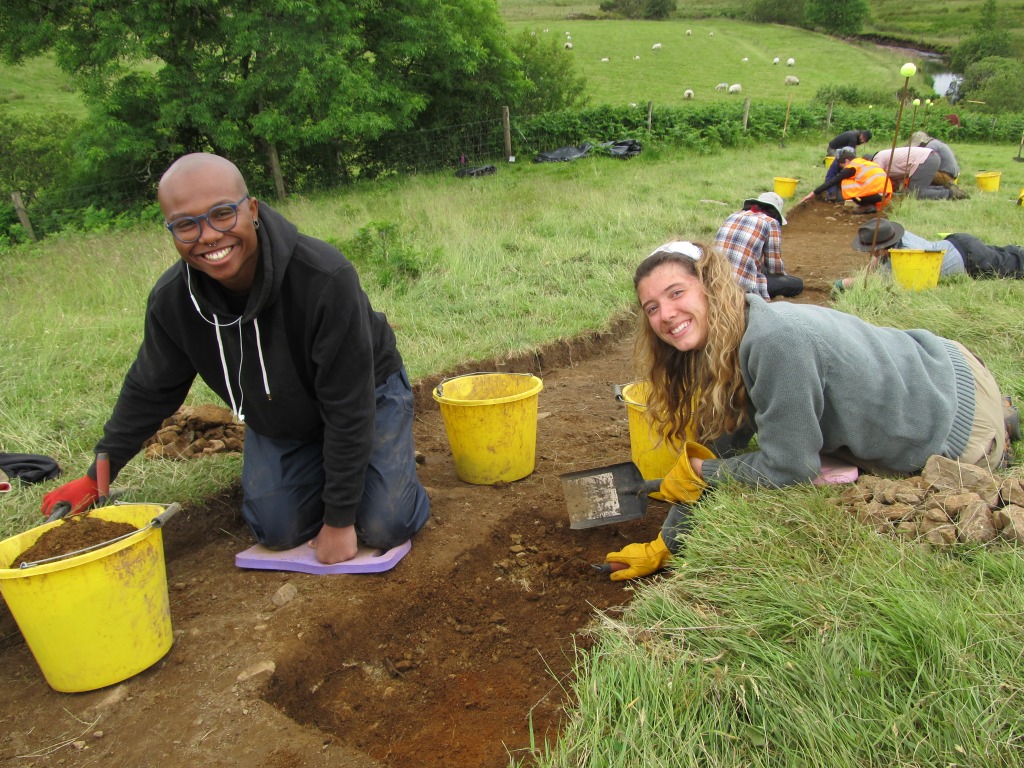
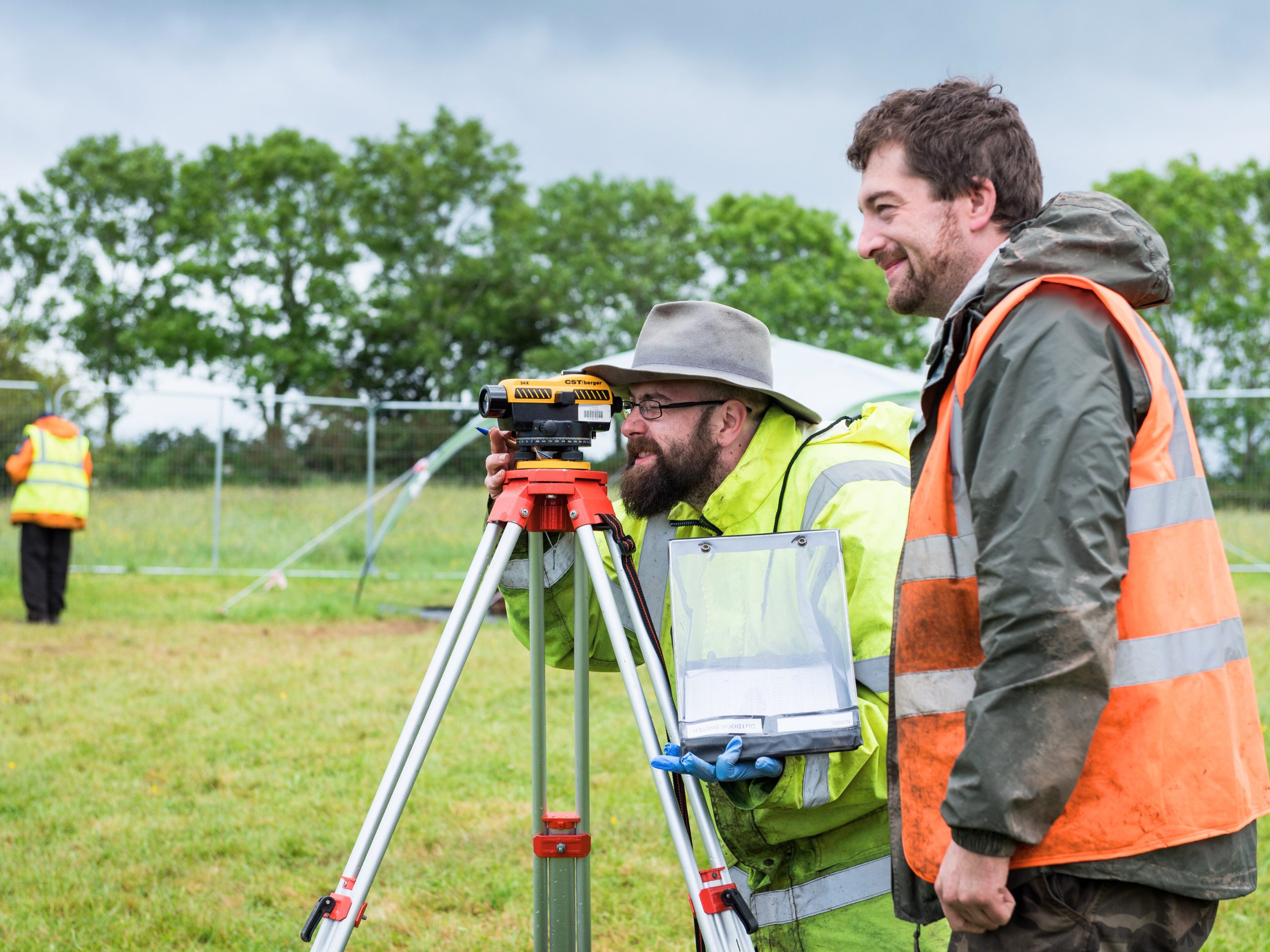
- Contribute to the dig as you help excavate, sieve, collect samples, and conduct surveys using digital and manual methods, providing data that will be used for continuing excavation and official reports of this ongoing public project.
-
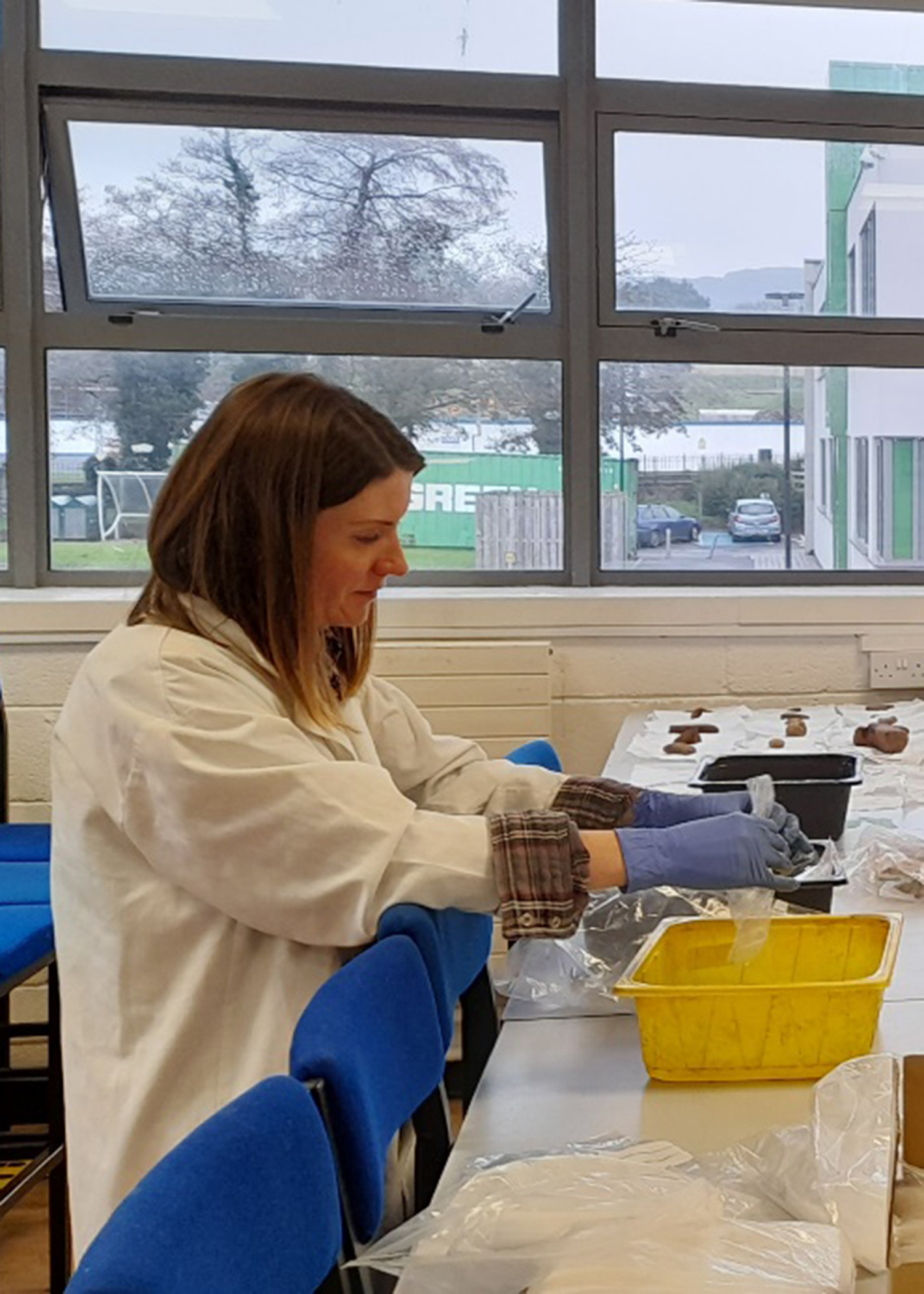
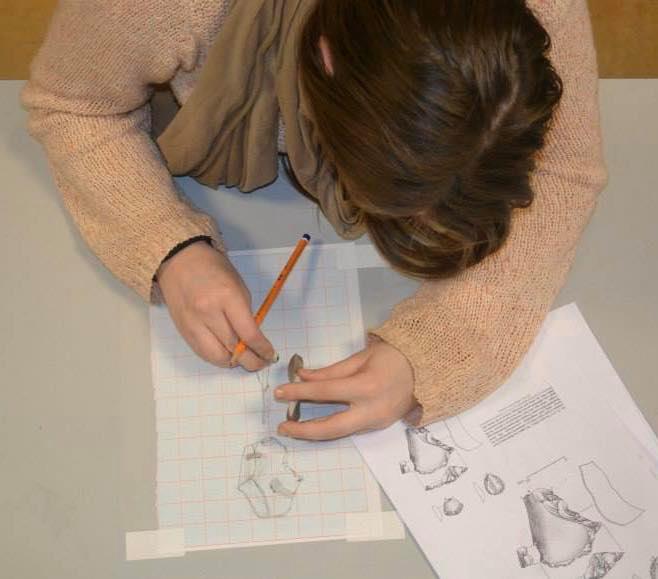
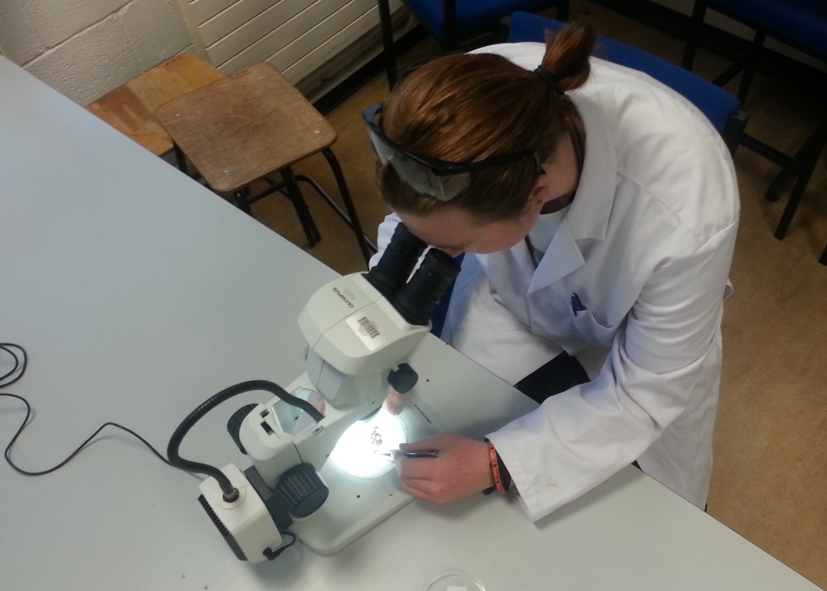
Gain experience in an archaeological laboratory processing artefacts and samples.
- Get a head start with online lectures to grasp the theoretical concepts before you arrive on-site, ready to dig in.
- Create international connections and friendships as you work closely with the community, alongside local volunteers and Irish students.
| Course Details | |
|---|---|
| Course Dates | 2 sessions in 2026 S1: May 17-June 20 S2: May 31-June 20 |
| Course Type | Archaeology |
| Instructors | Dr. Fiona Beglane, Dr. Marion Dowd, Sam Moore & Rebekka Knierim |
| Credits* | S1: 10 semester S2: 8 semester |
| Final Deadline | February 15** |
| Fees Due By | April 15 |
**This program has an earlier deadline due to host university procedures**
| Program Fees – 2026 | S1: 5 week |
|---|---|
| Tuition | $6,950 |
| Transcript Fee* | $350 |
| Health & Evacuation Insurance | $170 |
| Room (Meals not included) | $1,900 |
| TOTAL: | $9,370 |
| Program Fees – 2026 | S2: 3 week |
|---|---|
| Tuition | $5,250 |
| Transcript Fee* | $350 |
| Health & Evacuation Insurance | $100 |
| Room (Meals not included) | $1,125 |
| TOTAL: | $6,825 |
This program has passed its deadline and is closed.
Instructors
The directors welcome emails and inquiries about the research elements of this project. More general information (tuition, health insurance, and payment schedule) can be found under the ‘Students’ tab above. Any further questions may be addressed to IFR staff. Additional details about research, course schedule, travel, accommodation, and safety can be found on the syllabus. Contacting the directors or the IFR office is encouraged and appreciated. It may help you determine if this field school is a good fit for you.


complex in Co. Sligo.

Testimonials
This is a new IFR field school. No student testimonials are available at this time.
Payment & Student Fees
Application Fee: There is a $45 fee to submit an online application.
Deposit Payment: A nonrefundable $500 deposit is due within 3 weeks of program acceptance in order to secure your place. The remainder of your program fees are due by the deadline indicated under “Course Details”.
*Transcript Fee & Academic Credit Opt Out: If you wish to participate in an IFR field school without earning academic credits, you will not be charged a transcript fee.
For more information about payment, fees, and policies, please see details under our Payment & Finances and Withdrawal and Cancellation Policy pages.
Accommodations
Students will be housed in holiday homes or student accommodations in single rooms close to the University and the excavation site. There will be access to laundry facilities.
Food is not provided, however all the accommodations have fully equipped kitchens and are convenient to local stores. Students will need to prepare breakfast and evening meals within their households, and will need to prepare and bring their own packed lunch to the site daily during the excavation. For the post-excavation week, students may bring a packed lunch or use the University canteen facilities. Vegetarian, vegan, lactose-free and gluten-free meals are widely available and will be offered as necessary at communal meals. Religion-based diets such as kosher and halal meals may be difficult to accommodate in this relatively small town.
Travel Info
Natural disasters, political changes, weather conditions and various other factors may force the cancellation or alteration of a field school. IFR recommends students only purchase airline tickets that are fully refundable and consider travel insurance in case a program or travel plans must change for any reason.
General information for this program is below, but keep in mind we will discuss any updated travel information and regulations during the required program orientation, which could affect travel plans.
You will likely find it’s easiest to fly to Dublin and then take a bus to Sligo with Eireann Service 23 (https://www.expressway.ie/) or a train (https://www.irishrail.ie/). The bus and train station in Sligo are right next to each other. As people will arrive at different times, the program will all meet at the entrance into the main building (by the ‘Fish’ sculpture) of Atlantic Technological University Sligo (ATU Sligo) at 7pm on the program start date. After the welcome meeting we will transfer to the accommodation.