

Overview
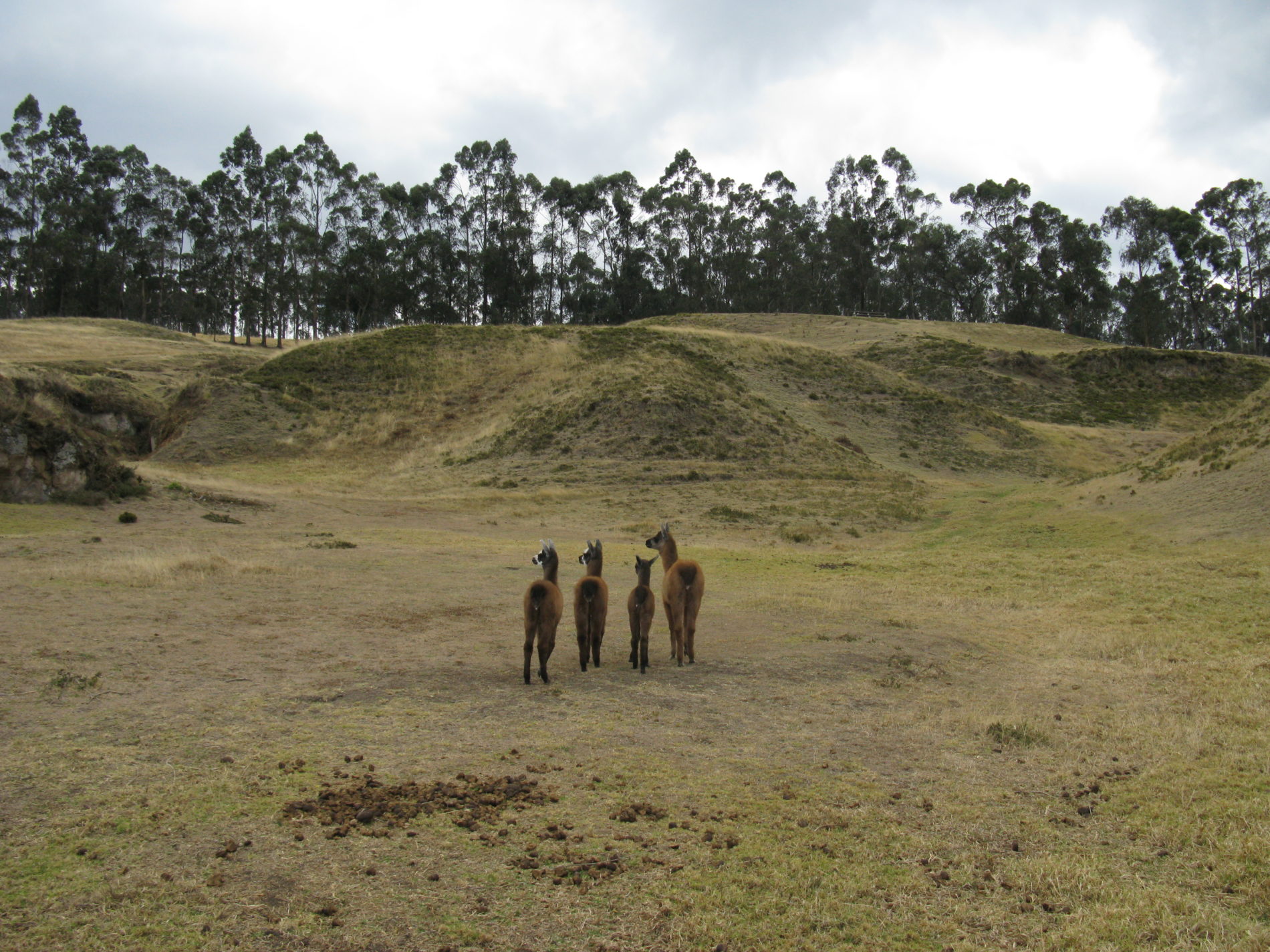
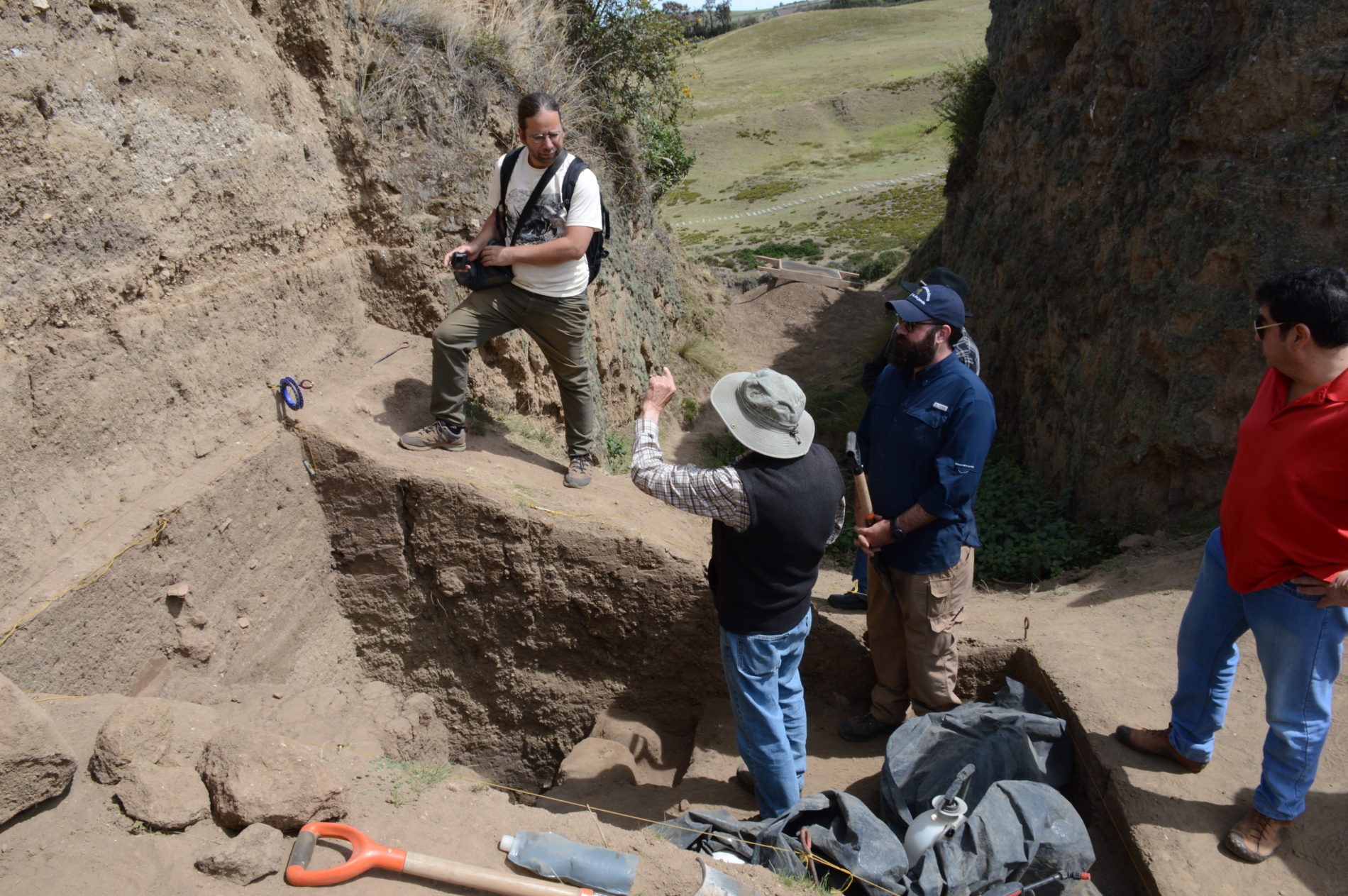
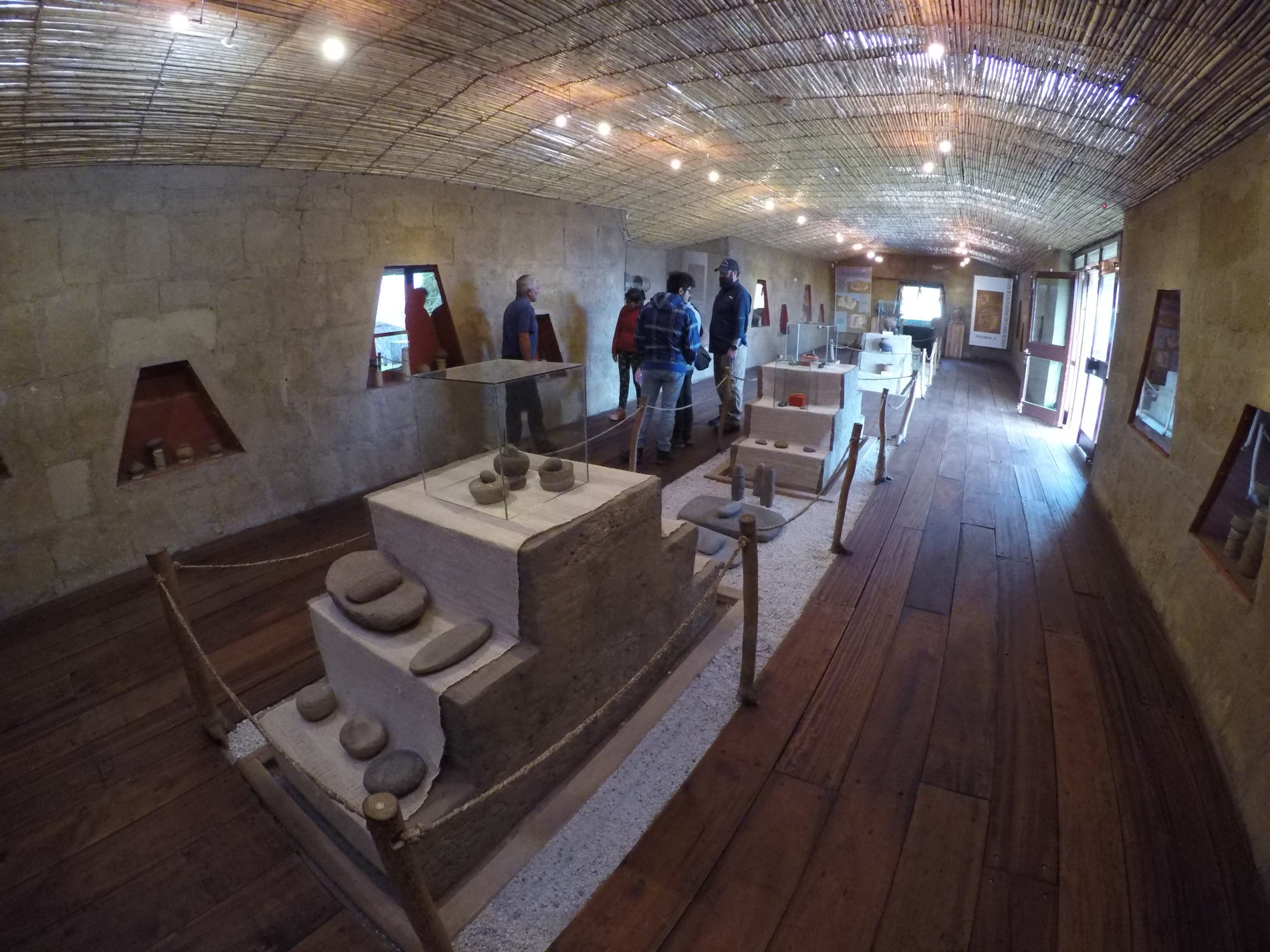
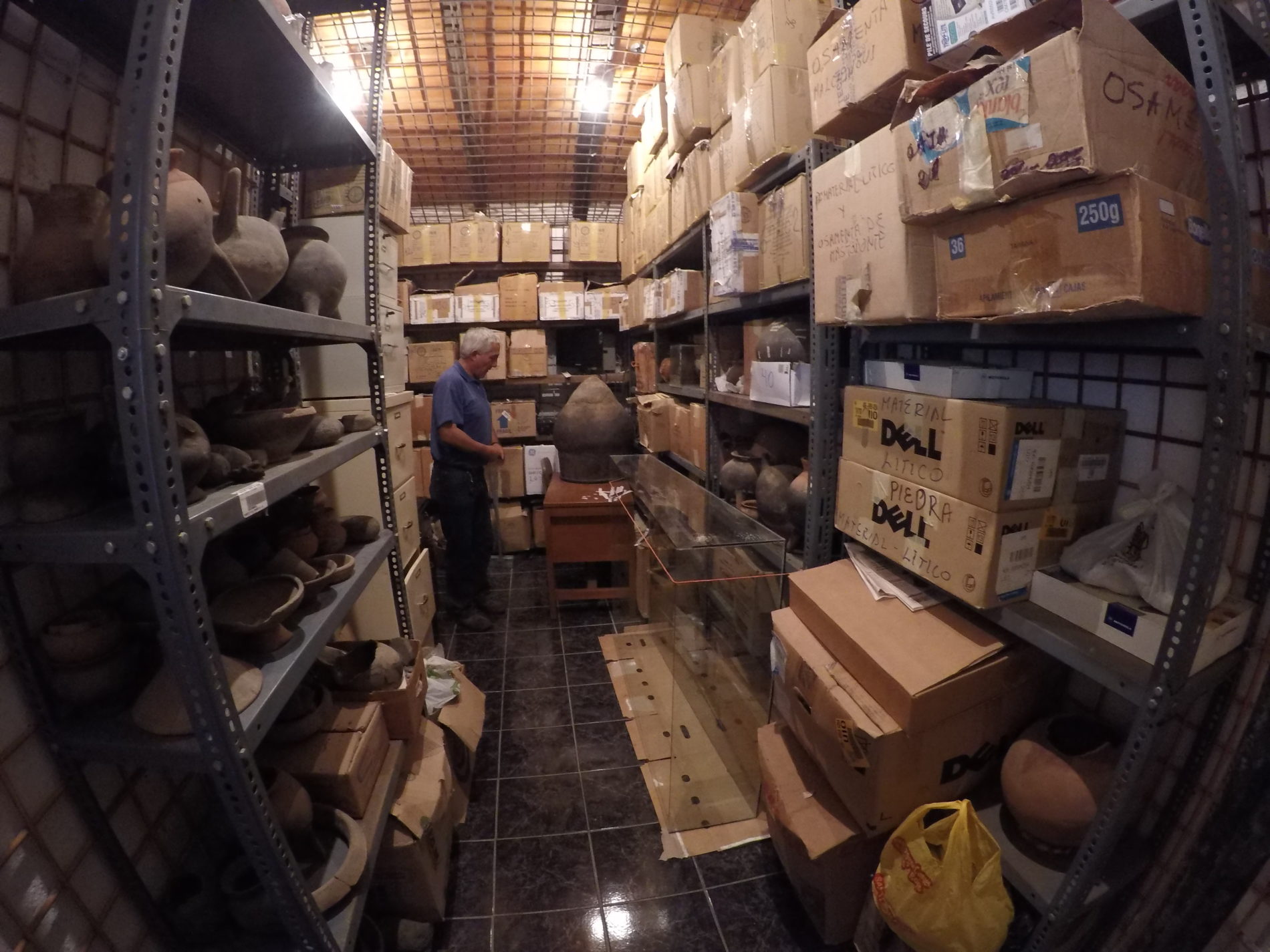
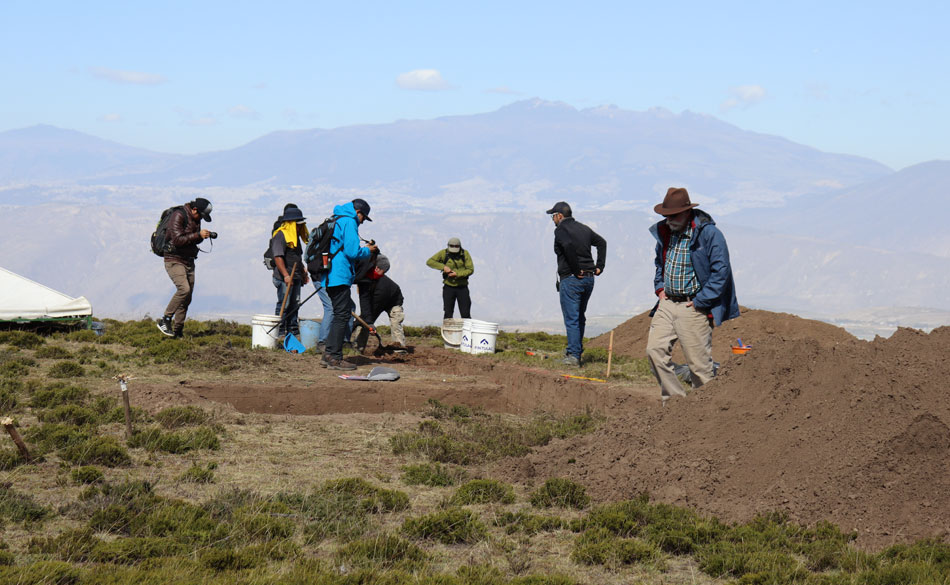
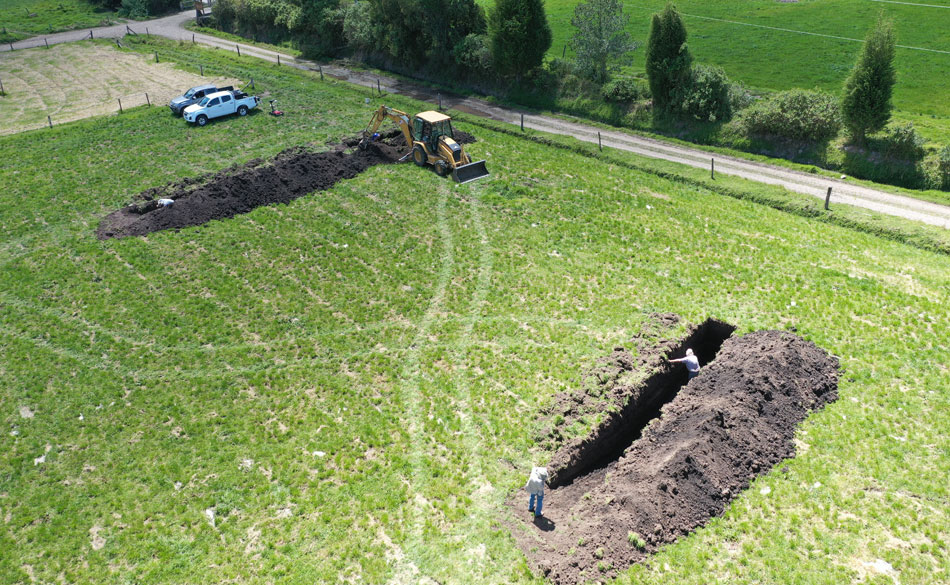
Set out on an extraordinary journey to the picturesque Andes mountains of northern Ecuador, where a unique blend of history, culture, and ecology awaits in our immersive field school experience at Hacienda Zuleta. With a rich and storied past, Zuleta stands as one of Ecuador’s best-maintained mound sites from the ancient Cara civilization, later inhabited by the Incas and Spanish colonists, and eventually becoming the farmstead of an influential presidential family. Explore the site’s fascinating chronology and untangle the impacts of the Quilotoa volcanic eruption on the Cara people, a pivotal event that reshaped the region’s cultural landscape and climate.
Field school highlights:
- Be part of pioneering research on the complex relationship between climate change, volcanic impacts, and human adaptation.
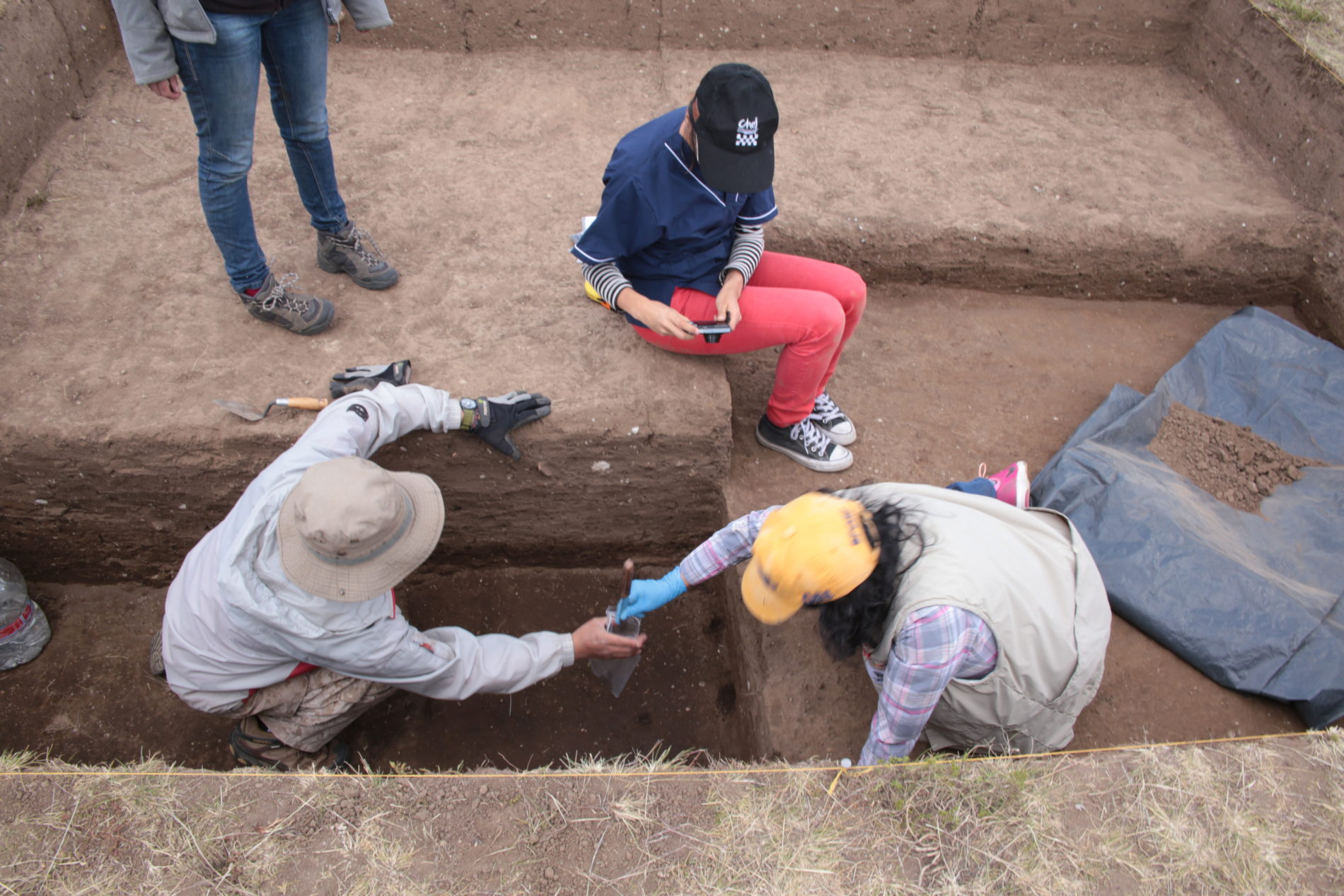
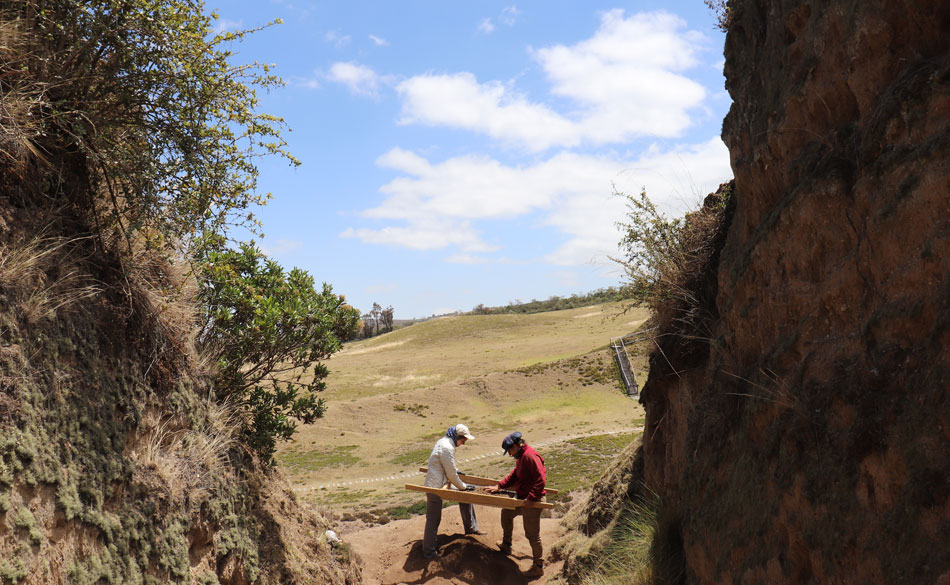
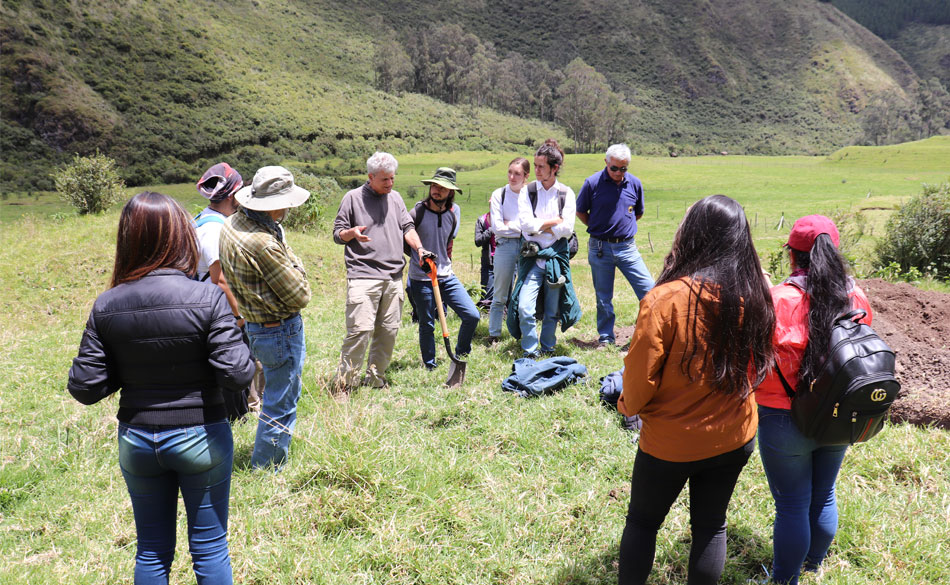
- Excavate Cara pyramids side-by-side with a team of international and Ecuadorian researchers.
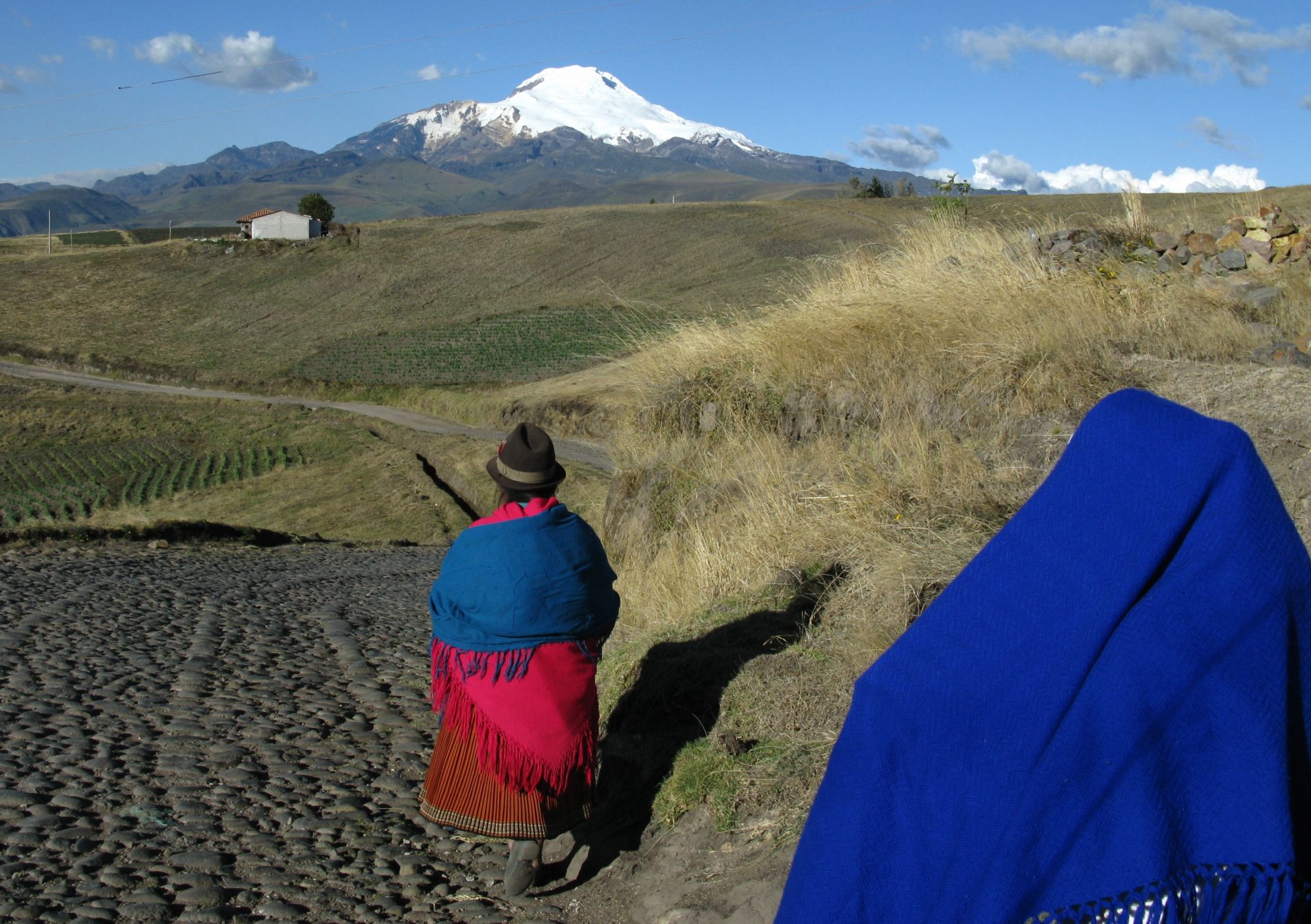
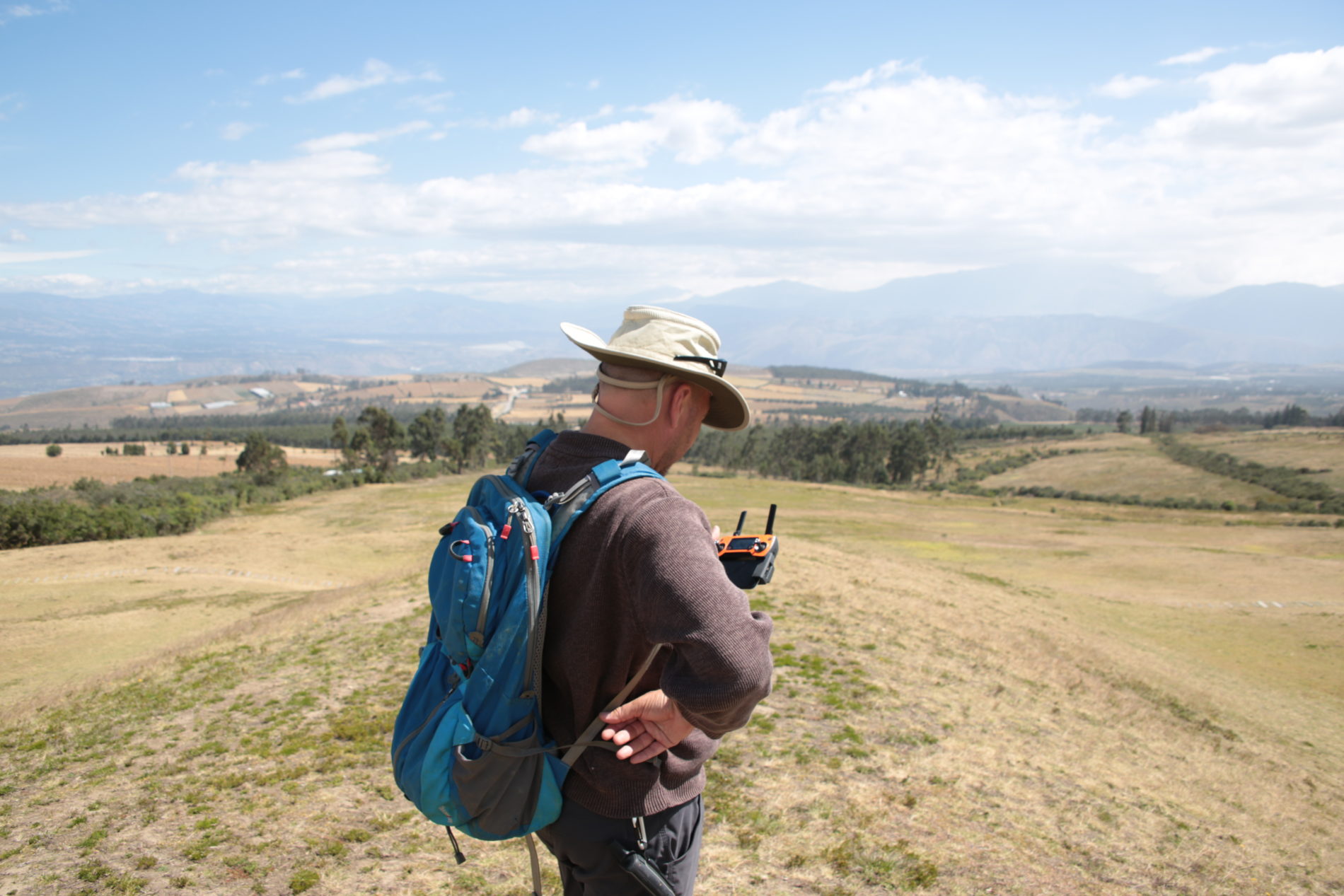
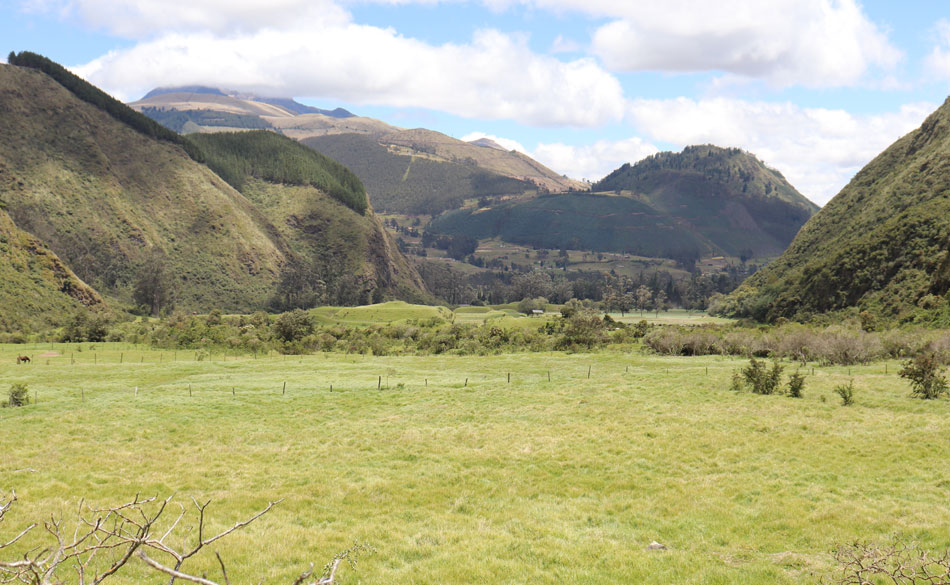
- Explore the surrounding nature preserve and stunning highland landscapes.
Please note: this program is contingent upon the field school and it’s participants receiving necessary permits from local agencies. Permits are anticipated, but cannot be guaranteed.
| Course Details | |
|---|---|
| Course Dates | July 13 – Aug. 16, 2026 |
| Course Type | Field Archaeology, geoarchaeology, paleoecology |
| Instructors | Dr. David Brown, Dr. J Stephen Athens, William Pratt, Ryan Hechler, Dr. José Echeverria, |
| Credits* | 8 semester (12 quarter) |
| Apply By | April 1 |
| Fees Due By | April 15 |
| Program Fees | (2026) |
|---|---|
| Tuition | $4,475 |
| Transcript Fee* | $350 |
| Health & Evacuation Insurance | $135 |
| Room & Board | $1,360 |
| TOTAL: | $6,320 |
*Please email admissions@ifrglobal.org for any application issues.
Applications accepted on a rolling basis until program fills or final deadline passes.
Instructors
The directors welcome emails and inquiries about the research elements of this project. More general information (tuition, health insurance, and payment schedule) can be found under the ‘Students’ tab above. Any further questions may be addressed to IFR staff. Additional details about research, course schedule, travel, accommodation, and safety can be found on the syllabus. Contacting the directors or the IFR office is encouraged and appreciated. It may help you determine if this field school is a good fit for you.


Testimonials
This is a new IFR field school. No student testimonials are available at this time.
Payment & Student Fees
Application Fee: There is a $45 fee to submit an online application.
Deposit Payment: A nonrefundable $500 deposit is due within 3 weeks of program acceptance in order to secure your place. The remainder of your program fees are due by the deadline indicated under “Course Details”.
*Transcript Fee & Academic Credit Opt Out: If you wish to participate in an IFR field school without earning academic credits, you will not be charged a transcript fee.
For more information about payment, fees, and policies, please see details under our Payment & Finances and Withdrawal and Cancellation Policy pages.
Accommodations
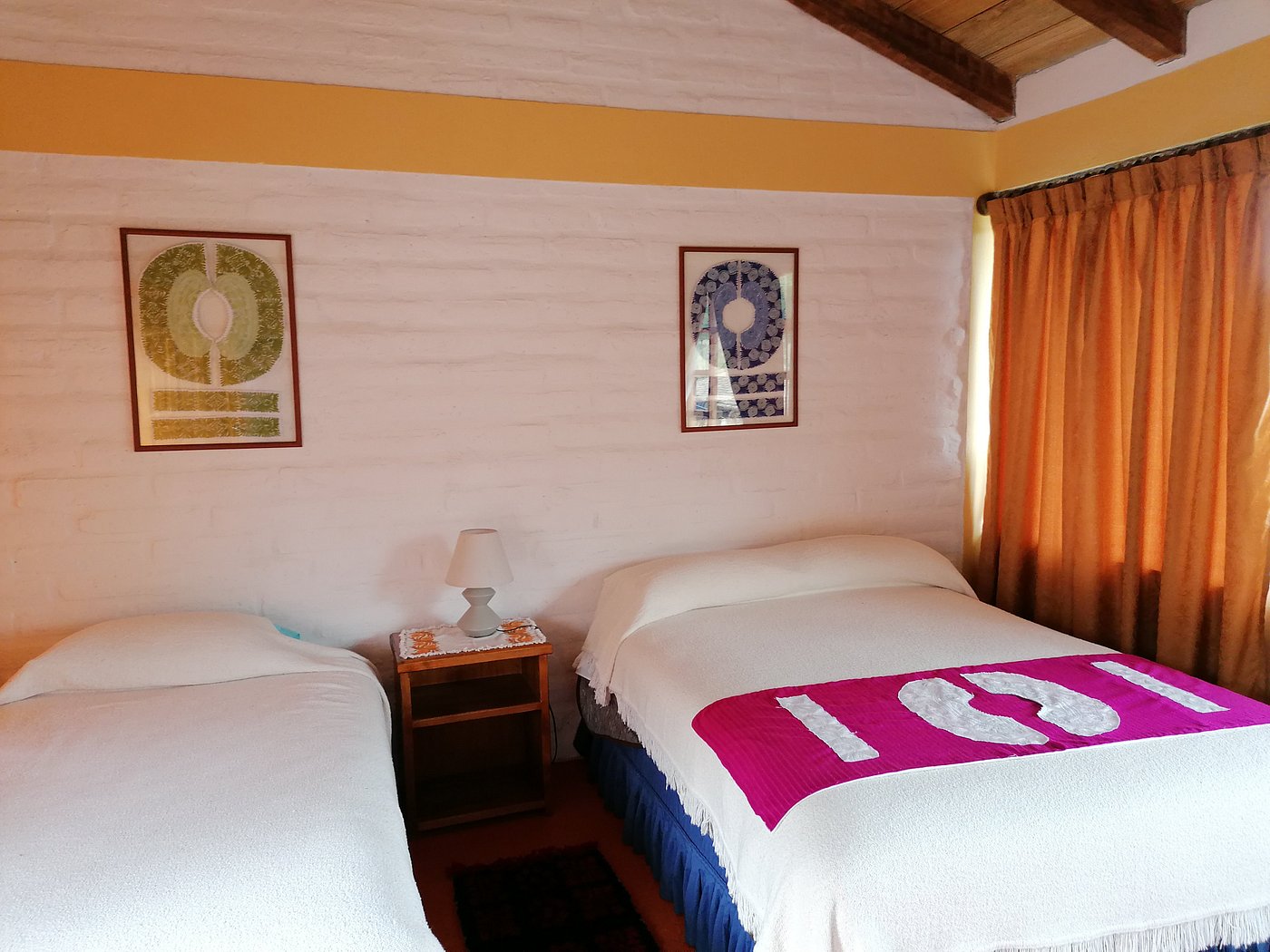
Students will stay in a small, but comfortable hotel in the community of Zuleta within walking distance of the Hacienda main entrance. Students will have their own beds but generally be required to share a room with one or two other students. Each room will have access to its own bathroom. Depending on the number of applicants, the program will occupy a dedicated section of the facility, or possibly the entire hotel. While blankets will be provided, the hotel is not heated and nighttime temperatures at that time of year can often be quite cold, so students may choose to bring a sleeping bag although most have found them unnecessary. Regular cleaning will be conducted by the hotel staff, but the facility is a small family-run hotel and students should do their part to maintain clean and hygienic living conditions for themselves and others.
Lunches will consist of sandwiches and field food prepared by students themselves from foods provided at the hotel each morning. Breakfasts and dinners will be eaten as a group at the hotel, prepared by local cooks. Local foods are very heavily potato and rice based but can be accompanied by a variety of fruits, vegetables, and proteins. Some accommodations can be made for vegans, vegetarians, and students with allergies or special dietary restrictions, but other specific dietary restrictions such as kosher or halal meals may not be feasible. All participants in a field school, students and staff, will wear masks while indoors (i.e. during lectures, during labs, in shared residential spaces, etc.). Regular hand washing will be a part of the project’s daily schedule.
Travel Info
Natural disasters, political changes, weather conditions and various other factors may force the cancellation or alteration of a field school. IFR recommends students only purchase airline tickets that are fully refundable and consider travel insurance in case a program or travel plans must change for any reason.
General information for this program is below, but keep in mind we will discuss any updated travel information and regulations during the required program orientation, which could affect travel plans.
You will meet field school directors at the Quito International Airport on the program start date. You should send your arrival info so the project to can arrange transport from the airport, which is some distance from the site, so you may have to wait for other students to arrive. If you are coming overland or would like to arrange your own transportation to the site, please inform the project as soon as possible and provide contact information.
If you missed your connection, your flight is delayed, or you are held at the border for any reason, please call, text or email the project director immediately. A local emergency cell phone number will be provided to all enrolled students.
Once at the Zuleta community, students will travel from the hotel to the excavation locations either on foot or by vehicle depending on the distance to the location.