The past few years have been transformative for IFR, from growing into new regions and disciplines to expanding scholarship funding and strengthening support for our research partners around the world. With Giving Tuesday upon us, we sat down with Executive Director Mary Lou Forward to talk about how IFR has evolved and how community support helps make it all possible.
Getting to Know Mary Lou
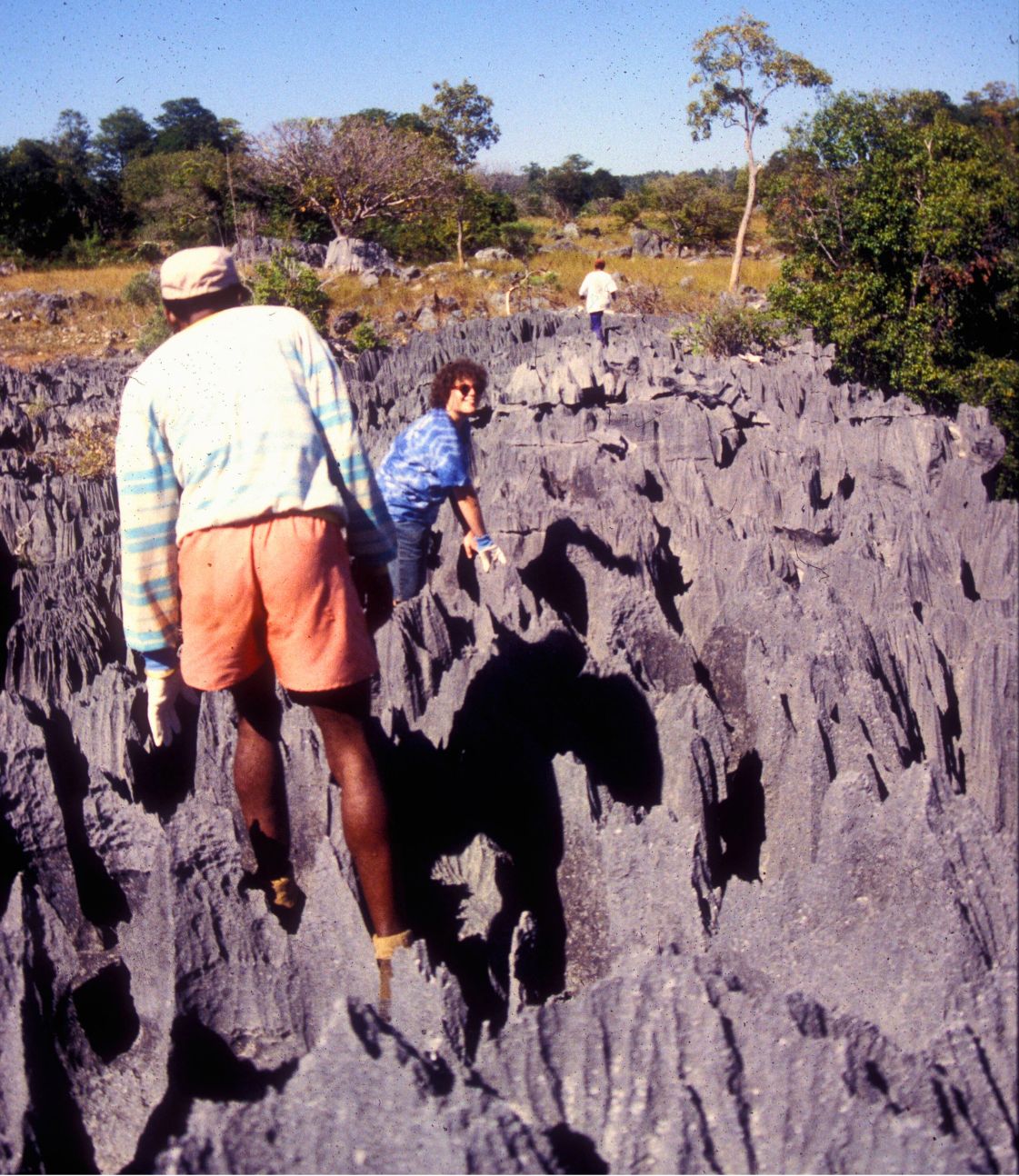
1. You have deep experience in international education, both working directly with students on-site in Madagascar as well as leading global learning initiatives from the U.S. before joining IFR in 2023. What drew you to join IFR, and what excites you most about supporting field-based research and education?
I had the incredible opportunity to lead field-based, experiential programs that were deeply rooted in local communities. Students learned so much about Madagascar and its natural and cultural history by being fully immersed, asking questions and engaging with people and their environment. Understanding happens more deeply when you are there, in the milieu, trying to make sense of what you’re experiencing and being guided by teachers and researchers who are invested in your success. There really is nothing like field based education.

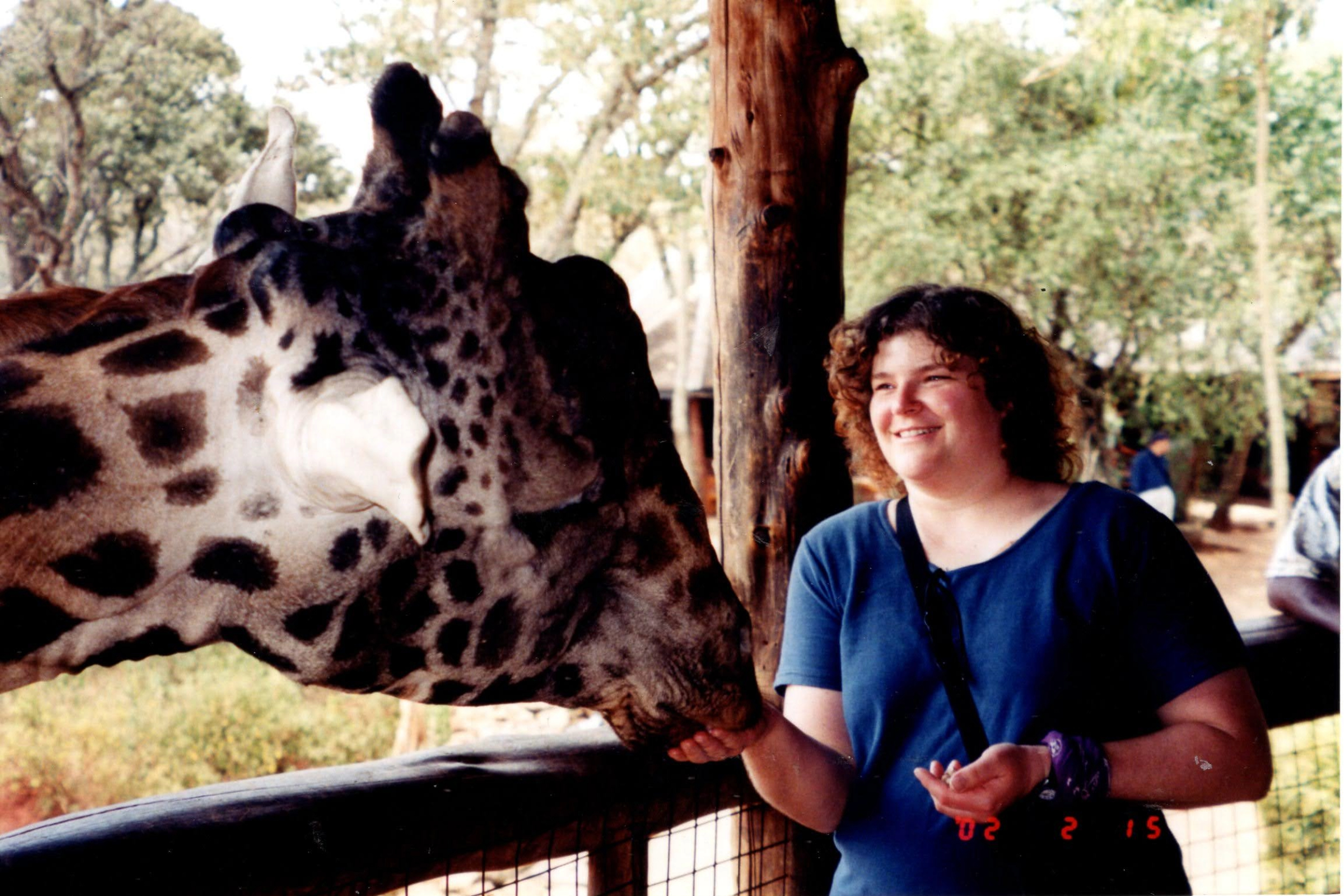


2. You’ve spent plenty of time in the field over the years. What was one of the most surprising things you did?
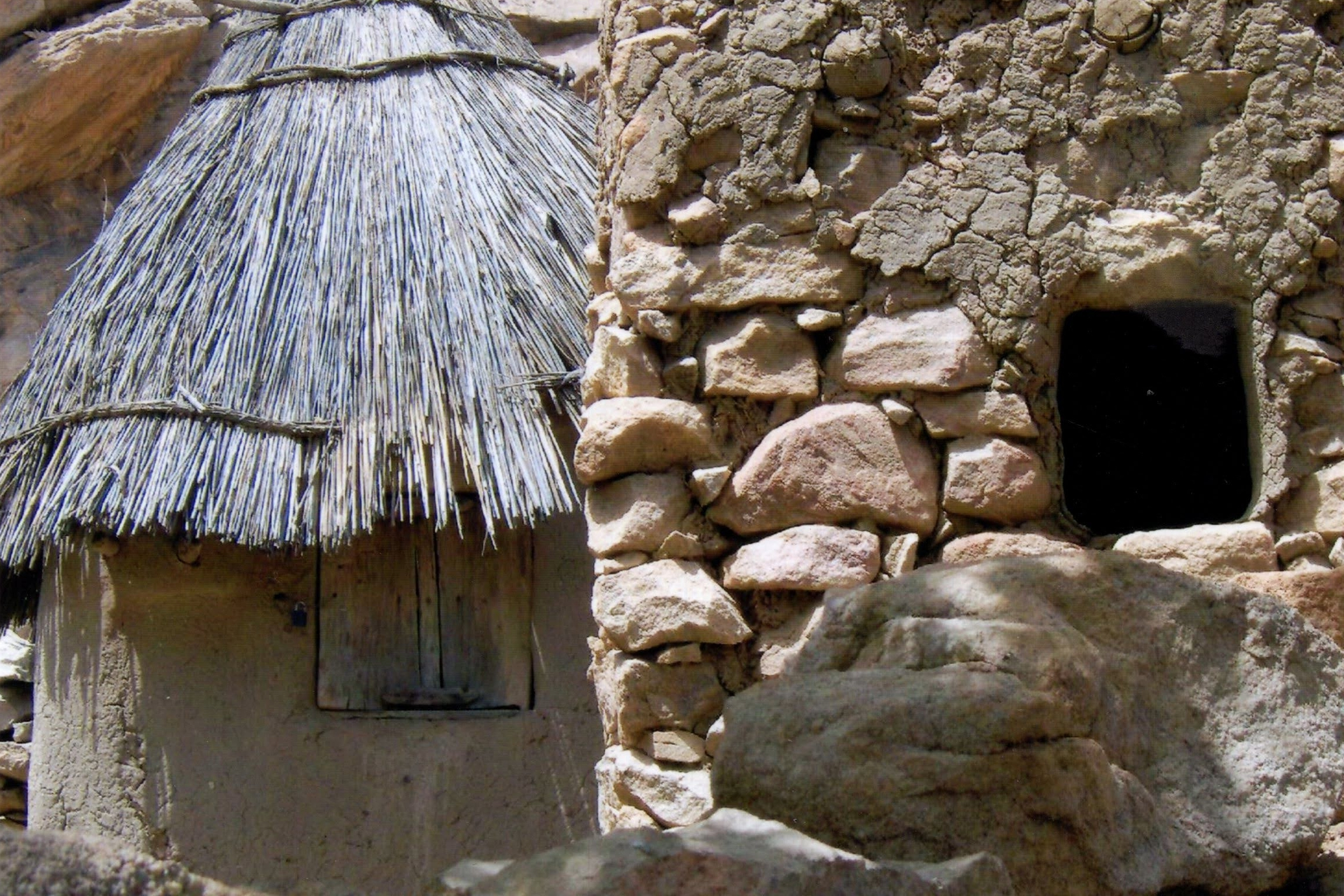
I once gave the landing speech on a plane coming into Timbuktu. There was a temporary crew from South Africa leading that flight, and the flight attendant was struggling to read the information card in French. We had chatted earlier, so I asked her if she needed help, et voilà, I was handed the mic. (Mesdames, Messieurs, nous sommes à l’approche de l’aéroport de Tombouctou. Veuillez regagner vos sièges…)
The Evolution of IFR
3. IFR has grown a lot since the pandemic. What are some of the most exciting ways the organization has changed in the past few years?
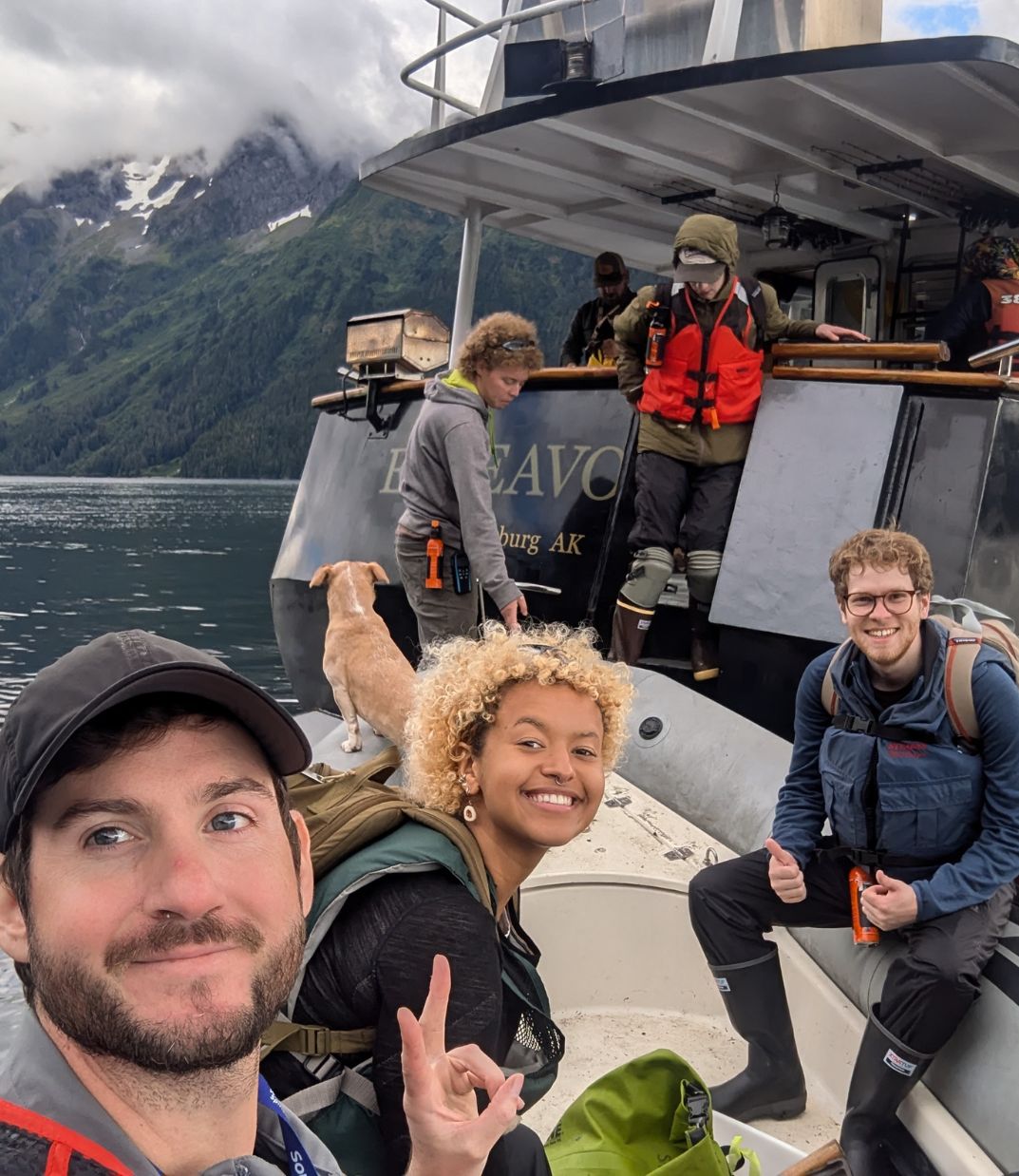
We are really focusing on our mission and the impact we can have on students, communities and research. We have introduced new programs in more field-based disciplines, like environmental studies and paleontology; we’re building our community of researchers with regular meetings and topical training opportunities; we’ve found ways to support research with different funding models; we’ve launched new enrollment and learning management systems to make it easier for students; we overhauled our communications (like this newsletter!); we rethought the ways we’re helping students prepare for their programs; and – spoiler alert – we’ve been working on a new website that will launch soon. We also have onboarded some fantastic staff over the past three years to work with our students and program directors. It’s been an exciting few years!

4. Making field research accessible has always been central to IFR’s mission. What initiatives are you most proud of in delivering on that commitment?
We look at accessibility in many facets. One is affordability and value. We work very closely with our program directors to develop budgets that will support their important research while giving students excellent experiences, all while keeping the cost of programs affordable. Our programs typically offer 6-8 semester credits, which makes the cost per credit for IFR programs very affordable, in fact, it’s on par with in-state tuition rates at public universities. We also offer scholarships ranging from $500 to the full cost of programs to help with financial need.
Another aspect of accessibility is whether the field school can support students with different needs. During the enrollment process we work closely with students who express particular needs, from dietary restrictions to physical accommodations, to ensure that their chosen program can support them, including making modifications if possible. We also provide information and training to our program directors so they can help students succeed onsite. We also want to make sure that learning opportunities are accessible to all students, so we introduced a learning management system that includes pre–departure readings and information; we have a two-phase orientation program; and many programs include online learning components in advance of fieldwork.
5. Collaboration is a big part of IFR’s model, including providing grants that support our partners in carrying out their own research. Why is this kind of investment important to IFR?
This is a critical part of IFR’s mission. It’s the research that helps all of us understand our shared cultural and environmental heritage. We want this research to continue, to be shared, and to be understood not just by those affiliated with IFR, but with the wider world. IFR particularly supports research that involves the communities where the research takes place. Too often, local communities don’t have the opportunities to be part of or to benefit from research taking place where they live. Doing our small part in supporting this research and its dissemination is central to what we believe is important, and it’s built into our DNA.
6. What excites you most about IFR?
It is such a privilege to be part of an organization that cares so deeply about what we do and the way that we do it. The researchers and partners we work with to make our programs possible are incredible. The commitment of our Academic Board and Board of Governors is inspiring. Hearing from alumni about how they have benefitted from their experience is greatly rewarding. And the programs speak for themselves – the range of locations, topics, time periods, disciplines, community connections – all inviting students to uncover, experience, and understand through participating in ethical, culturally sensitive research and learning opportunities.
7. Finally, for those considering supporting IFR this Giving Tuesday, what kind of impact does their gift make?
First, a huge thank you for considering IFR in your gift giving! Gifts make it possible for us to realize our mission, like enabling more students to benefit from participating in one of IFR’s incredible programs. Scholarships can make all the difference to students, some who may need a lot of financial support, and some who may need just a bit to get them over that last financial hurdle. The impact these programs have can really be life changing.
Share this article
Follow us
Latest articles
March 15, 2026
March 15, 2026
March 15, 2026