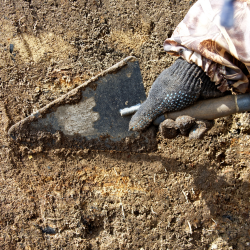
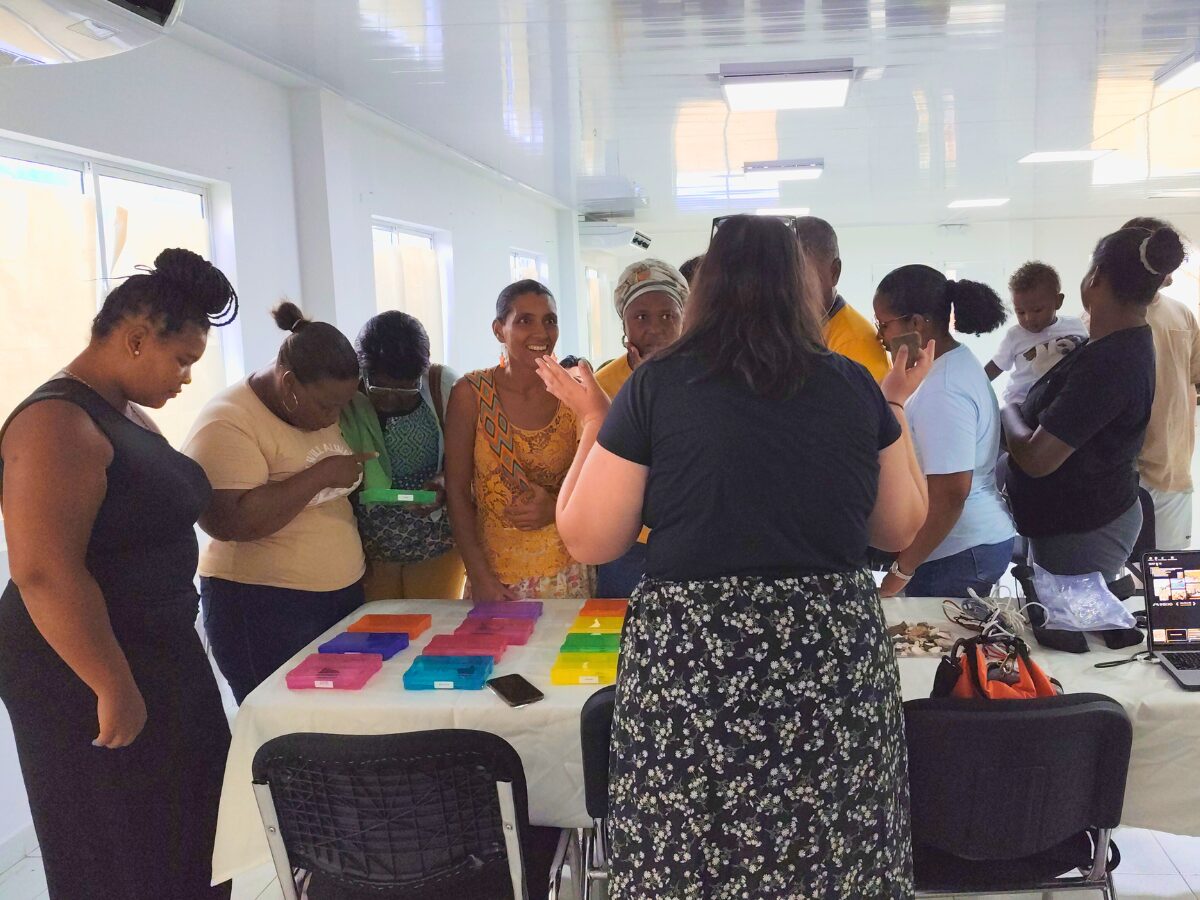
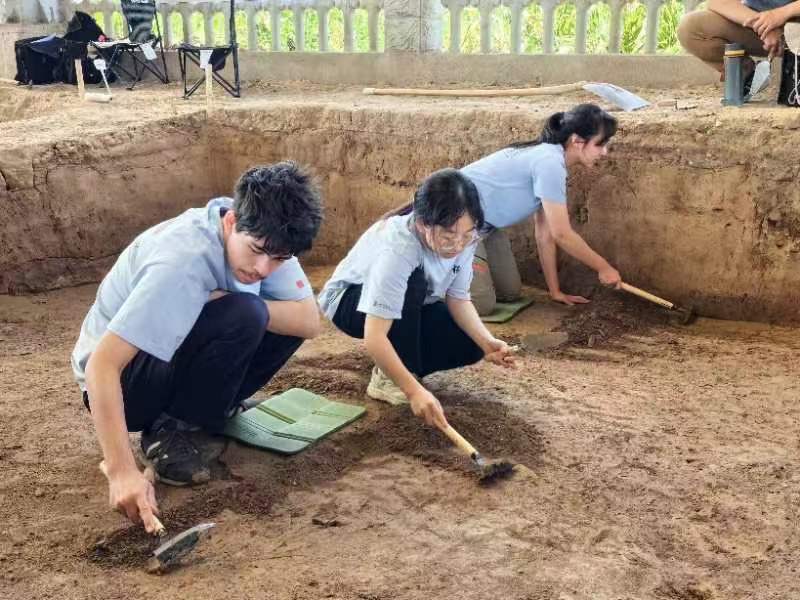
The main focus of the program was to locate, excavate, and identify artifacts in the field, another key aspect was engaging with the local community in various ways. Professor Mayfield clarified to us how involved the community deserved to be with everything we did, from letting them know what we were doing on their island with their artifacts on their project to participating in local community events and gatherings. At some point in the program, Professor Mayfield hosted a meeting in the big town to get a presentation on the work we were doing, how we were conducting it, as well as showing off what we had found, all to keep the islanders informed about the research that has been conducted for years.
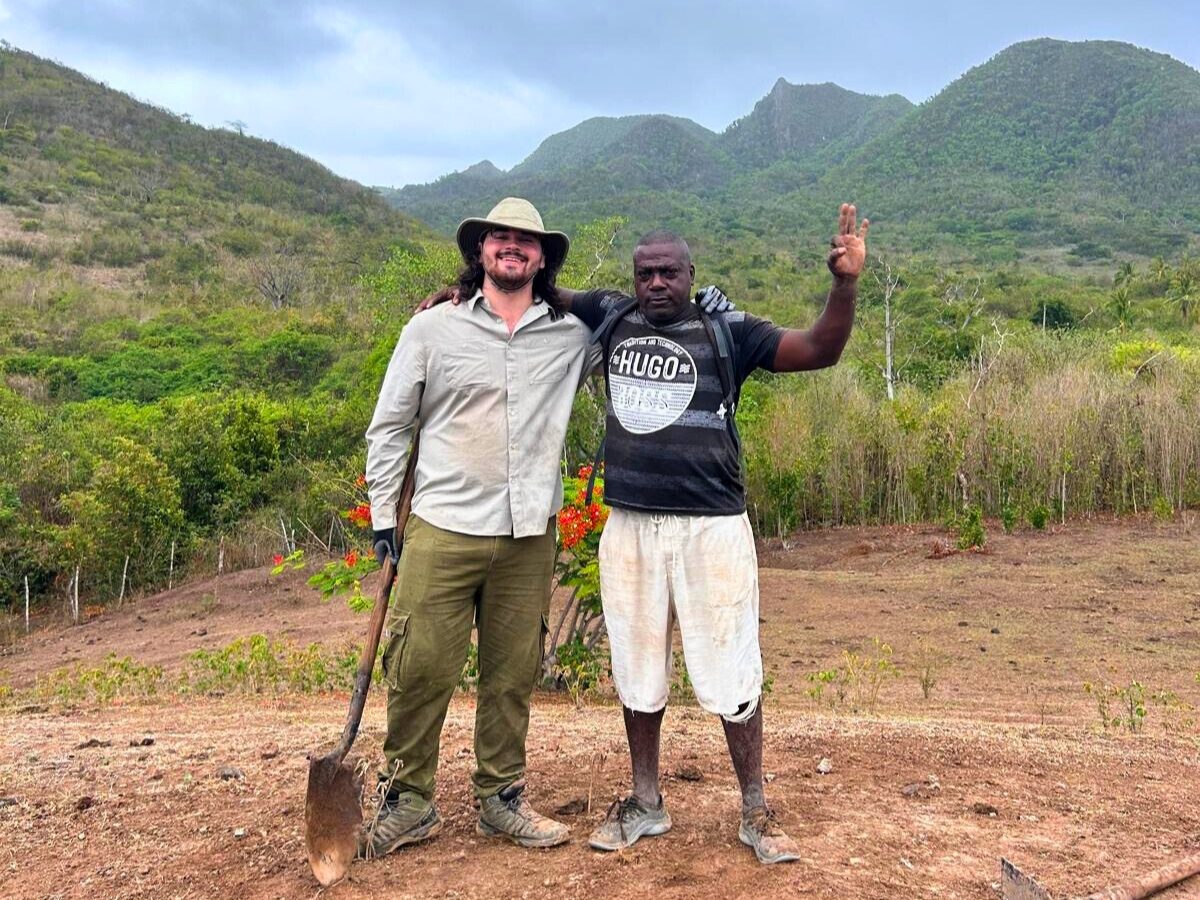
The first day we started working in the field, we were assisted by a local islander who had been working with the program for years and provided us with unique knowledge about the island’s soil and environment. In the following days, in addition to participating in the usual fieldwork, all of us students took turns conducting ethnographic interviews with different locals from a variety of occupations, who each had important and interesting things to say about their life, the current state and history of the island, and what they think about life on the island. These interviews provided a lot of unique knowledge and understanding about the islanders, as at some point, we discovered a different language that our team had never heard of before.
Furthermore, as part of the program, we listened to various lectures from community members, ranging from traditional bush medicine doctors to local painters and artists. While the interviews were more formal, we all gained the class to interact with the locals outside of our ‘class time’, as early into the program, Professor Mayfield hosted a gathering for all the islanders who she has gotten to know over the years. During this time of gathering, we got to hear lots of fascinating stories and learn just more about how the people of Providence felt about the island, what traditions and taboos they follow, and overall what their favorite things are, such as food, locations on the island, etc.
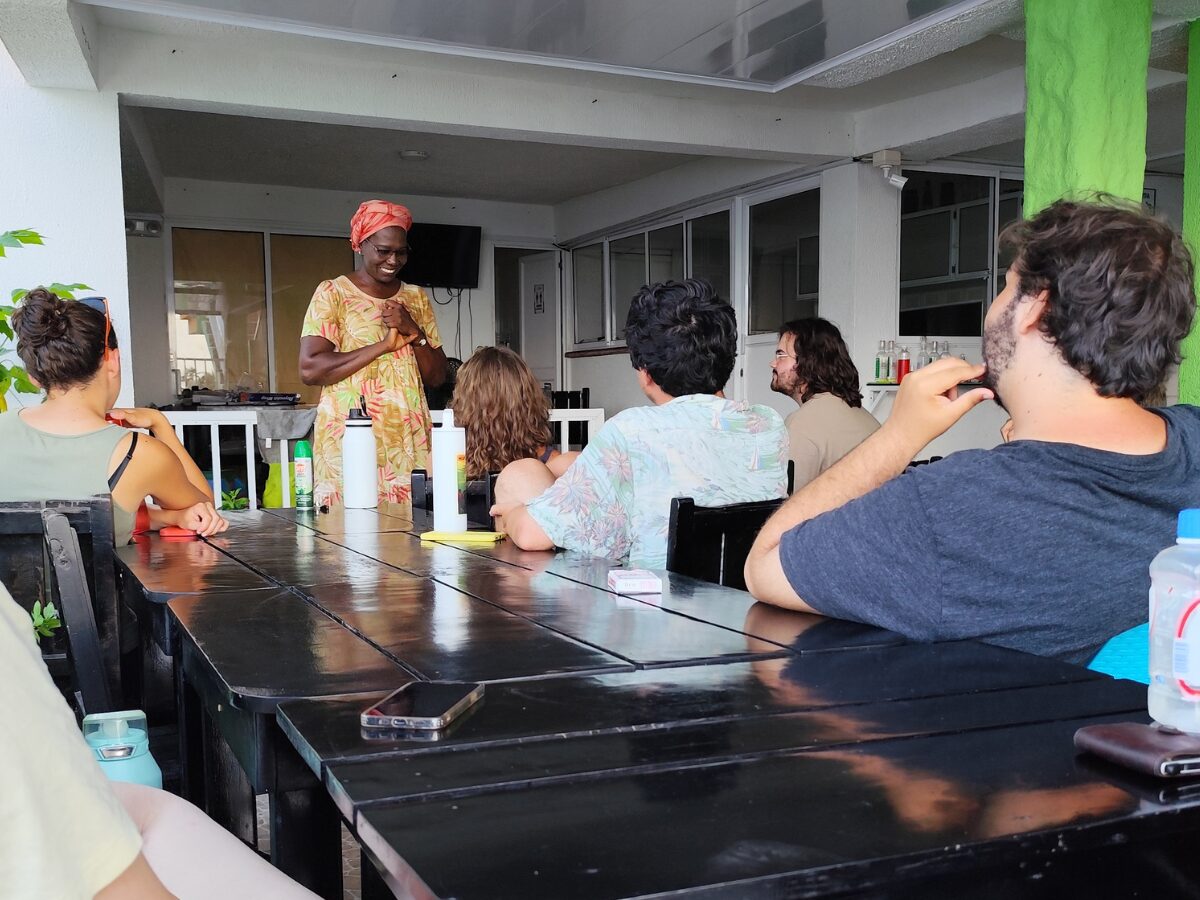
Moreover, to get a taste of the islander culture, during our free time, we had the opportunity to experience things like the local Raizal culture festival in the big town, as it featured a beauty pageant, local music, and dance, alongside just being a fun and lively experience, with great local street food. And on other days, we would be invited to view fowl fights, which was something none of us had ever seen before. While slightly disturbing in its violent nature, it was definitely worth seeing for the experience alone.
Furthermore, during the last few days of the program, our program was invited to help cook a traditional shared communal stew, which in the end turned out fantastic and delicious. While the stew was cooking, we all got to talk with and hear more crazy stories from the locals, especially about their experiences surviving the disaster that was Hurricane Iota. I was practically in disbelief hearing about how they all barely survived the hurricane, as many recollected seeing their houses blown away in seconds, while others remember holding the bathroom door closed for hours while their family remained in the bathtub.
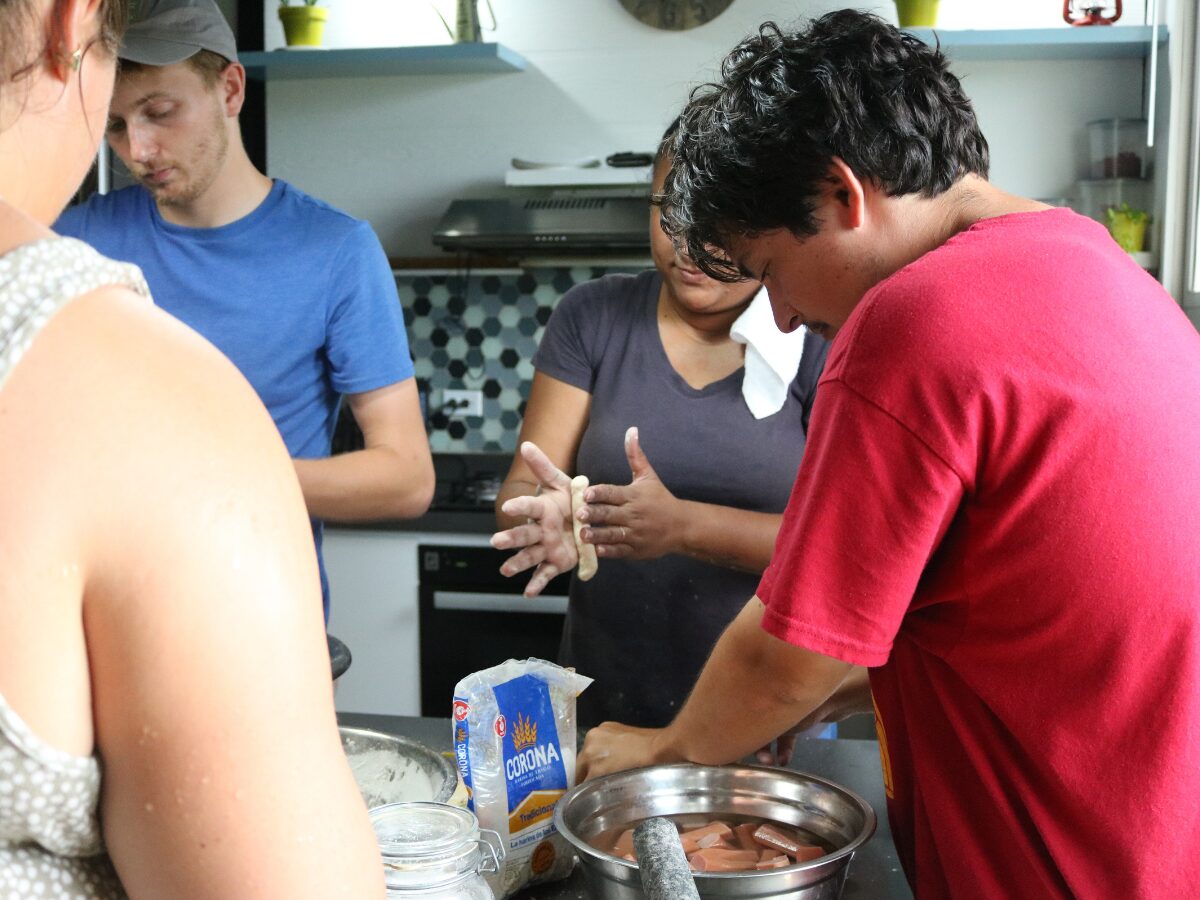
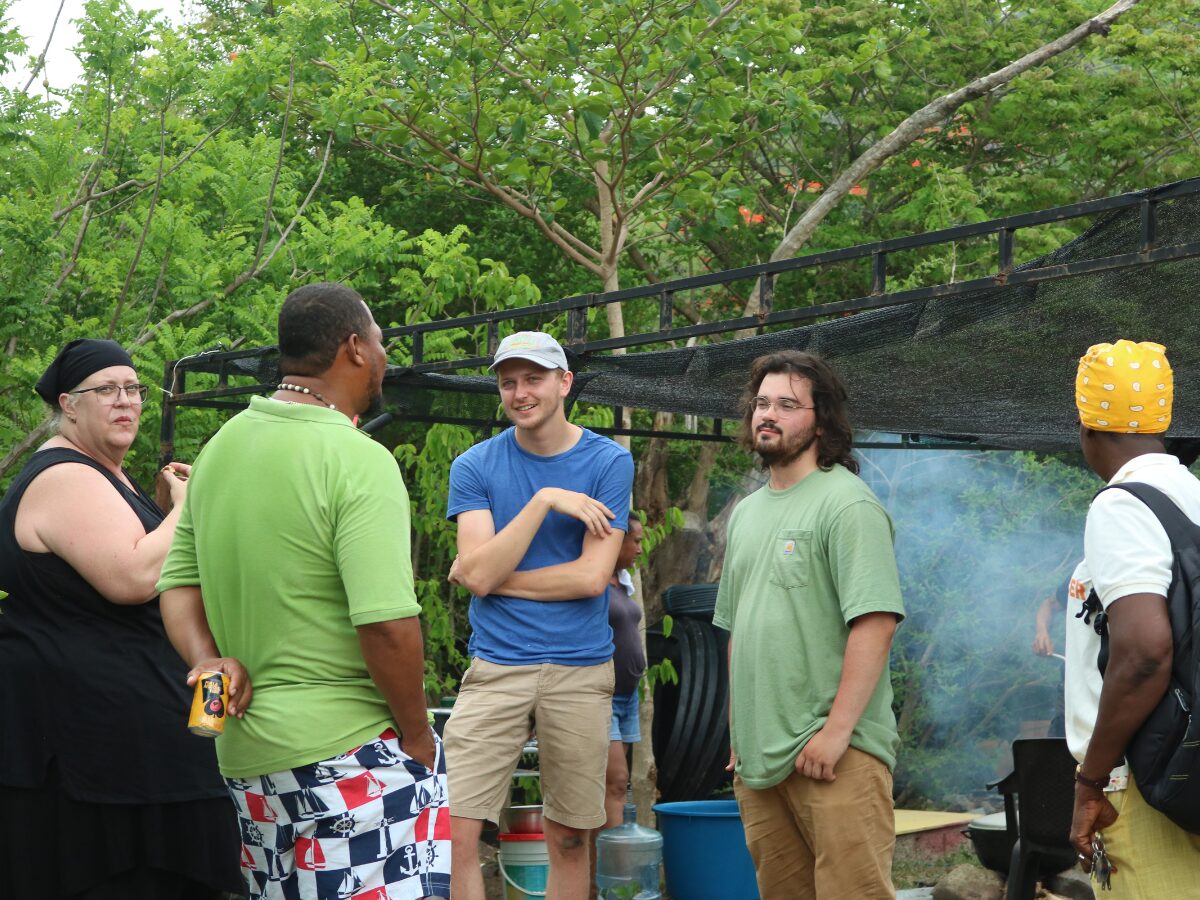
I think my favorite part of interacting with the community was how fascinated they were with our ways of life, myself being from Los Angeles and the United States, and many of the young islanders were curious how life was in America, if hamburgers and pizza were really our favorites foods, and where were curious about trying Chinese food. I was happy to be questioned myself about my culture, and so overall I thoroughly enjoyed interacting with the community and learning from them along the way.
Share this article
Follow us
Latest articles
March 15, 2026
March 15, 2026
March 15, 2026