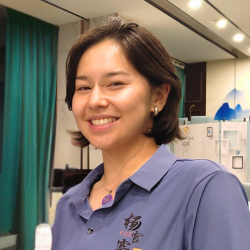
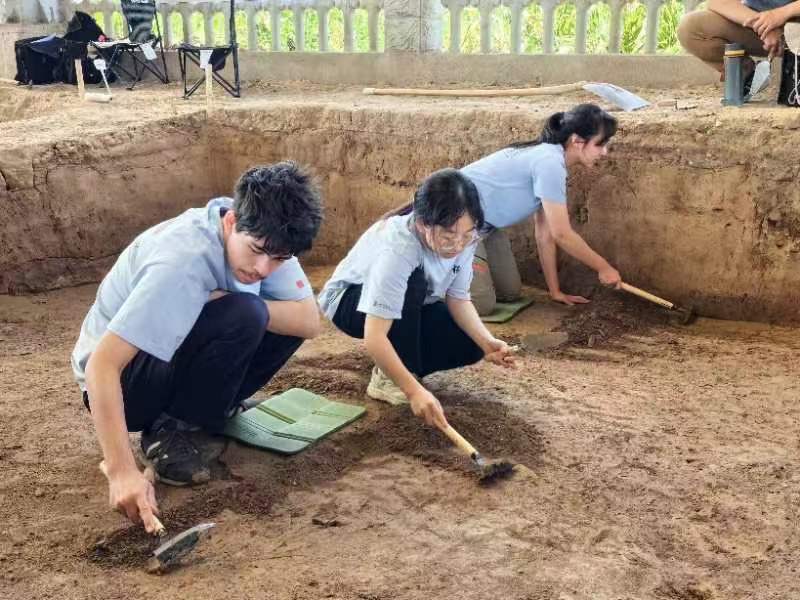
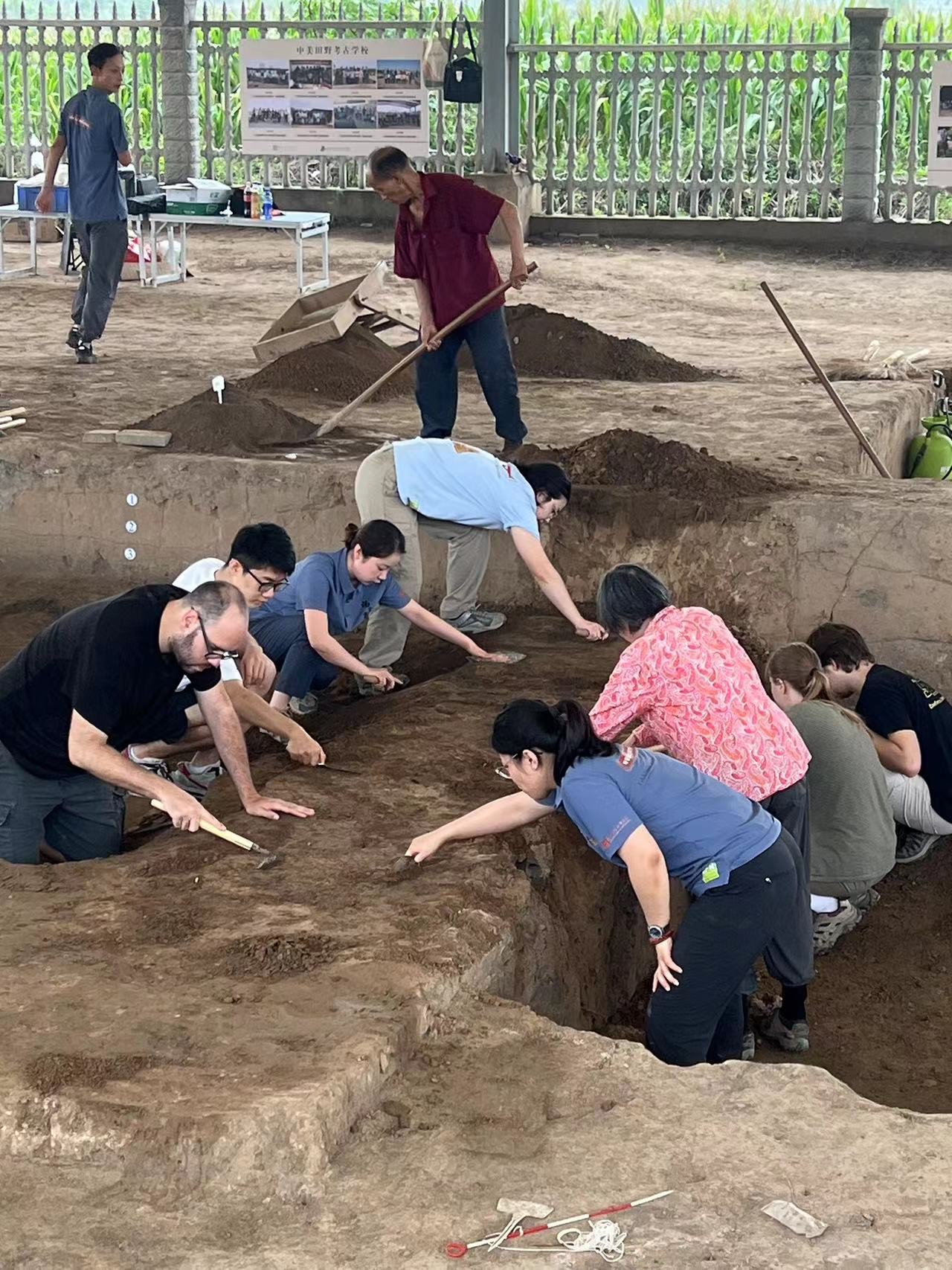
These are some curated tips and tricks that I learned through my archaeology field school program, the China Yangguanzhai Excavation. Although these may not directly apply to your host country or field school setting, hopefully these tips can be converted into your own context and help you make the most of your experience. In no particular order:
- Find a favorite food spot and become a regular
This way, you’ll become a familiar face, which opens up the door of befriending the local community. Becoming easily recognizable creates a sweet and endearing distant connection with the business. In the case of one of my peers, finding delicious and reliable vegan meals and treats was one of our biggest challenges. Therefore, finding a dependable restaurant became a safe place for us to visit. I found this enlightening to my experience establishing a light hearted interaction during my time at my field school.
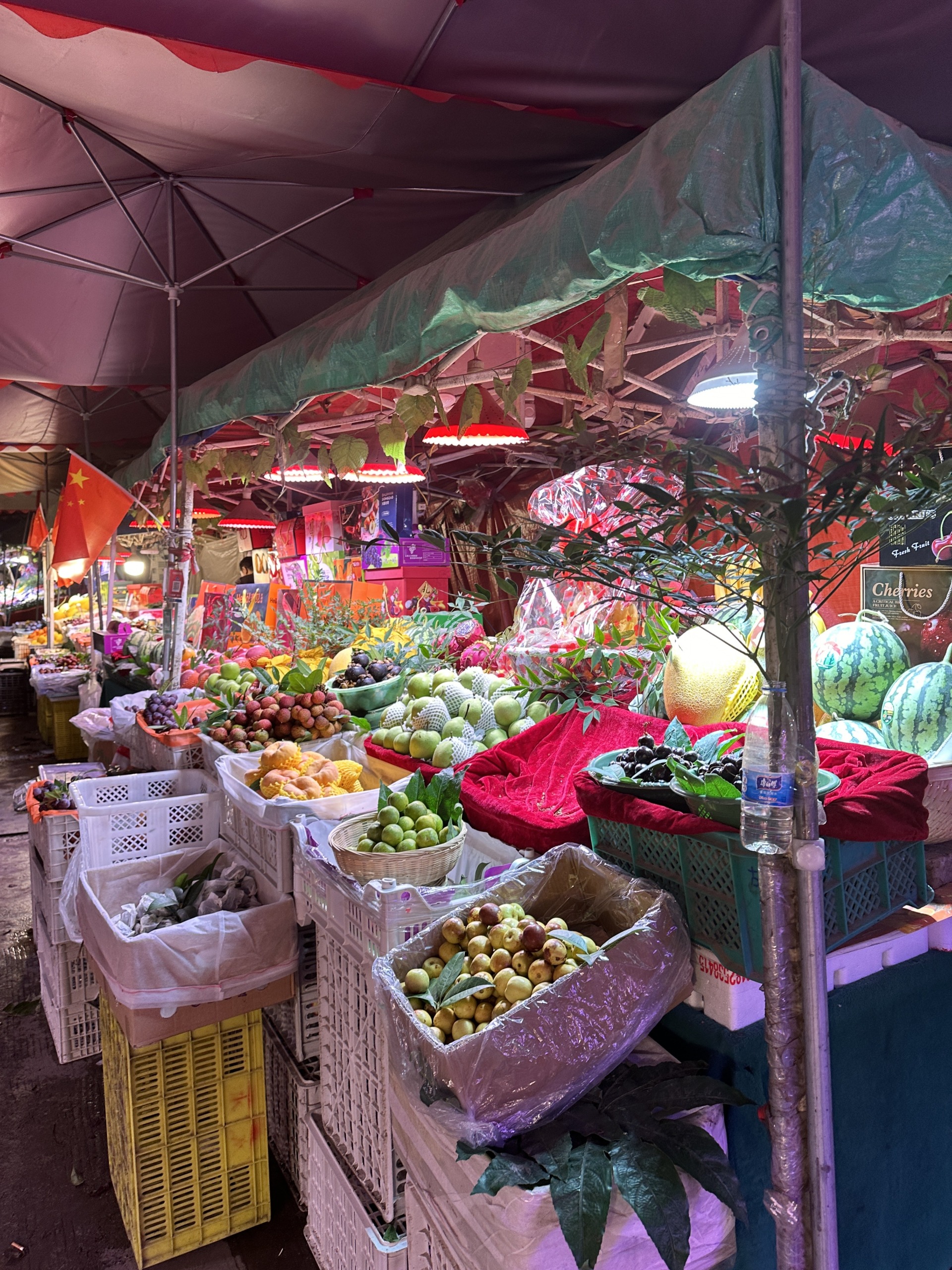
2. Go on walks and explore as much as you can
Ideally, you would do this with a buddy. It’s a great way to bond and get to know other students in your cohort. Though, as long as someone knows what you’re up to or where you’re going, finding a safe way to expand your horizons is incredibly enriching. Walking is also great for your nervous system. So if you’re feeling anxious or in need of an outlet, go on a stroll and expose yourself to new scenery. For future reference, 5-8k steps a day is beneficial for health, 8-10k steps a day is monumental. But you’ll be exerting so much energy from the dig, so getting a hearty meal and solid rest is a priority.
Bonus: if there is a specific item or dish exclusive to your travel location, challenge yourself to find it. For example, I wanted to find t-shirts translated in English because most of the time they were incorrect, which made them hilarious and a seekable item for me.
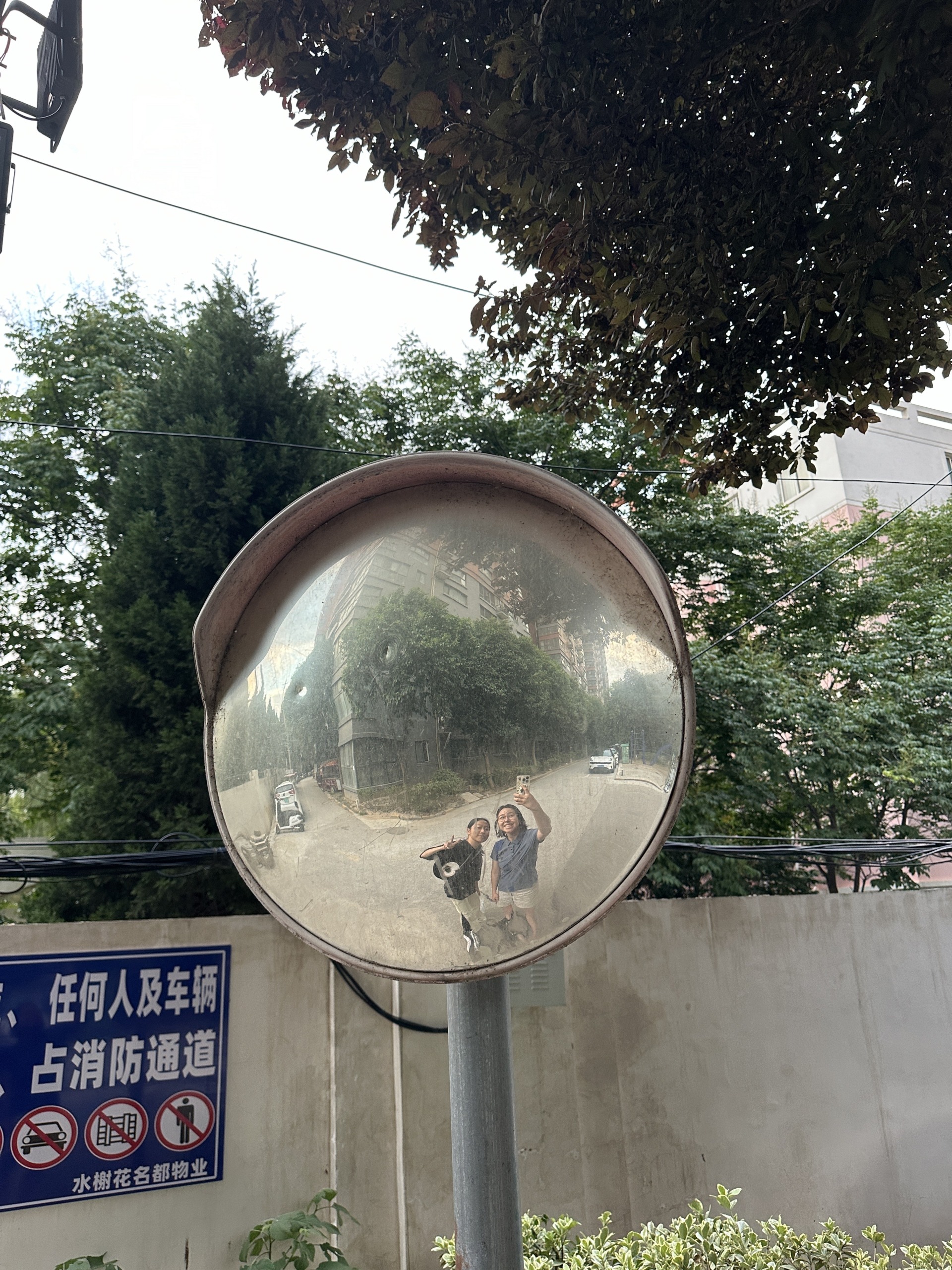

3. Don’t worry about forgetting anything & just pack light
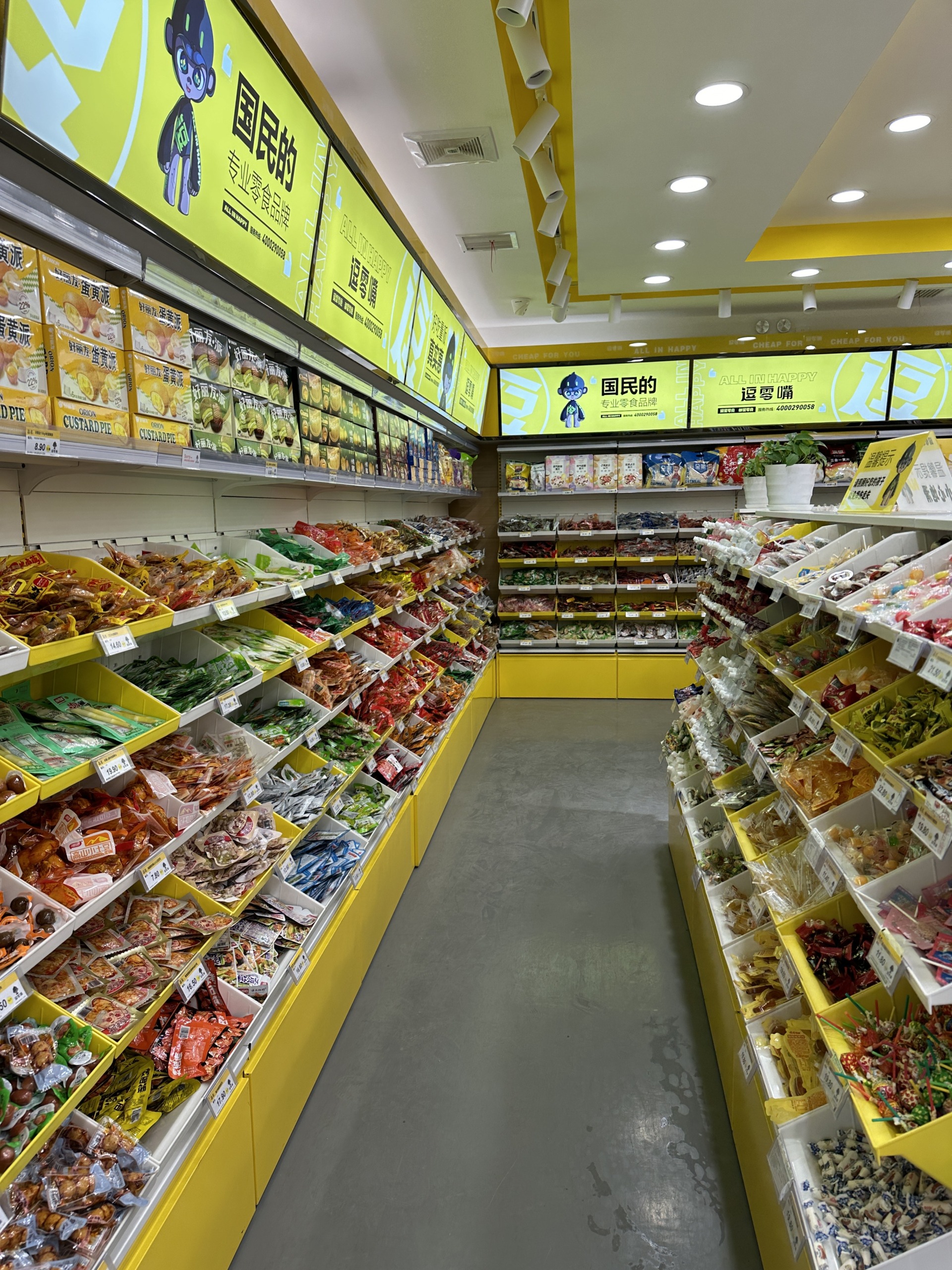
Where my cohort and I were staying, we were in radius of grocery stores, coffee shops, convenient stores, and pharmacies. Finding essentials, for the majority of occasions, was very accessible in our area. By looking for supplies, you simultaneously allow yourself to explore your area. For example, students were able to replace clothing while their luggage was missing due to the airport system.
My roommate and I were able to wash our clothes with additional appliances when the washer and dryer was not in service. I was also able to retrieve over-the-counter remedies such as mineral oil for my sweat rashes, stomach medication, mosquito oil, and acid reflux medication (omeprazole) from the drugstore. I wish I didn’t stress out so much during the packing process.
However, if there are certain things that are irreplaceable or unattainable during travel (i.e. specific medications, creams, anything dire), please don’t forget to prioritize and stock up that inventory. Additionally, if you have tools and accessories from other archeology programs, don’t worry about bringing them. The program will most likely (I know my program did, but not sure about others) provide the materials for you.
4. Eat any fruit or vegetable in season
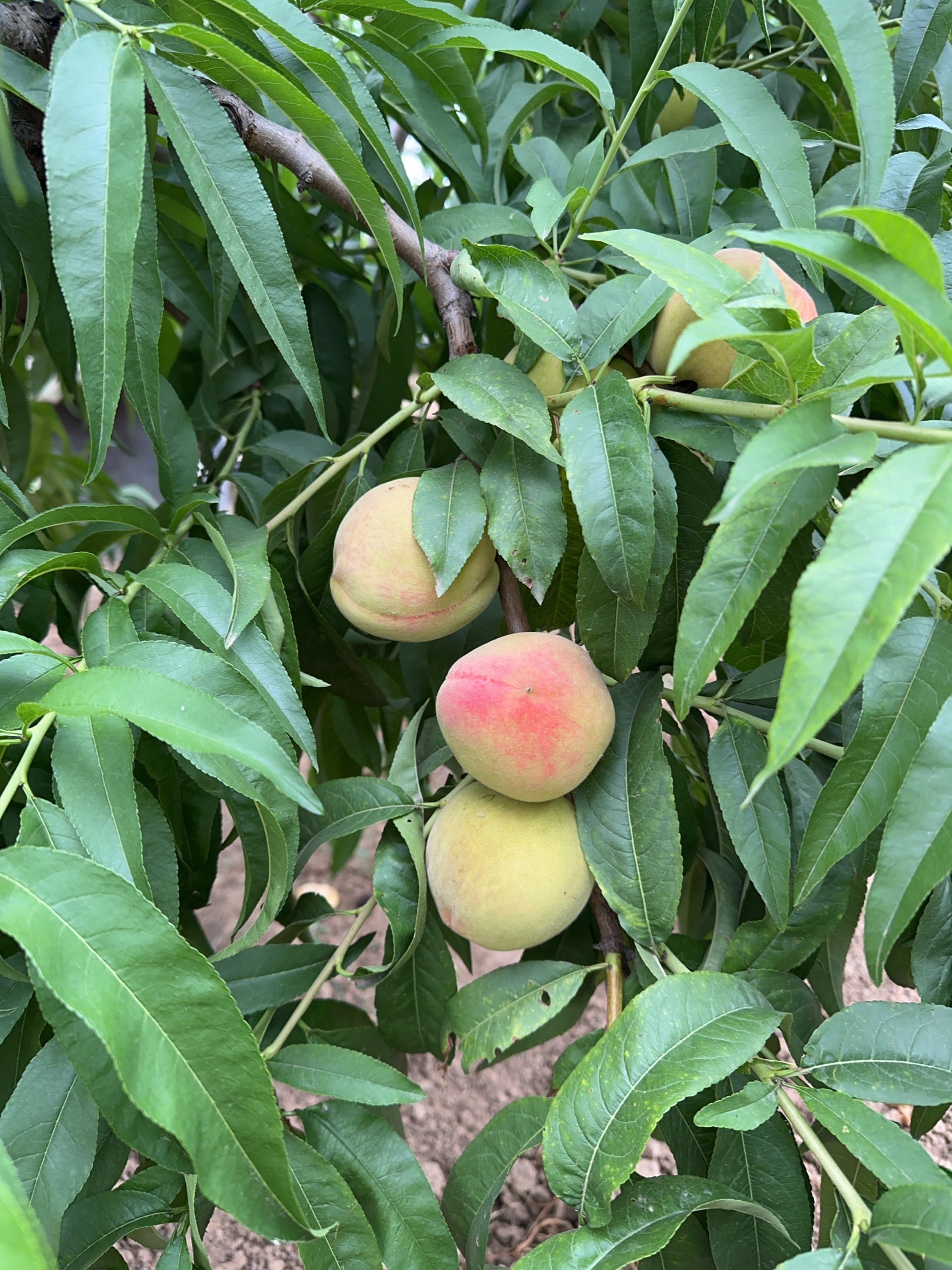
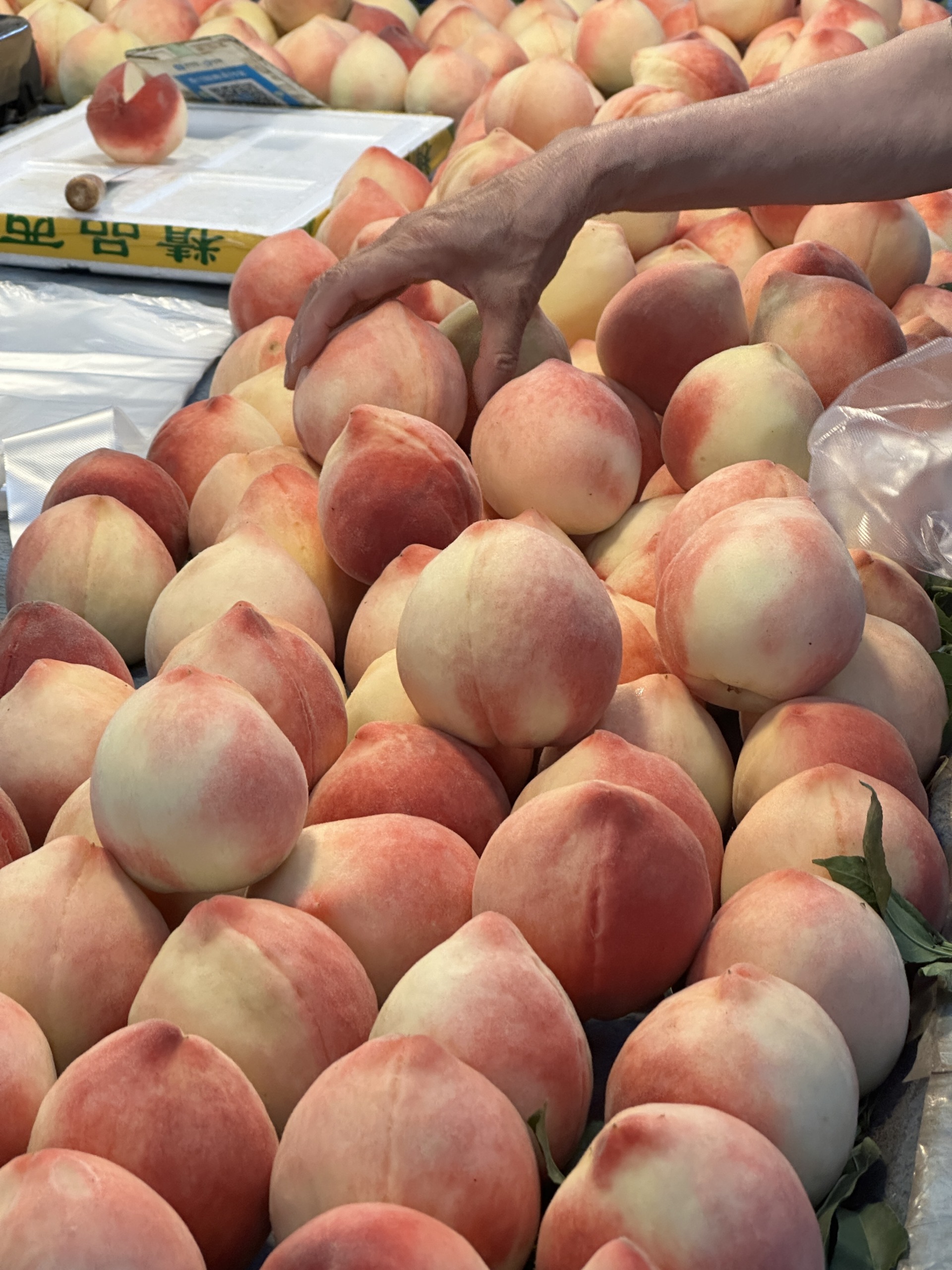
During my time at the Yanguanzhai field school, peaches were at the height of their season. The location of our dig took place on a farm, near a peach orchard. There was one day where we picked the peaches from the tree, and they were so satisfying and delicious.
5. Utilize your university’s resources
Most of the time, universities provide a free and accessible VPN to their students. This would be the university you’re currently attending, mine was CalState LA. With an easy process, I was able to download an app and sign in with my school ID. This could range from VPN’s to Adobe products that could be used for projects, or other additional services. It’s easy to overlook and not know about these existing accesses.

5. Test your eSIM before you lift off
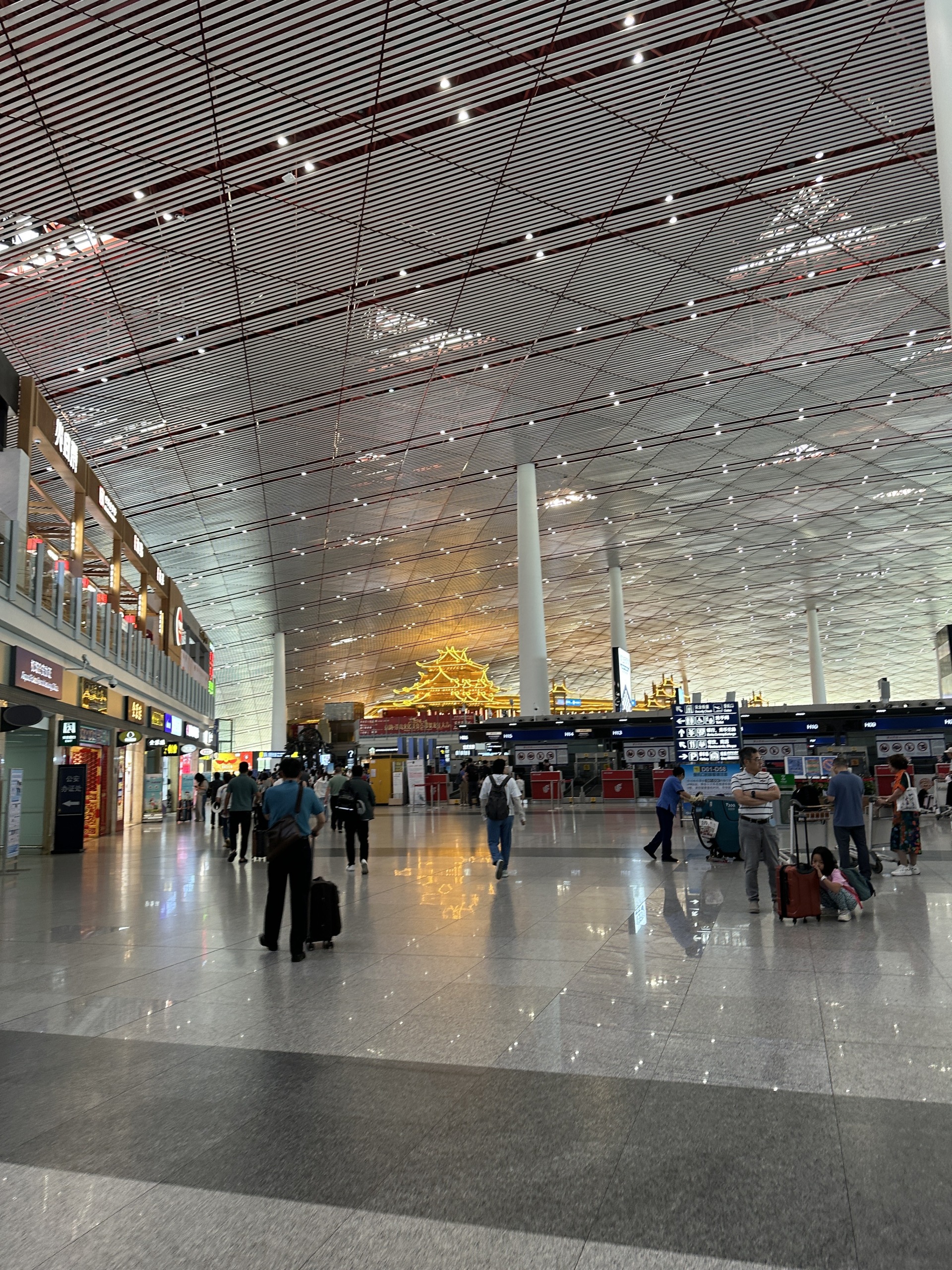
I decided to get an eSIM for my travels. I turned on the application when I first got to the airport. After 15 hours on the airplane, I got to my destination to find I had no way of contacting anyone. The airport’s WIFI required a cellphone sign-in, which I did not have. BUT THANKFULLY…
6. Download your syllabus on your devices
I was grateful to have this downloaded to my phone. I wanted to review the exposition of the program, and have a copy of my final location. I was able to show it to the taxi driver since I am in no way fluent in Chinese. Knowing another language is a huge life hack.
7. Bring personal snacks and handy things to the site, just in case
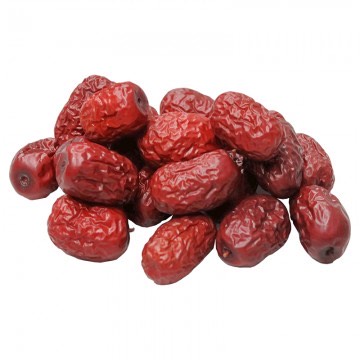
I found a new favorite snacks during this trip, and brought them to the site with me. On some occasions, I brought a surplus of snacks to share with the workers and the teaching staff. Additionally, I found that bringing bandages was a great convenience. Standard bandages helped others in the case of small cuts or blisters during the dig. Hand sanitizer is always a must.
8. Double cleanse your face, if you can
So much dirt is picked up on your body from the dig. I realized far into the program that I should have been double cleansing because the dirt was never completely washed off of my face. Next time, I would start with an oil cleanser first, then a regular facial cleanser after. Facial care routines are for everybody. Lastly, don’t forget to clean your ears and nostrils. I constantly found dirt in these places.
You’ll be sure to find some of your own life hacks during your travels. I hope you find these tips helpful on your journey. These suggestions are made to make the best use of your time efficiently. Some of them are maybe more obvious than others, but sometimes they’re forgotten or meant to spark more creative ideas. Good luck on your adventures!
Share this article
Follow us
Latest articles
March 9, 2026
March 9, 2026

March 9, 2026