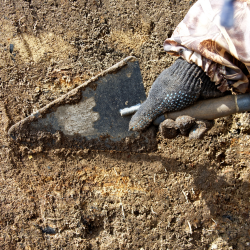
Every November, institutions across the country come together to celebrate First-Gen Week, an initiative launched to recognize the accomplishments and experiences of those who are the first in their families to pursue higher education. It’s a moment to honor not only the barriers they’ve broken, but also the pathways they continue to create for those who follow.
At IFR, we’re proud to celebrate the first-generation members of our own community and their stories which reflect the heart of field science itself: curiosity, determination, and grit. This week, we’re amplifying a few of those voices. IFR students, alumni, and staff share their success stories and what it has meant for them to be first in the field—including their advice for other first-gen students preparing to take that same leap. Join us in celebrating these inspiring stories.
Sandra Rivas
IFR Alum, Belize: Actuncan Excavation 2024
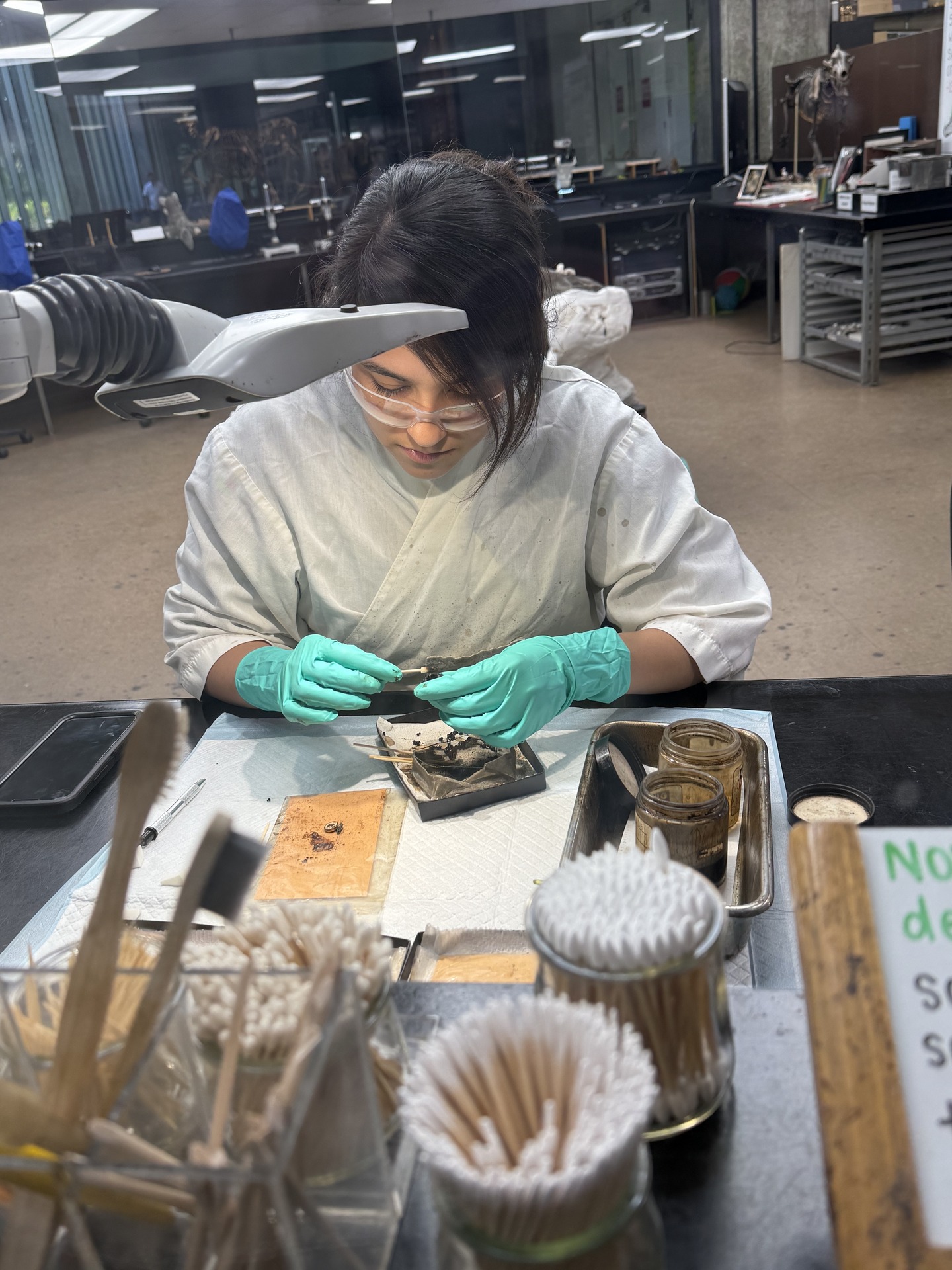
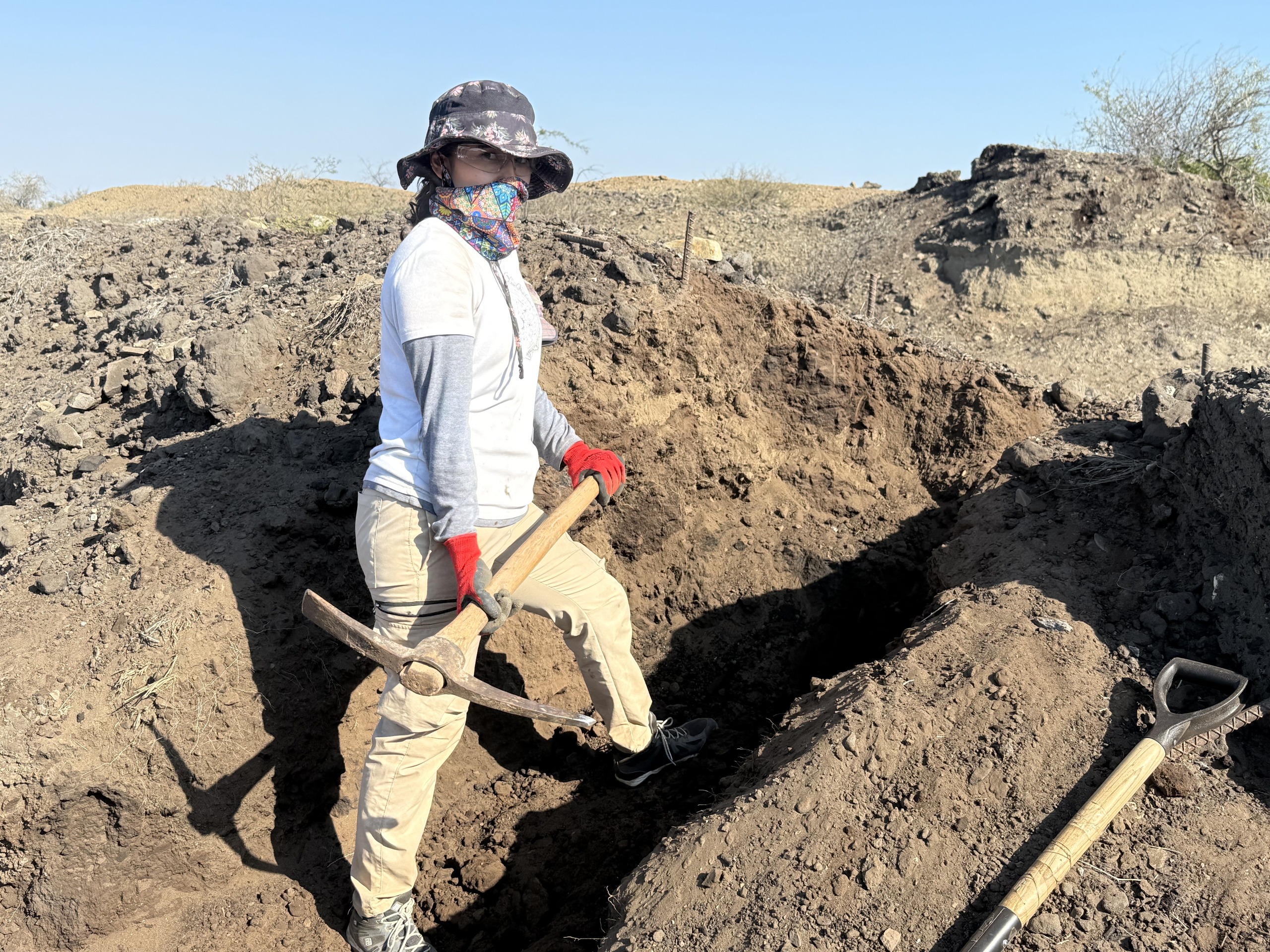
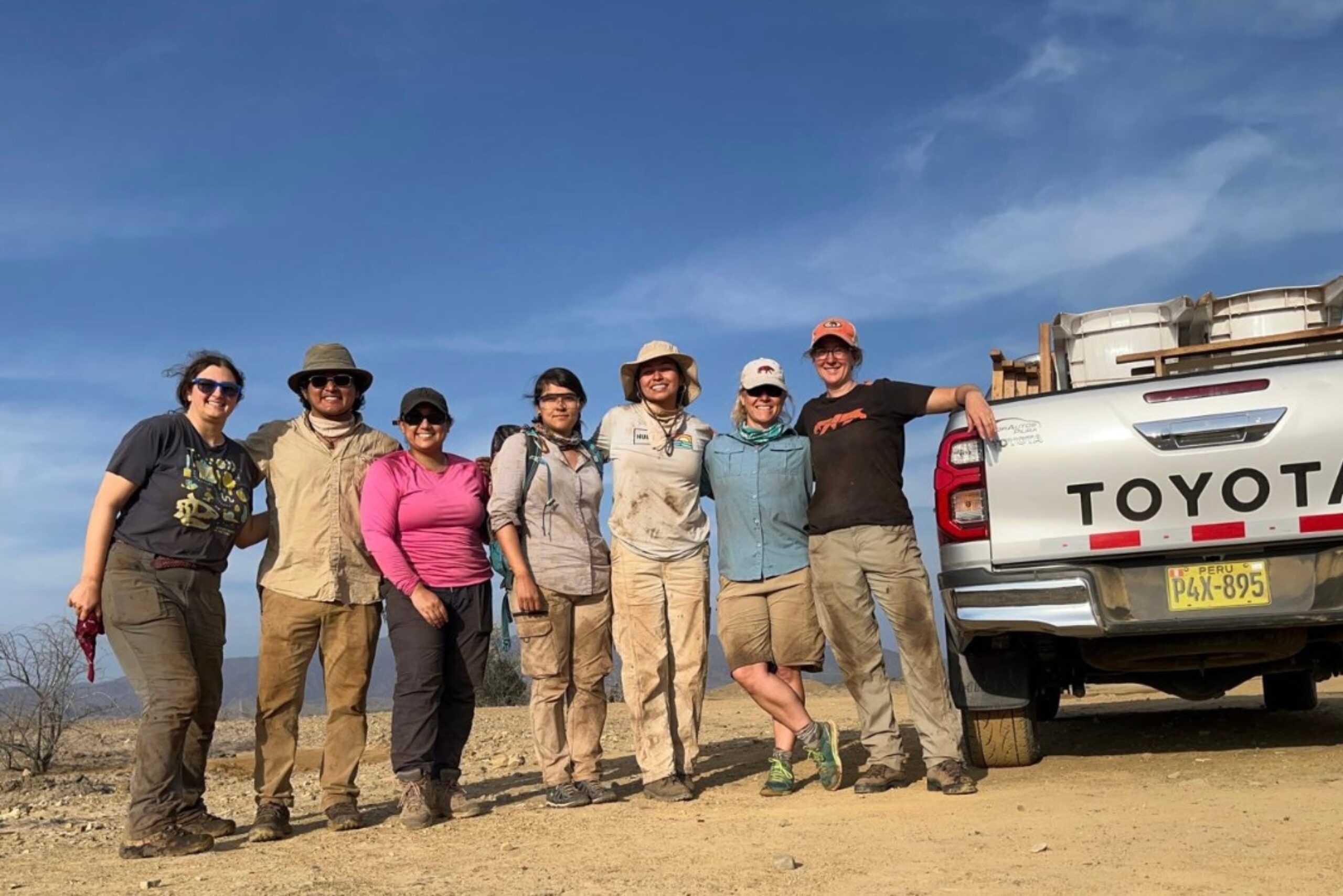
Being a Hispanic first-generation college student who earned a bachelor’s degree in Anthropology and is now pursuing a master’s degree represents more than just my personal aspiration for success; it is also the embodiment of my parents’ lifelong efforts and sacrifices. My family’s love and support have allowed me to pursue higher academic opportunities despite facing financial obstacles. I had the privilege of having both of my parents attend my graduation and witness, for the first time, one of their children earn a university degree. To me, being a first-gen student is a milestone that many individuals, unfortunately, are not able to prioritize. I have seen firsthand how financial hardships serve as a deterrent to educational development, which has made me value all opportunities that present themselves even more than before.
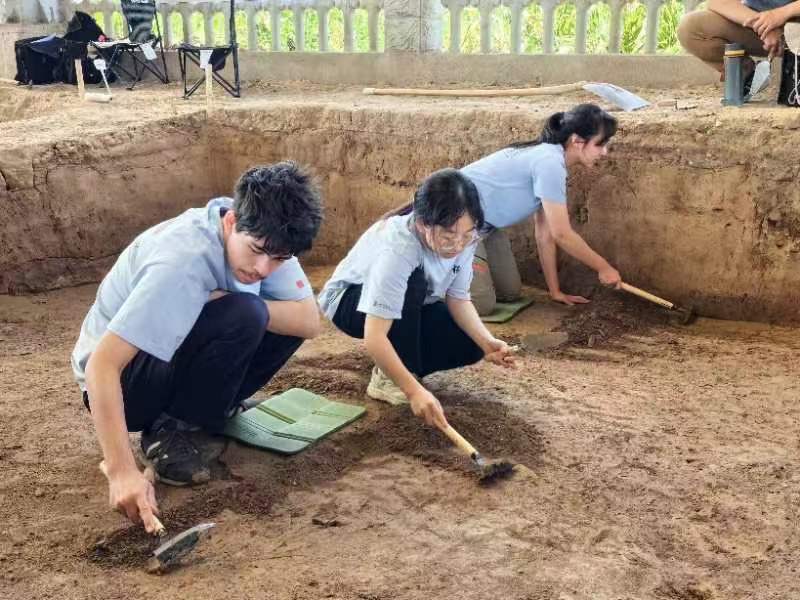
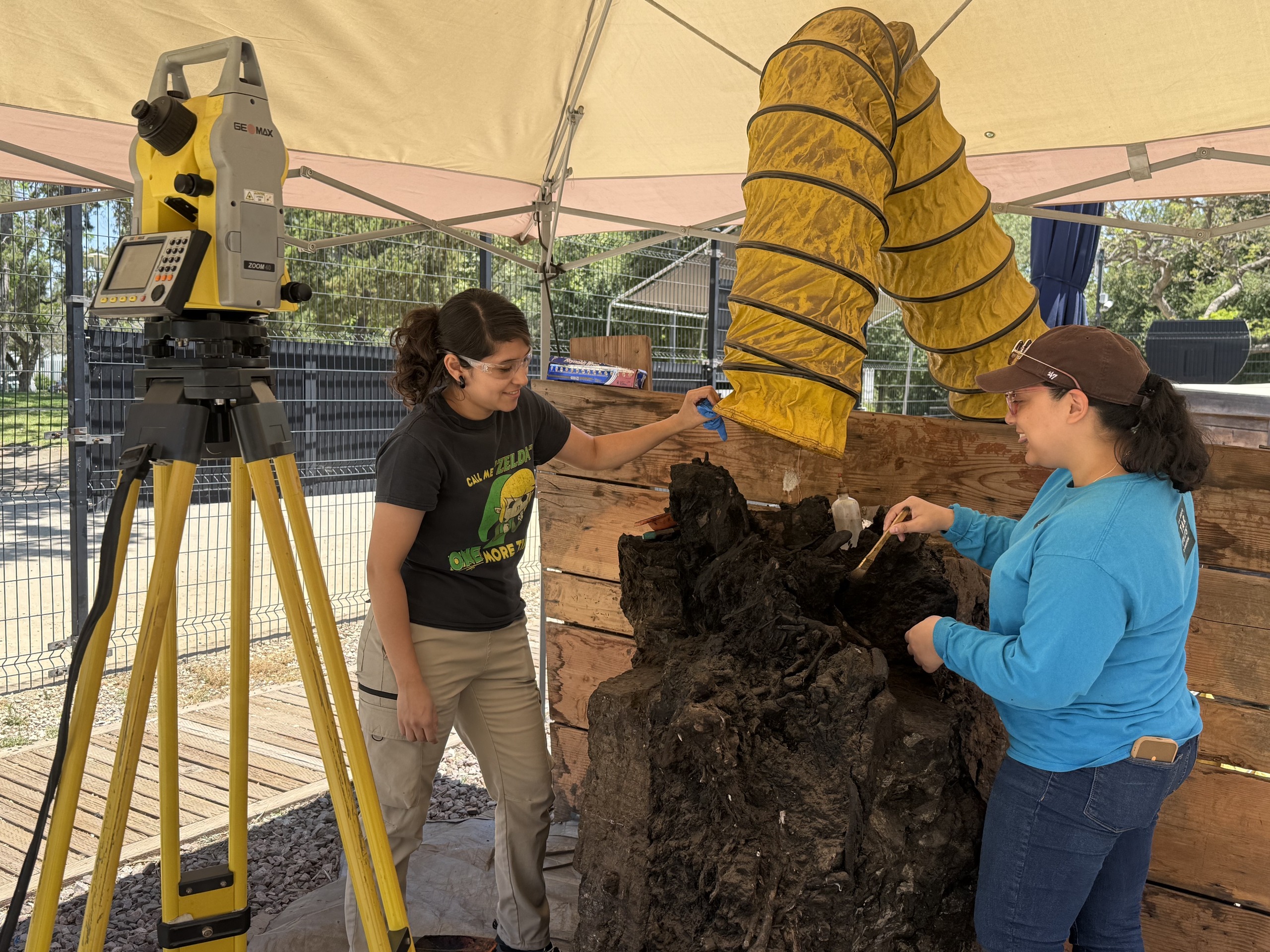
Being the first in my family to enter the field of science has given me a deep sense of pride. I enjoy sharing my experiences from excavations and curation techniques with my family, allowing them to understand the hands-on side of my work. Each excavation offers a new perspective on how education can be approached and inspires innovative methodologies for teaching and research. It has challenged me to develop stronger critical thinking skills and perseverance while adapting to diverse environments.
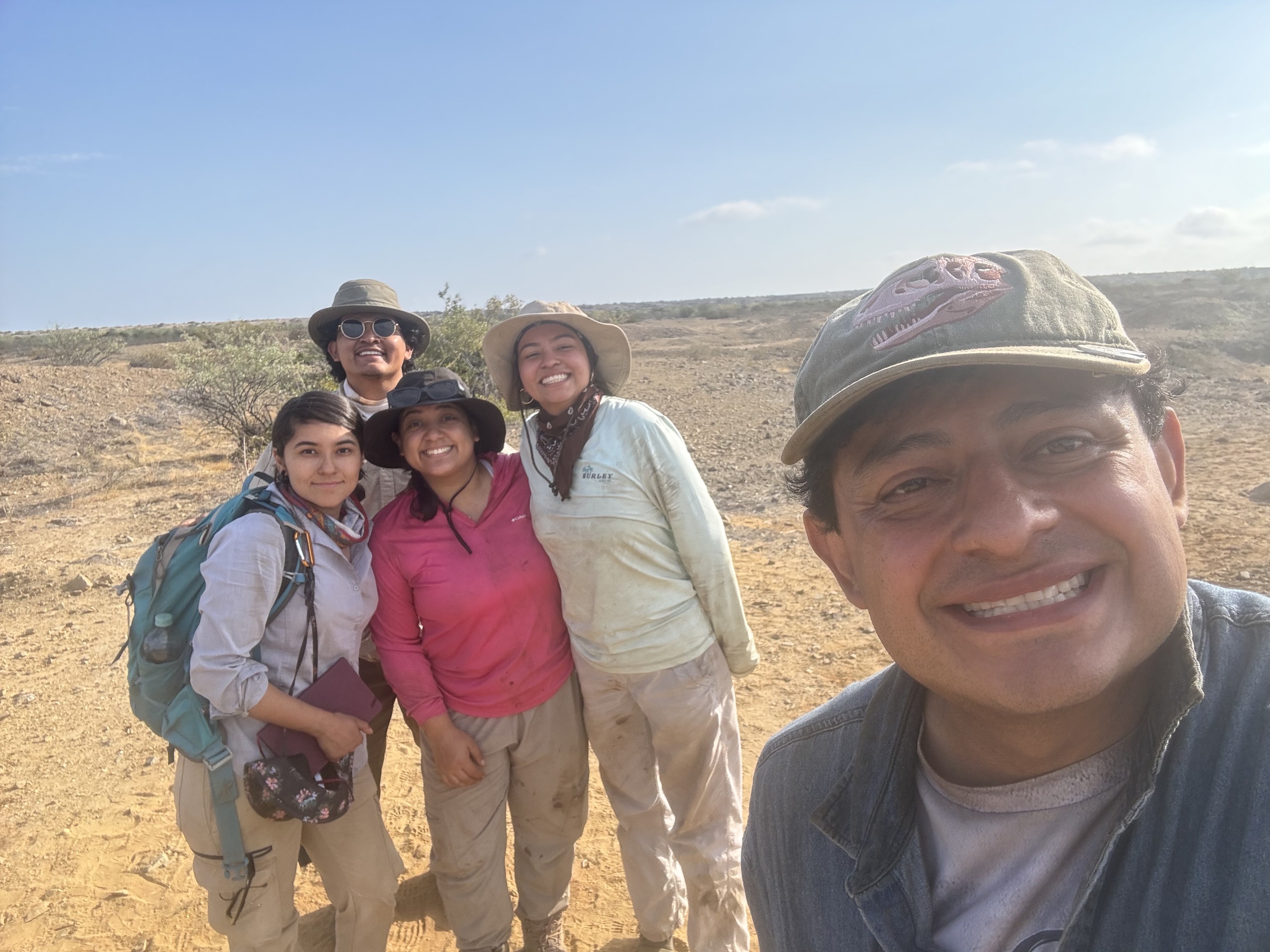
After my field school in Belize, I continued to work part-time to fund my educational pursuits and began applying to master’s programs and field schools. I was accepted into the master’s program under Dr. Ainis at California State University, Los Angeles, and I applied to a field study in the summer of 2025 to be 1 of 4 participants to conduct field work under the guidance of experienced paleontologists and taxonomists in a northwestern asphaltic site in Peru to understand climate change within the region. The study included training before attending the field, the field work in Peru, and finally, upon returning, participating in the drafting of a manuscript.
Initially, I felt underprepared for this opportunity, as I had little experience with paleoanthropological sites. To better prepare myself, I emailed Dr. Emily Lindsey for any articles that I could have read before applying for this fieldwork to become more familiar with the work that was being conducted on the site or the methods that were being used. Luckily, Dr. Lindsey was very supportive and helped me learn more about the goals for this project. After being chosen to participate, I was so excited to work again on a field crew with people who shared my passion for archaeology. From this experience, I was able to make new friends and learn so much from different fields within archaeology.
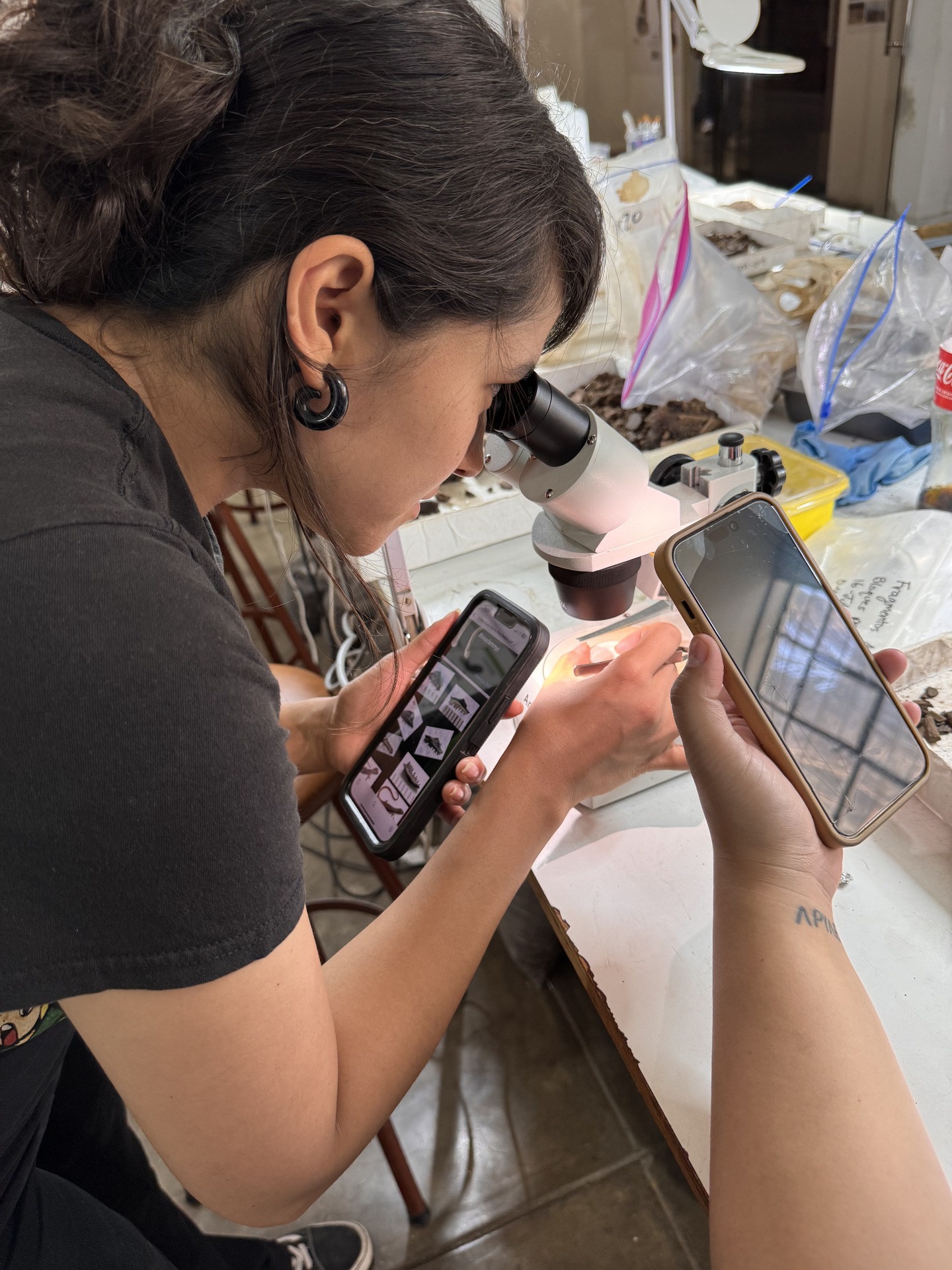
Working on a field crew composed of individuals with diverse areas of expertise is incredibly valuable. A team made up of professionals from different but related disciplines brings a range of perspectives and skills that strengthen collaboration and enhance the students’ overall learning experience. Currently, I am working with mentors from the La Brea Tar Pits and Museum to write the manuscript from this field study. I also applied and was accepted in early October to be a volunteer at the La Brea Tar Pits and Museum fossil lab.
A moment I felt especially proud of was winning the Vera Campbell Scholarship, as it reshaped my belief in what was possible; in a weird way, it showed that someone like me could earn recognition and financial support for their education. Before applying to the Institution for Field Research, I remember thinking that without the scholarship, it would be impossible to pay for this experience. Because I was so determined to go, I would pester my teacher Dr. Saldana constantly for her feedback on my scholarship letter, and I was surprised when I received the congratulations email stating that not only was I accepted into the Belize field school, which was my first choice, but that I had won the Vera Campbell scholarship to help pay most of the expenses. I remember running to my mom with the news and telling her that I had been accepted to attend a field school and won a scholarship for it, and I remember her crying and jumping with me. At this moment, something changed in my views of applying for funding to support educational pursuits. I was so scared of failure and being rejected that I avoided applying because I never felt good enough to apply. But I quickly learned that the only way to be certain of rejection is by not applying at all. After winning my first scholarship, I applied for my master’s, and I was accepted. Then I applied to be a participant in a field study in Peru and was also accepted. I soon realized that it’s never too late to apply yourself for opportunities you feel are out of your reach, because sometimes all of that doubt is in your head.
It’s hard to be away from family and loved ones, but your time in a field school will show you things that you could never learn in a classroom setting. The journey ahead may be challenging, but if you’re truly committed to this career path, I strongly recommend gaining firsthand experience in the field. From my own experience, I’ve learned that field conditions can be demanding and may not suit everyone, but they provide invaluable insight into the realities of the work. Above all, always work hard and make good first impressions, because you could one day be working with those same mentors down the line, so always put your best foot forward.
Even if it seems like no one is there to help you through these educational pursuits, your teachers are always willing to help. Reach out and demonstrate your determination to turn your parents’ dream of a brighter future for their children into a reality. Learn to take rejection constructively and apply it to every opportunity that presents itself. Don’t let your background stop you from pursuing new opportunities; they’re open to everyone, regardless of where you come from or your educational background. You don’t have to be perfect; there are always people willing to help you learn and grow. These opportunities exist to expand your skills and experiences, so make the most of them.
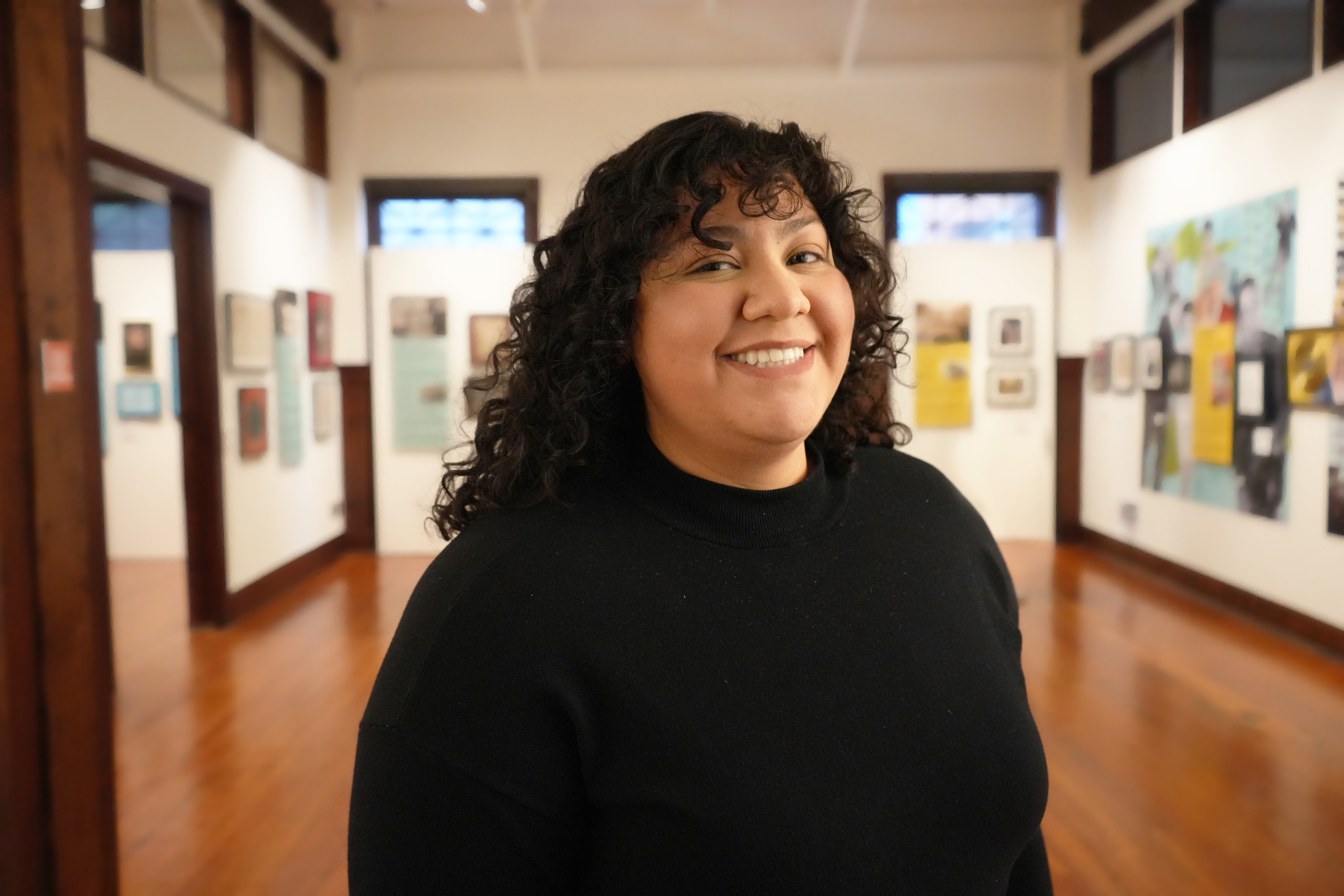
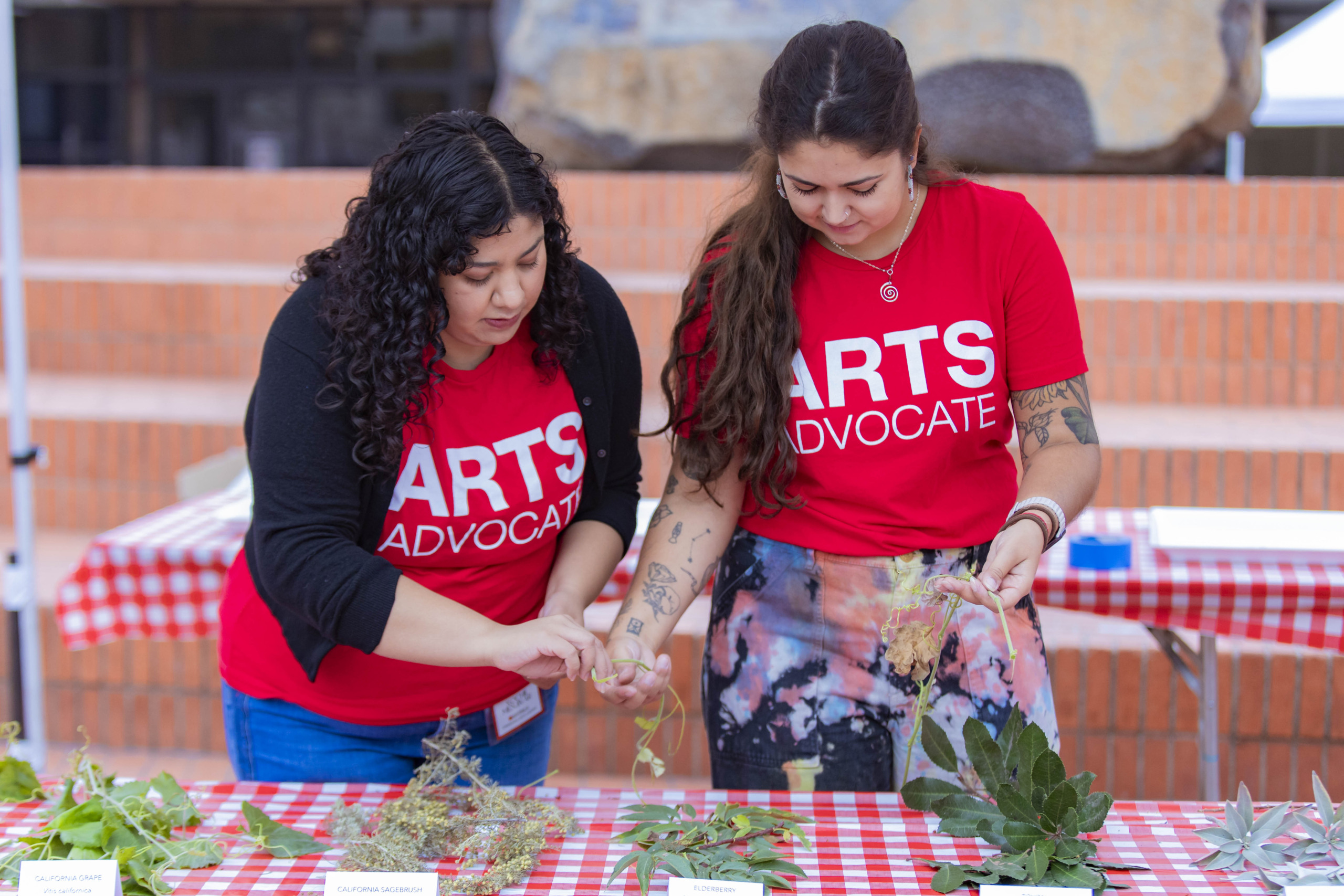
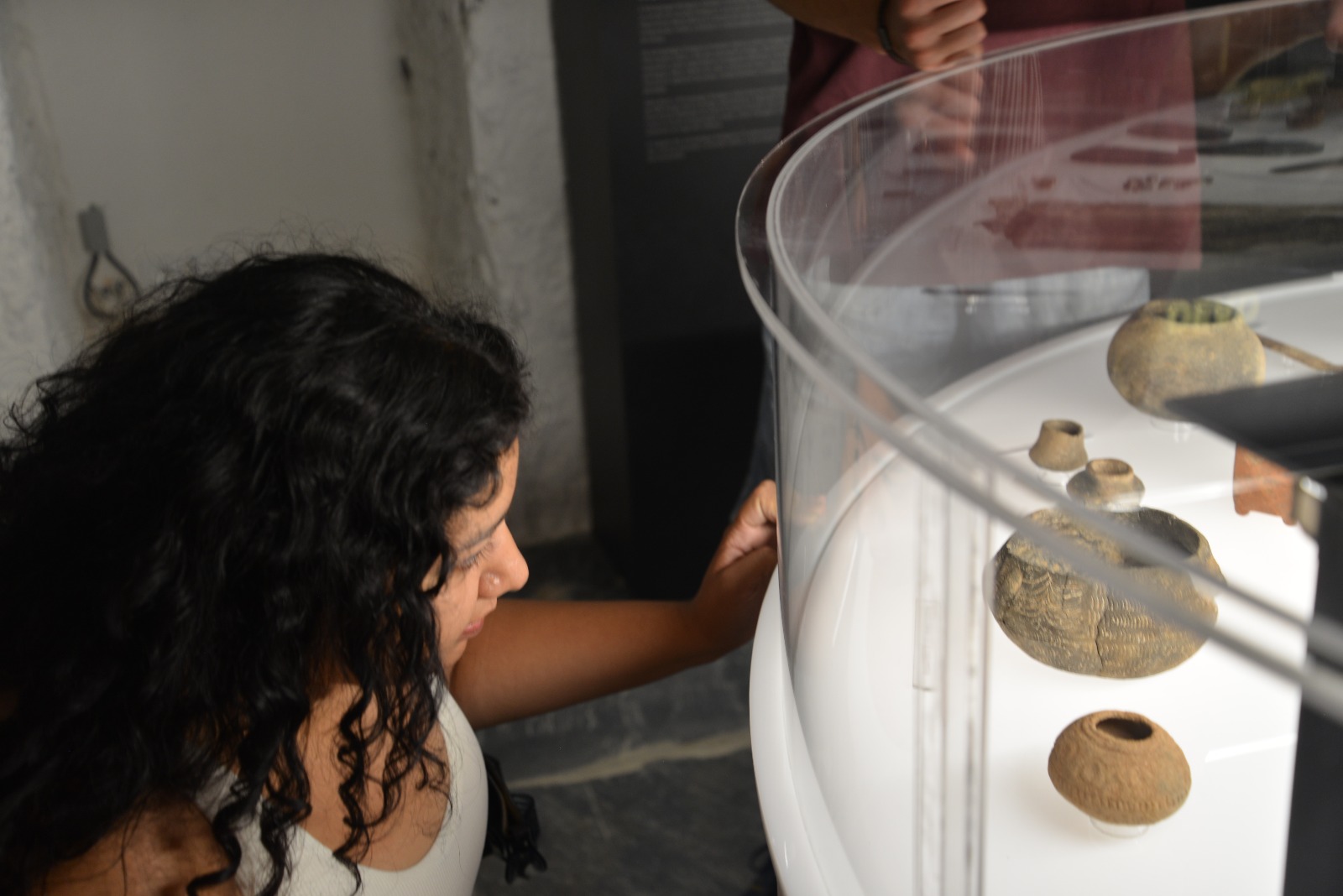
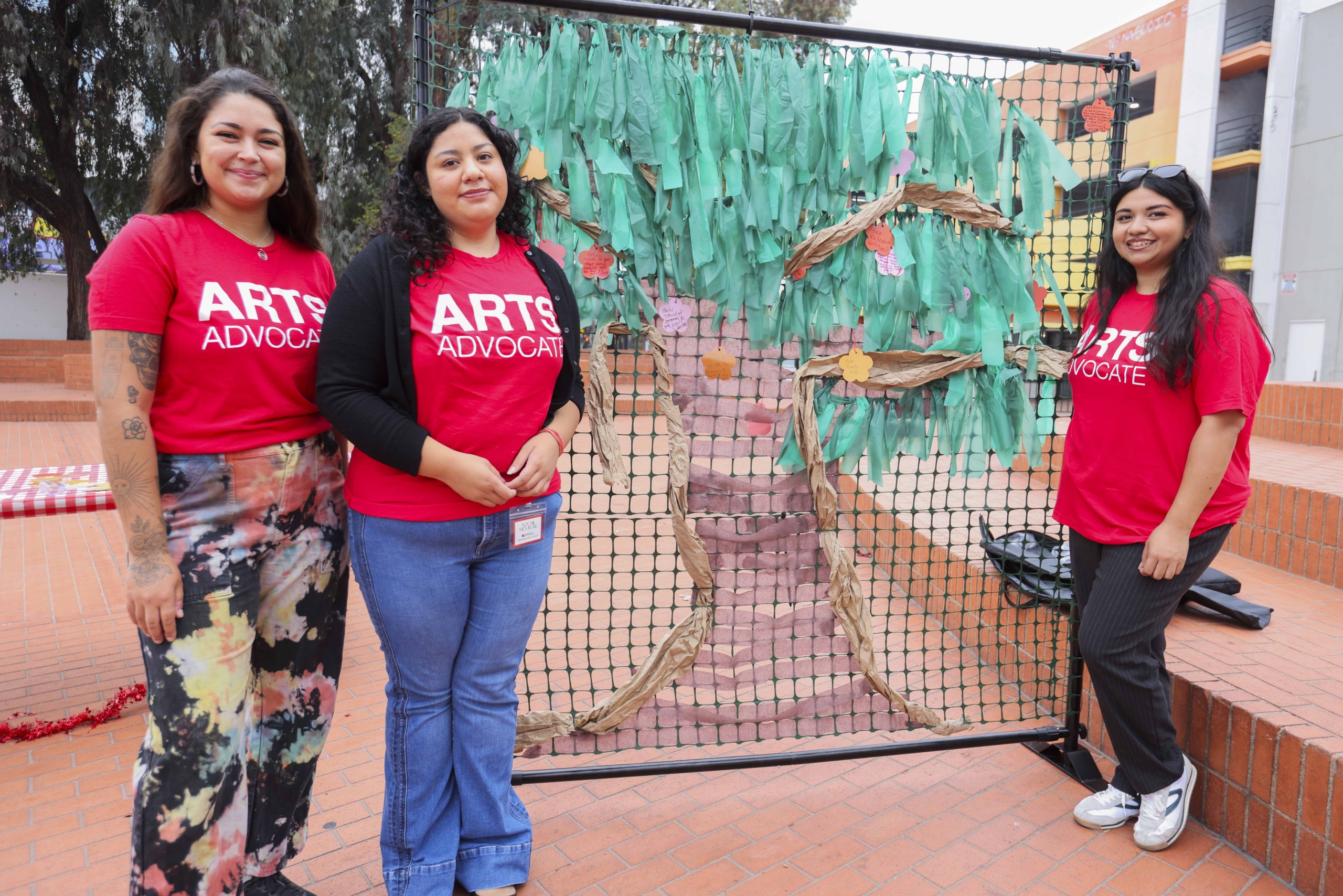

Xochil Menjivar
IFR Alum, Italy: Turin Museology 2023, Portugal: Lisbon Bioarchaeology Lab 2025
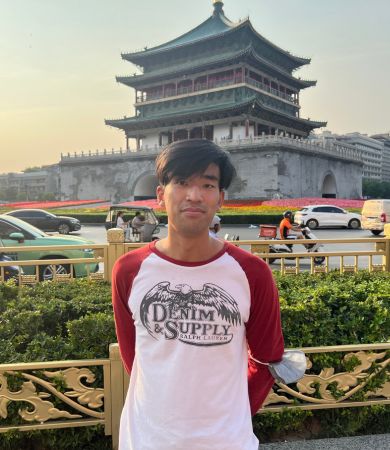
Being a first-gen college graduate means having the privilege and access to higher education. My parents and their parents before them did not have that choice open to them. In turn I do and it means everything to me from experiencing new situations to navigating unfamiliar academic and cultural paths.
For me being first in the field was exciting. My only exposure to field sciences were what I saw in movies and tv shows which aren’t the most accurate, but gave a good idea what was possible. To me it was exciting being the first to travel and work hands-on in the field and it gave me a sense that I could contribute to meaningful research that had previously been limited.
I think many people take for granted systems of support. Especially when parents have an understanding of this field and where it can lead others don’t. It is much easier to follow traditional career paths that are well known such as doctors rather than paths that are considered niche or unknown. Similarly I had to do my own research of what I can do in this field which can be very daunting. All of this includes taking a leap of faith and understanding that you may have to take a chance because you have a passion for this field.
One of my proudest moments would be coming back from my field school. There was a moment on the plane ride back to Los Angeles that I had a real chance to reflect on all the things I had done. I couldn’t help but be proud of myself from applying, organizing, and taking part in field research. I was surprised by what I did. I became the first person in my family to study abroad, travel to Europe, and study Anthropology. I realized that these were very big achievements I should be proud of.
To other first-gen students I would say do not be afraid to ask for help. There are many people who are more than happy to answer questions or guide you through what may seem to be a difficult process. But, above all else, do not sell yourself short. Your experience and background is unique so apply to each opportunity you see no matter if you don’t meet 100% of the qualification. You never know if you never try.
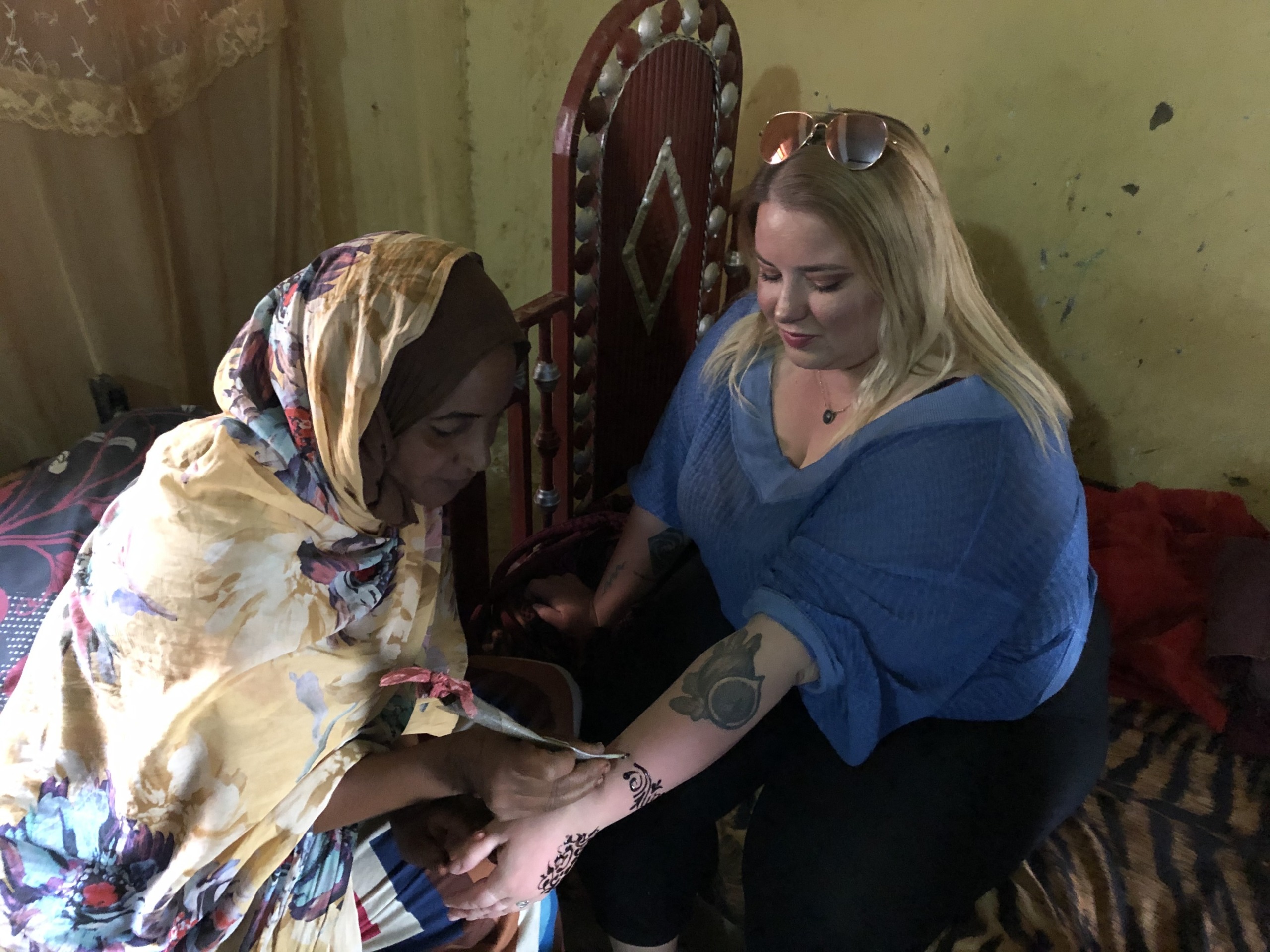
In El-Kurru, Sudan with my friend and master artist Aida. She is known far and wide for her brilliant traditional henna skills.
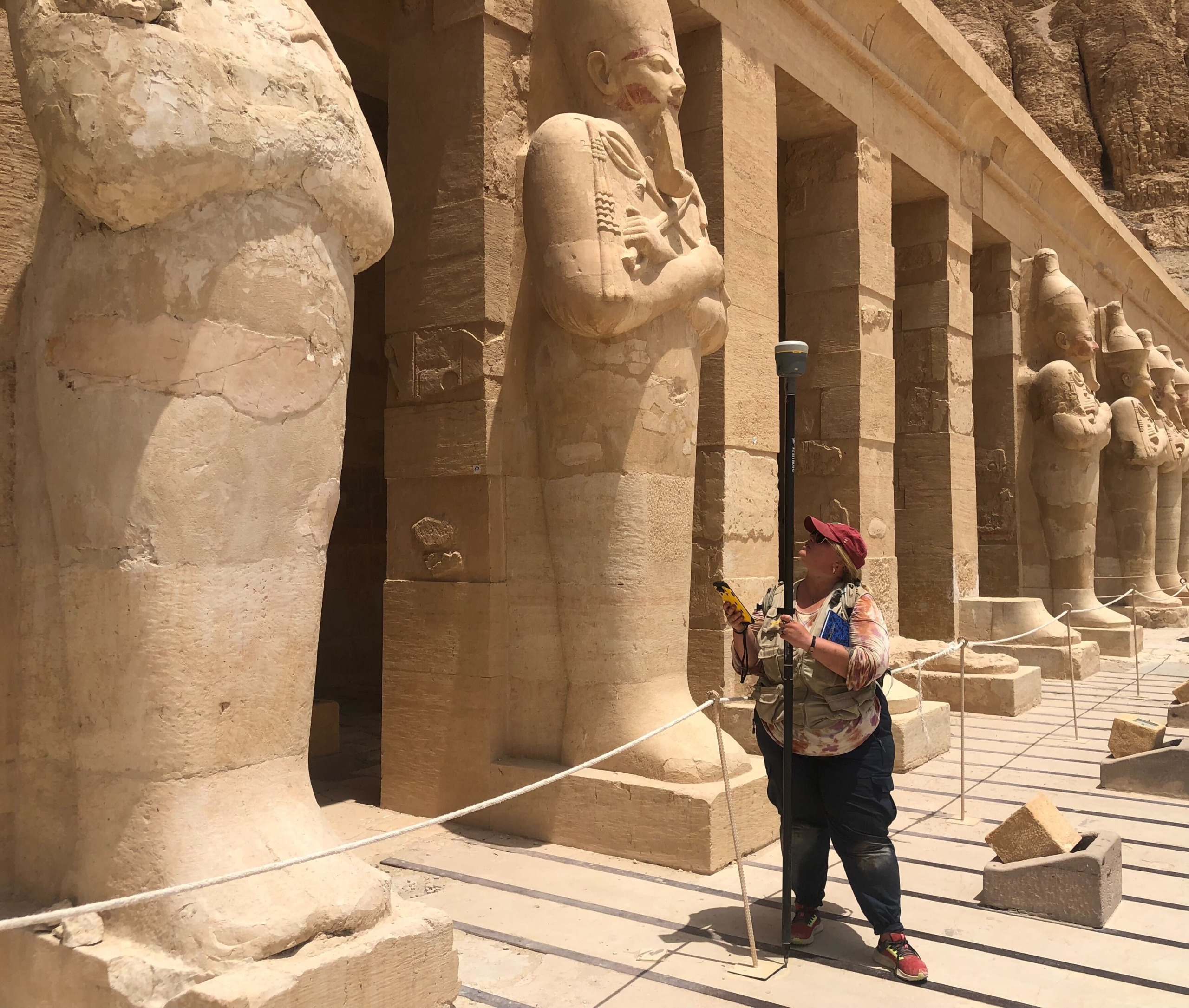
Surveying the Mortuary Temple of Hatshepsut, Deir el-Bahari, Luxor, Egypt

Taking a break from field work, visiting Karnak Temple, Karnak, Egypt
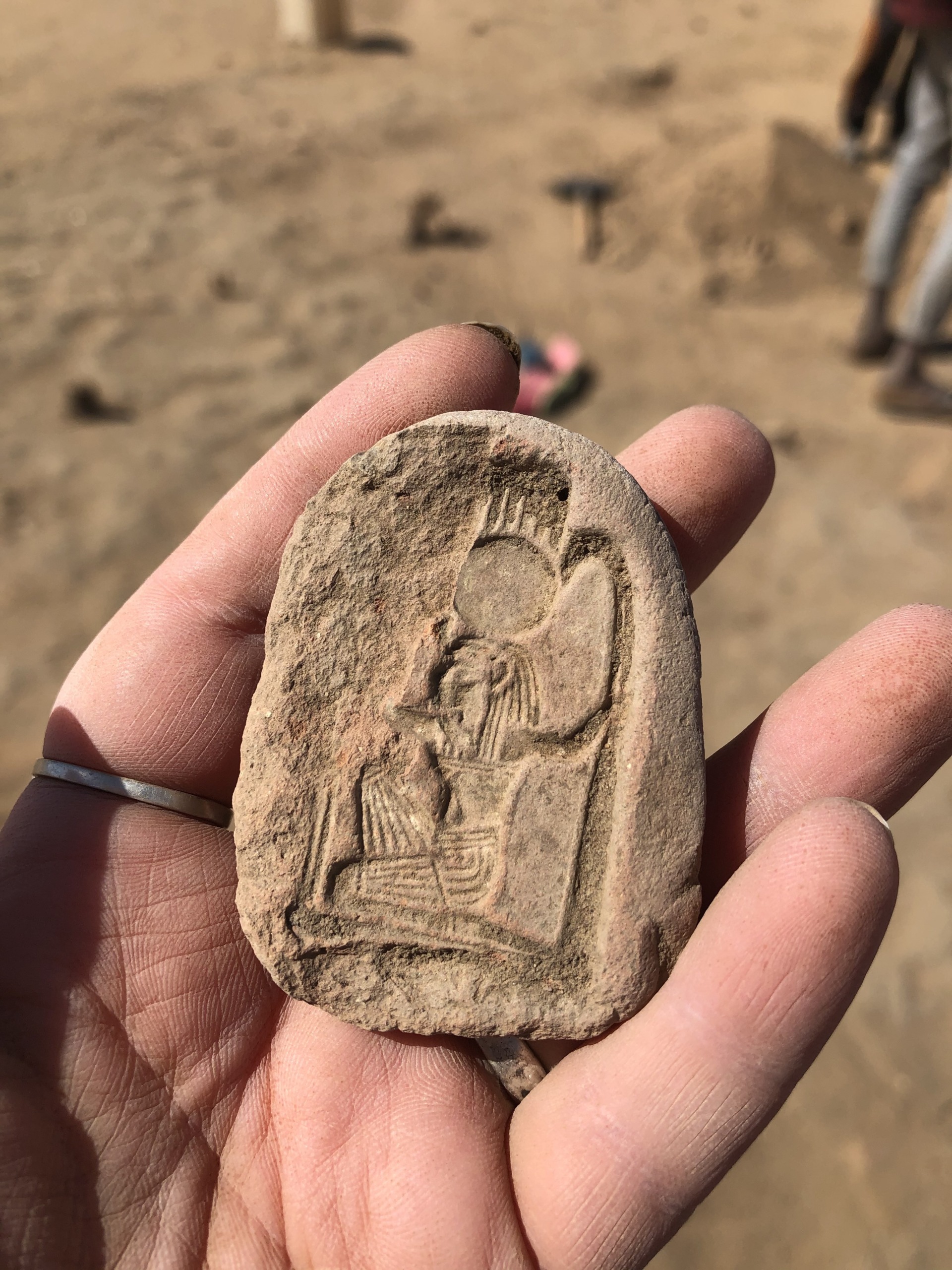
A faience mold I found while excavating the ancient settlement at Jebel, Barkal, Sudan
Kate Rose
IFR Director of Programs
To me, being first gen in archaeology is like navigating uncharted and rocky territory, without a map or compass. Instead of these traditional tools, you have to heavily rely on self-advocacy, the strength of community support, and whisper networks to decode the riddles of higher ed. Despite the challenges, the more first gen scholars in the discipline the better. Archaeology is more engaged, impactful, and productive for society at large with a strong first gen community.
There are so many aspects of the “hidden curriculum” that are not immediately accessible to first gen students. The fieldwork requirement of an archaeology education adds another dimension. Building a strong CV often requires a financial investment; it is really expensive to travel and join excavation projects. While many departments offer grants, they are often small and external funding sources are not always widely known to first gen students. In order to be competitive when applying to graduate programs, I gained as much field work as possible. I didn’t know how to confidently navigate the landscape of funding, so I had between two and four jobs at any given time through my 10+ years as a student.
Since graduating Stanford, I focused my fieldwork and research on Egypt and Sudan. As a grad student I analyzed ancient cities and cemeteries of the Nile Valley, using landscape archaeology and geospatial methods. I began working at Amarna, the famed ancient city of Ahkenaten’s design in Middle Egypt, and the ancient city of Napata now the site of Jebel Barkal in Northern Sudan- truly dreams realized. I gained skills in remote sensing methods to strengthen my approach as a landscape archaeologist in drone photography, 3D visualization, photogrammetry, thermal imaging, and LiDAR. Meanwhile, I tried to gain as much teaching experience as possible. Teaching in many different disciplines made me a better archaeologist. The courses I taught in social anthropology, Classics, human evolution, women and gender studies, writing, and medicine were instrumental to my development as a scholar.
Before coming to the IFR, I was an archaeological researcher in Germany, analyzing Bronze age sites in Northern Sudan. I also lectured at Boston University and taught GIS to local high schoolers at Harvard. Now I am working on many exciting project with international colleagues- results to be published soon!
The moment I found out I was accepted into the Harvard PhD program had an indelible impact on my family. An academic achievement of that level was something my parents never fathomed, and their pride and joy was indescribable.
My advice is to never be discouraged by thinly-veiled judgmental questions about your chosen path. It is usually something like “How will you get a job with an archaeology degree?” or “Hasn’t everything interesting already been found??” Number 1: Fieldwork gives you a level of facility with in-demand skills (such as problem solving, cooperation, critical thinking to name a few) that other industries can only dream of. You will always be uniquely poised to succeed on the career market because, not in spite, of the STEM, humanities, and cultural competency trainings central to archaeology. Number 2: No. That is a ludicrous assumption given the millennia of human habitation on this planet.
I hope you see that your older (and occasionally wiser) first gen peers are eager to support you. Especially for young women, every single first-gen scholar I know is more than willing to be a resource. There is a vast community of people who will share their experiences, lessons, and tips without hesitation. Please reach out!