
New Program! All new programs for summer 2027 are currently under review by IFR’s Academic Board. We anticipate offering this program, but changes may be made during the review process.
Overview
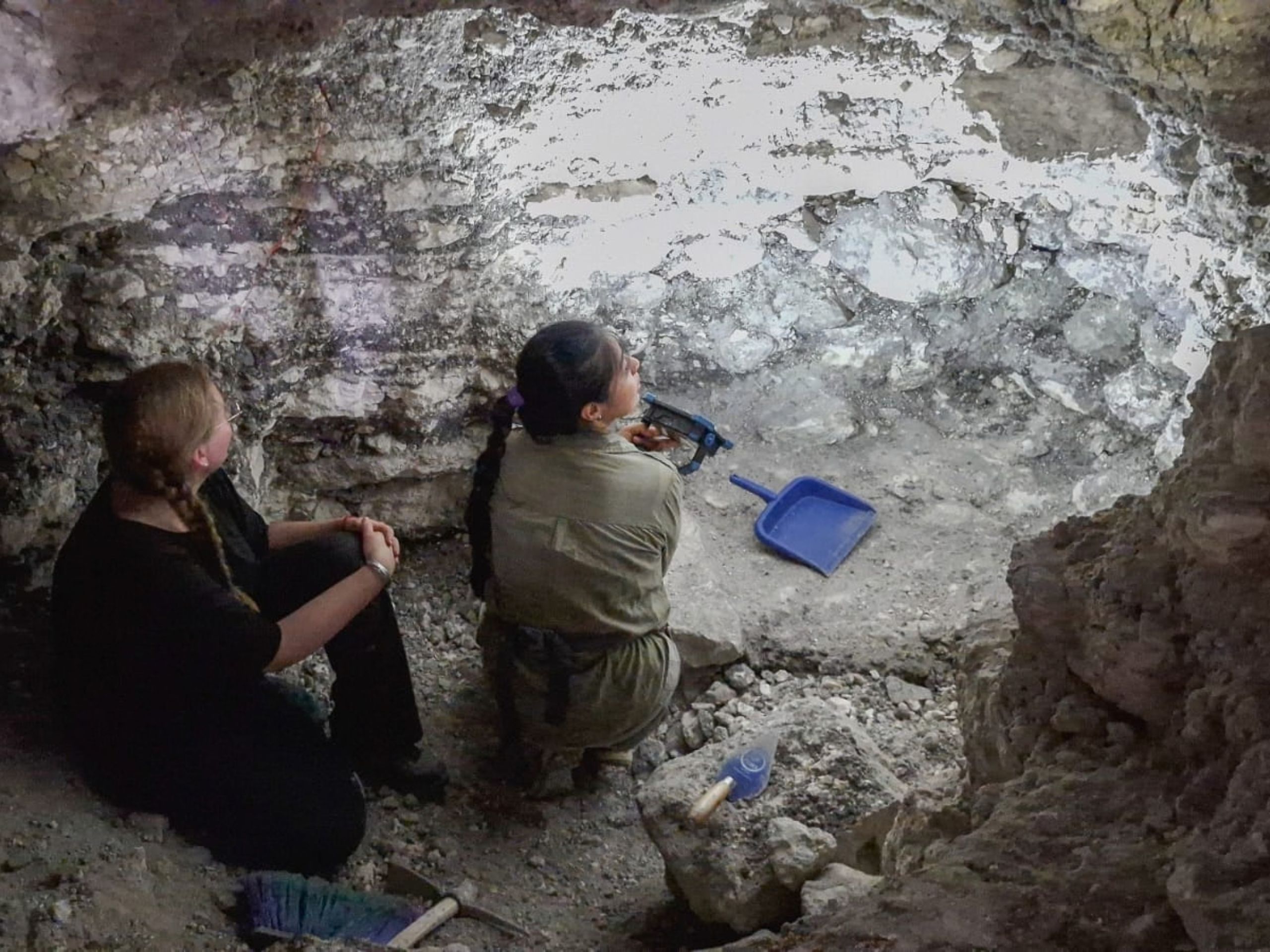
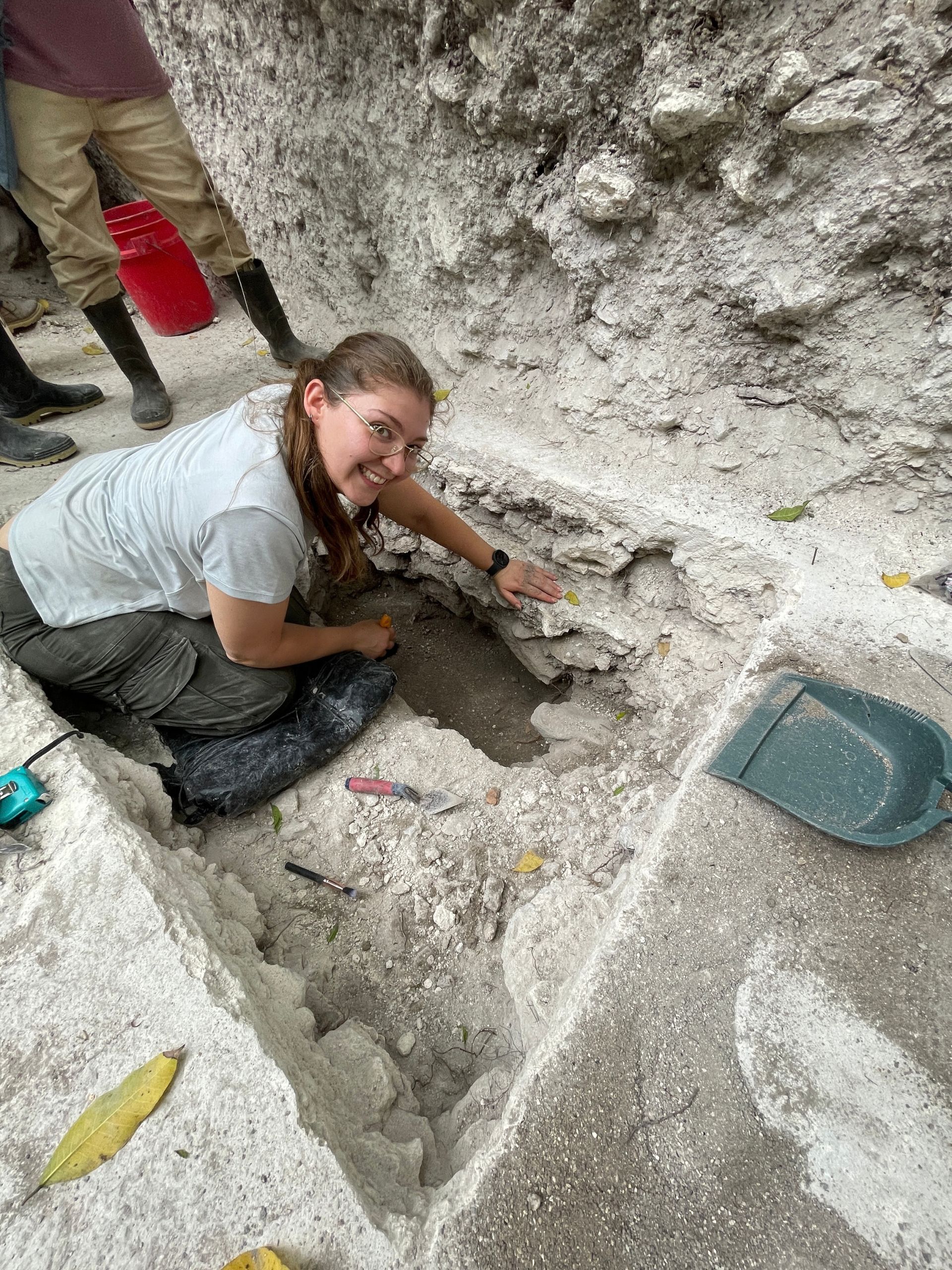
Live and work in the tropical forests of Guatemala’s archaeologically rich Petén region, excavating a vast Maya settlement that spans roughly 100 square kilometers and was occupied for more than 1,500 years. Based within the scenic Mirador-Río Azul National Park, this archaeology field school examines how ancient Maya communities organized settlements, managed water, and adapted to and reshaped the surrounding landscape throughout the centuries. Recent LiDAR surveys have exposed a roadmap of features beneath the forest canopy, and your fieldwork will help excavate and interpret them on the ground, in some cases for the first time.
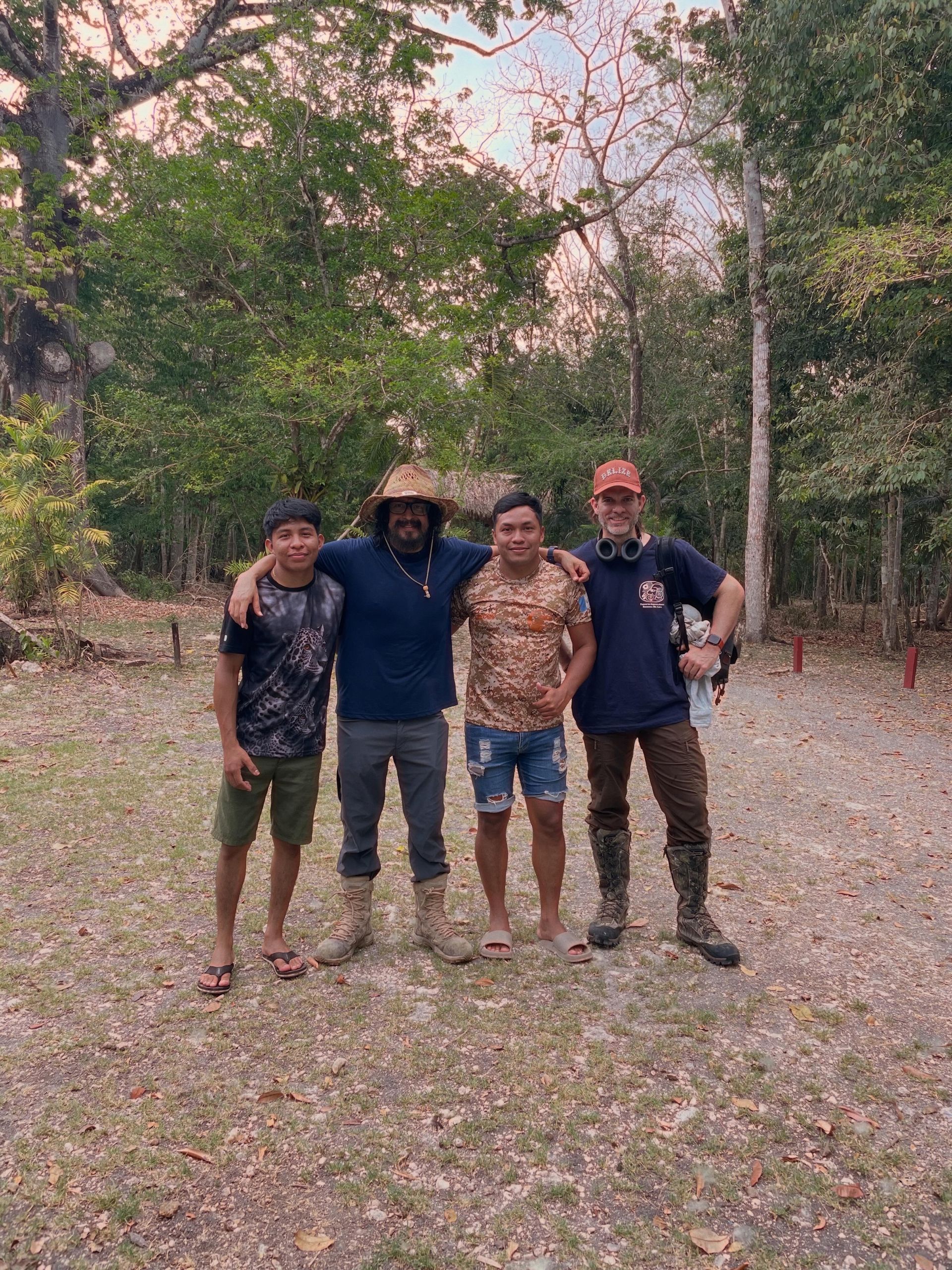
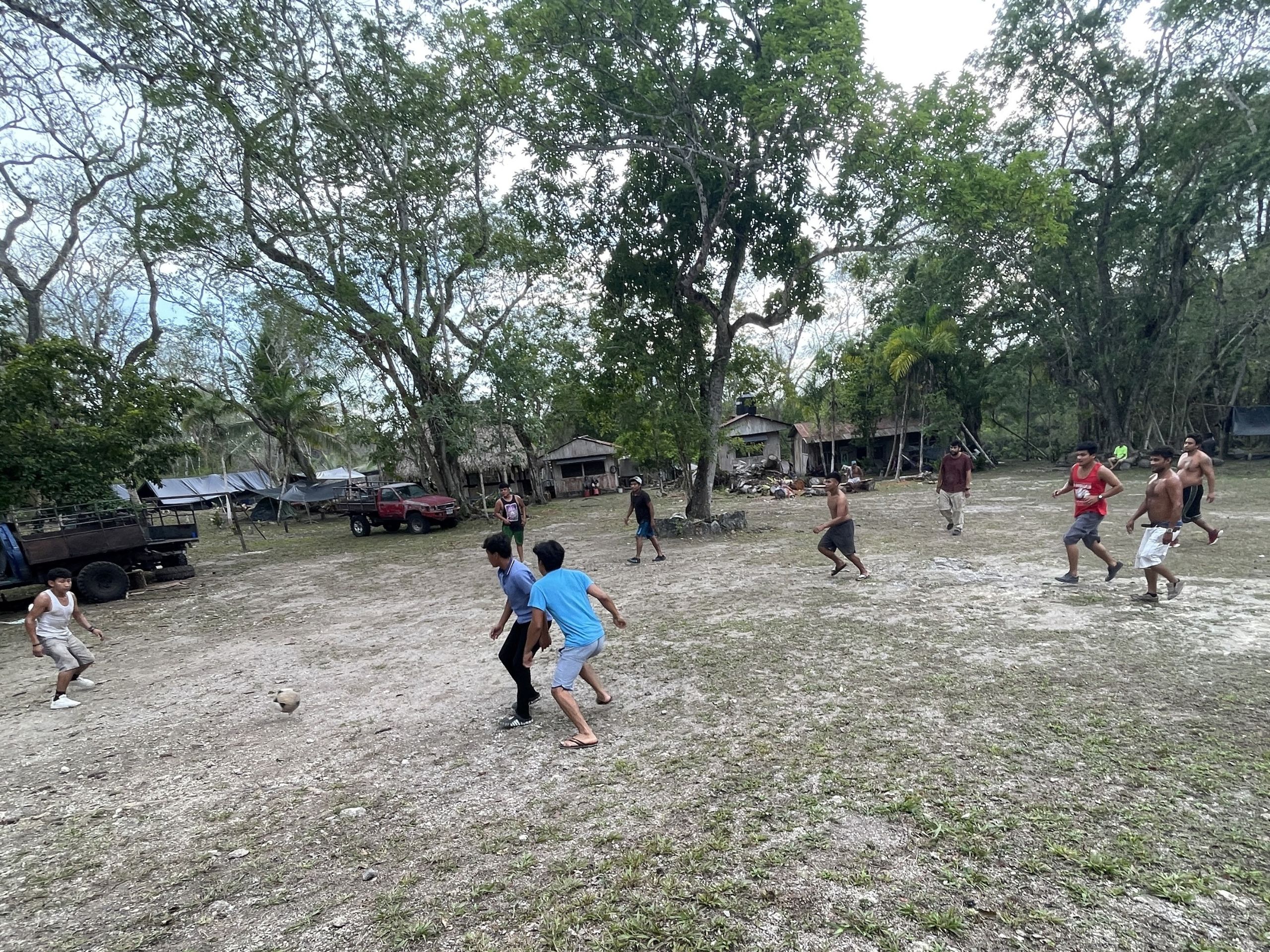
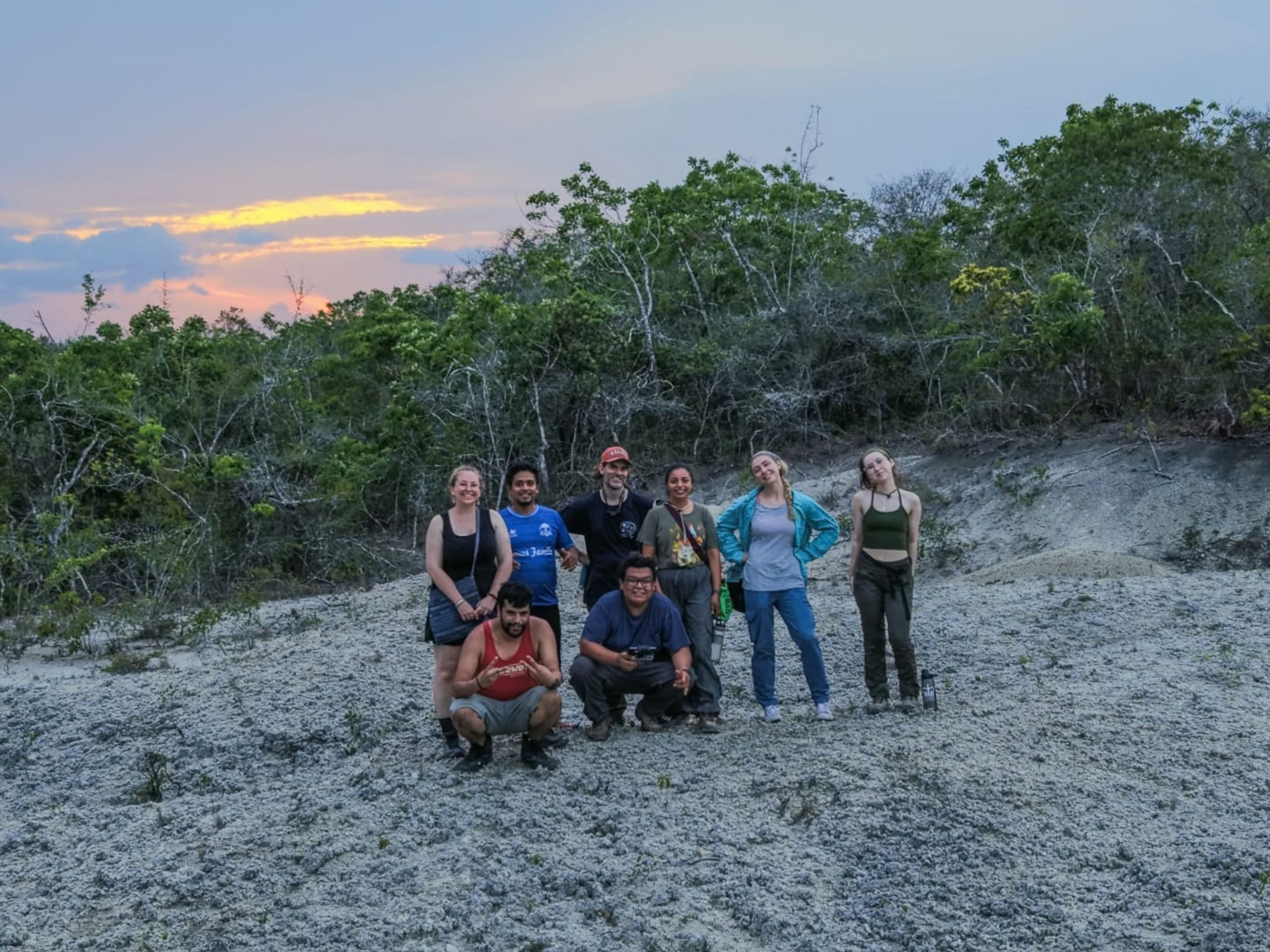
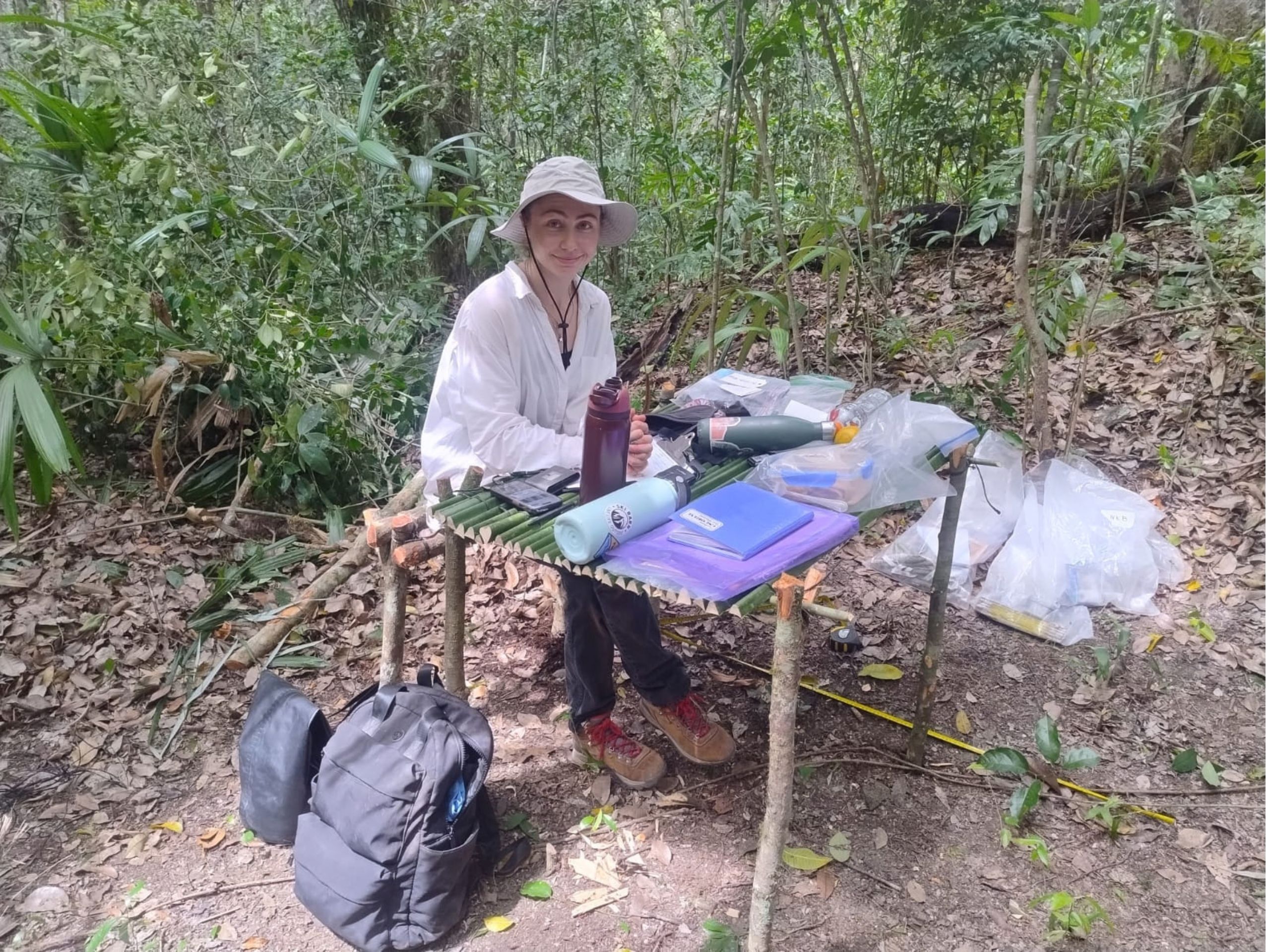
This project’s remote setting adds another dimension to the field school experience. You’ll live at an active research camp deep in the Maya Biosphere Reserve, sharing fieldwork and downtime with an international team of archaeologists, specialists, and local community members who bring generations of knowledge about both Maya archaeology and the Petén forest. Along the way, you’ll gain experience across the full archaeological research process, from survey and excavation to artifact processing.
Field school highlights:
- Learn Maya archaeology at Río Azul, the largest Maya site in northeastern Guatemala, occupied from around 600 BCE to 950 CE.
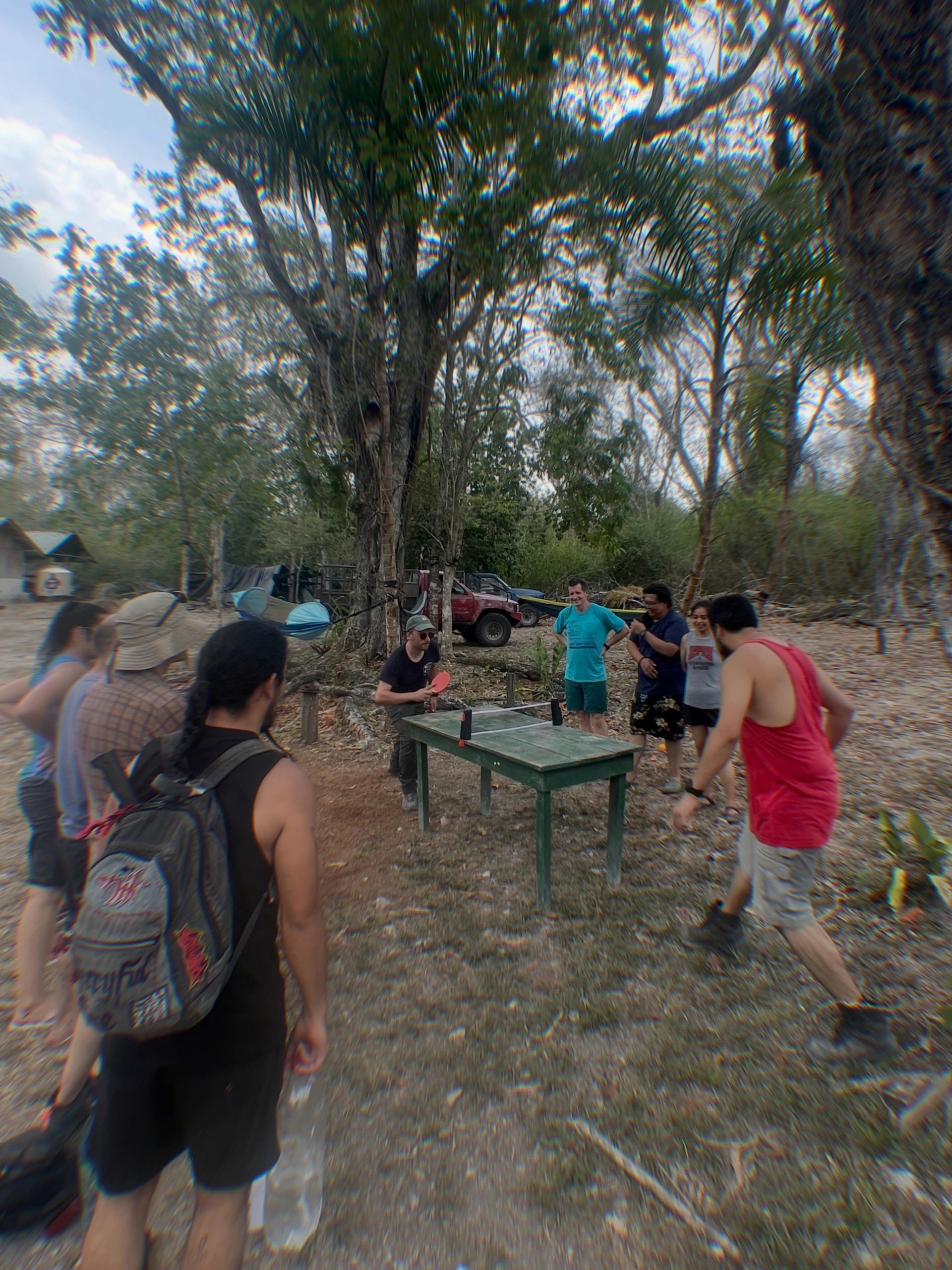
- Get the full field camp experience! Live off grid in the Petén jungle as part of a small student cohort embedded within the much larger Río Azul Regional Archaeological Project (RARAP) team.
- Enjoy an initial few days of museum visits and a guided tour of the iconic UNESCO-listed Tikal National Park before heading into the jungle for the rest of your field school.
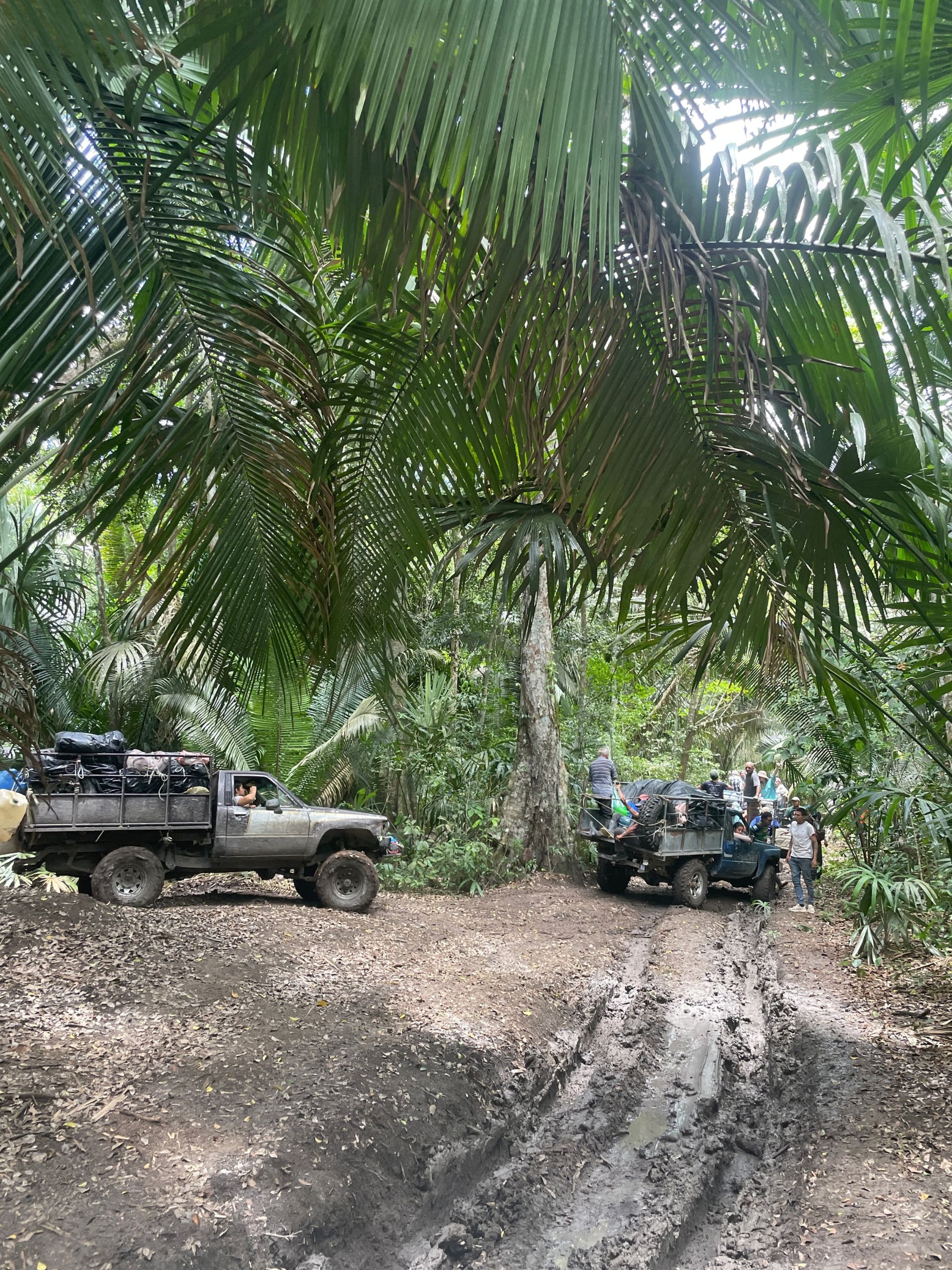
 Field Conditions: You will be camping in a remote jungle setting with limited ability to leave site. You should be prepared to walk 1-5 miles per day over uneven terrain while carrying field school supplies.
| Course Details | |
|---|---|
| Course Dates | May 14 – June 15, 2027 |
| Course Type | Excavation |
| Instructors | Dr. Carlos Morales-Aguilar |
| Credits* | TBA semester (TBA quarter) |
| Early Deadline | December 1 |
| Fees Due By | April 15 |
| Program Fees | (2027) |
|---|---|
| Tuition | TBA |
| Transcript Fee* | $350 |
| Health & Evacuation Insurance | TBA |
| Room & Board | TBA |
| TOTAL: | TBA |
Applications accepted on a rolling basis until program fills or final deadline passes.
*Please email admissions@ifrglobal.org for any application issues.
Instructors
The directors welcome emails and inquiries about the research elements of this project. More general information (tuition, health insurance, and payment schedule) can be found under the ‘Students’ tab above. Any further questions may be addressed to IFR staff. Additional details about research, course schedule, travel, accommodation, and safety can be found on the syllabus. Contacting the directors or the IFR office is encouraged and appreciated. It may help you determine if this field school is a good fit for you.
Payment & Student Fees
Application Fee: There is a $45 fee to submit an online application.
Deposit Payment: A nonrefundable $500 deposit is due within 3 weeks of program acceptance in order to secure your place. The remainder of your program fees are due by the deadline indicated under “Course Details”.
*Transcript Fee & Academic Credit Opt Out: If you wish to participate in an IFR field school without earning academic credits, you will not be charged a transcript fee.
For more information about payment, fees, and policies, please see details under our Payment & Finances and Withdrawal and Cancellation Policy pages.
Accommodations
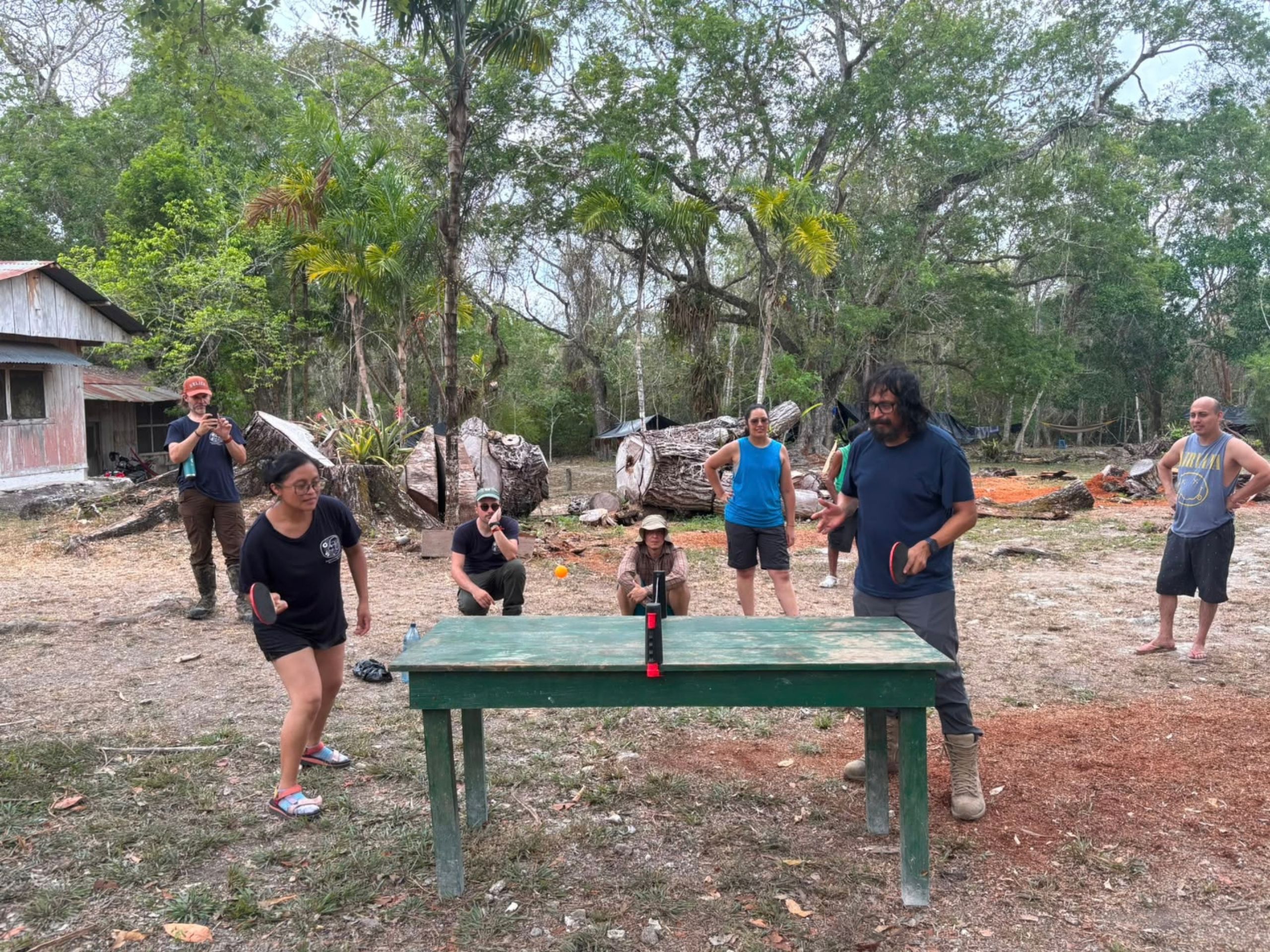
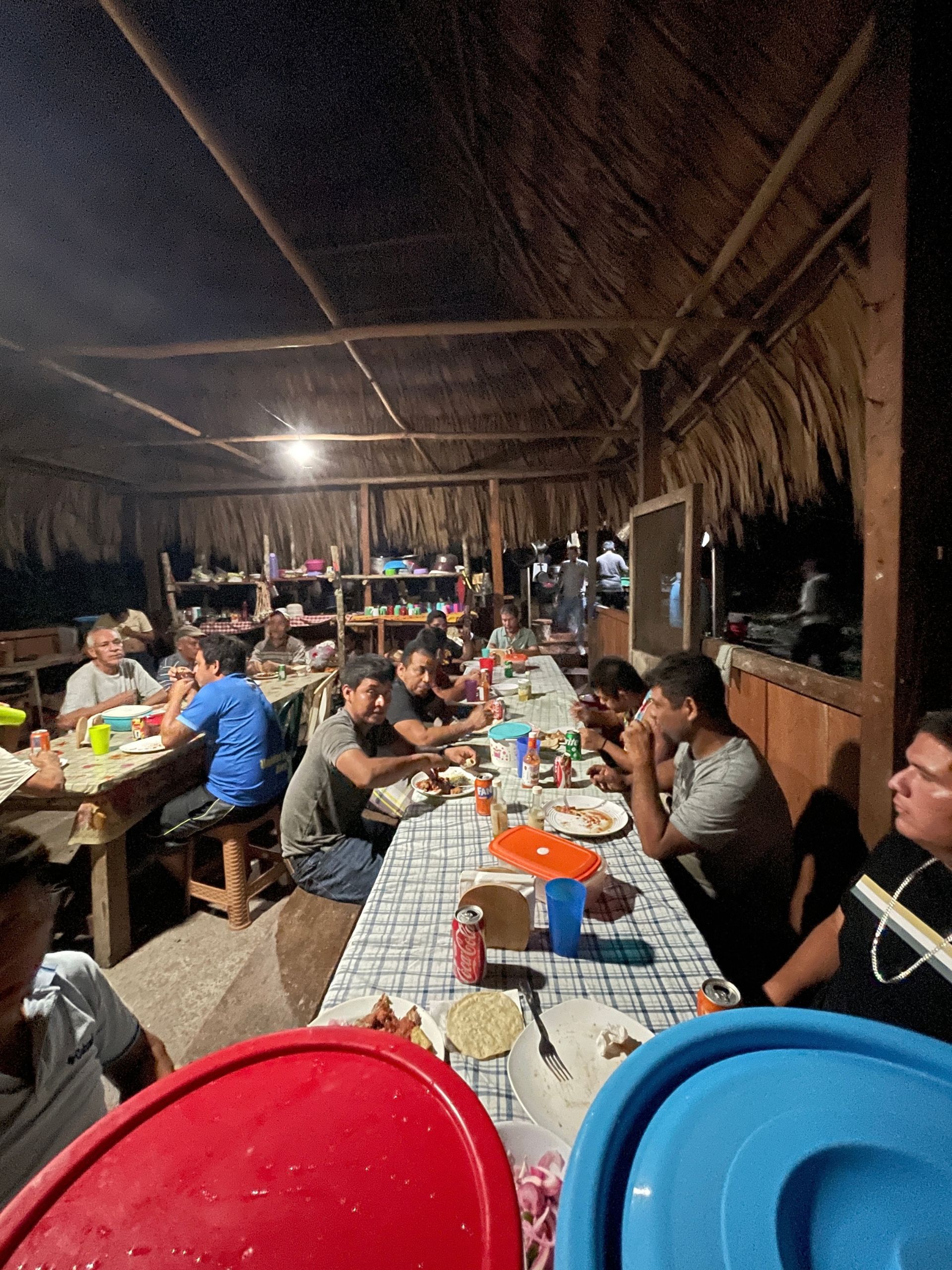
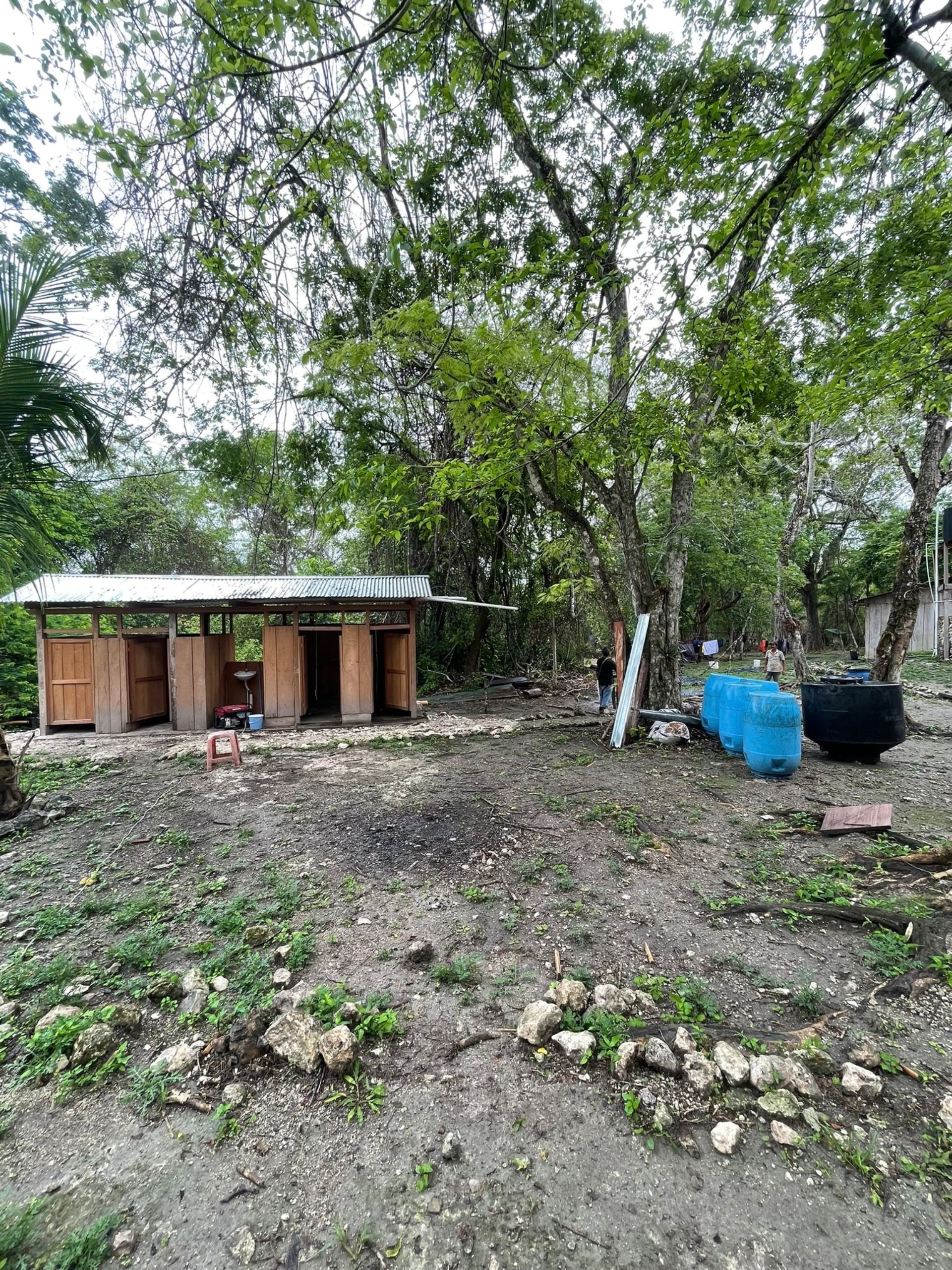
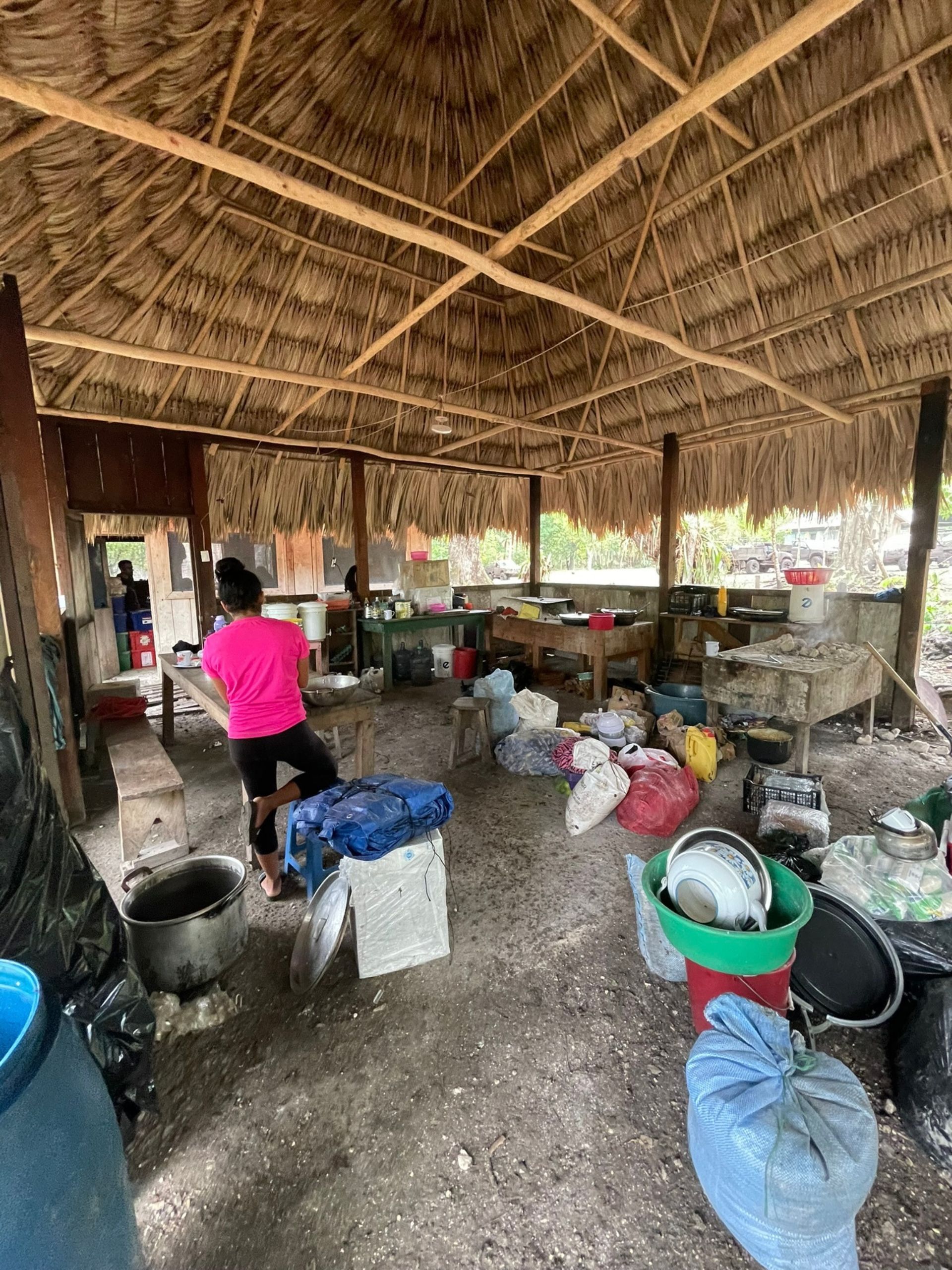
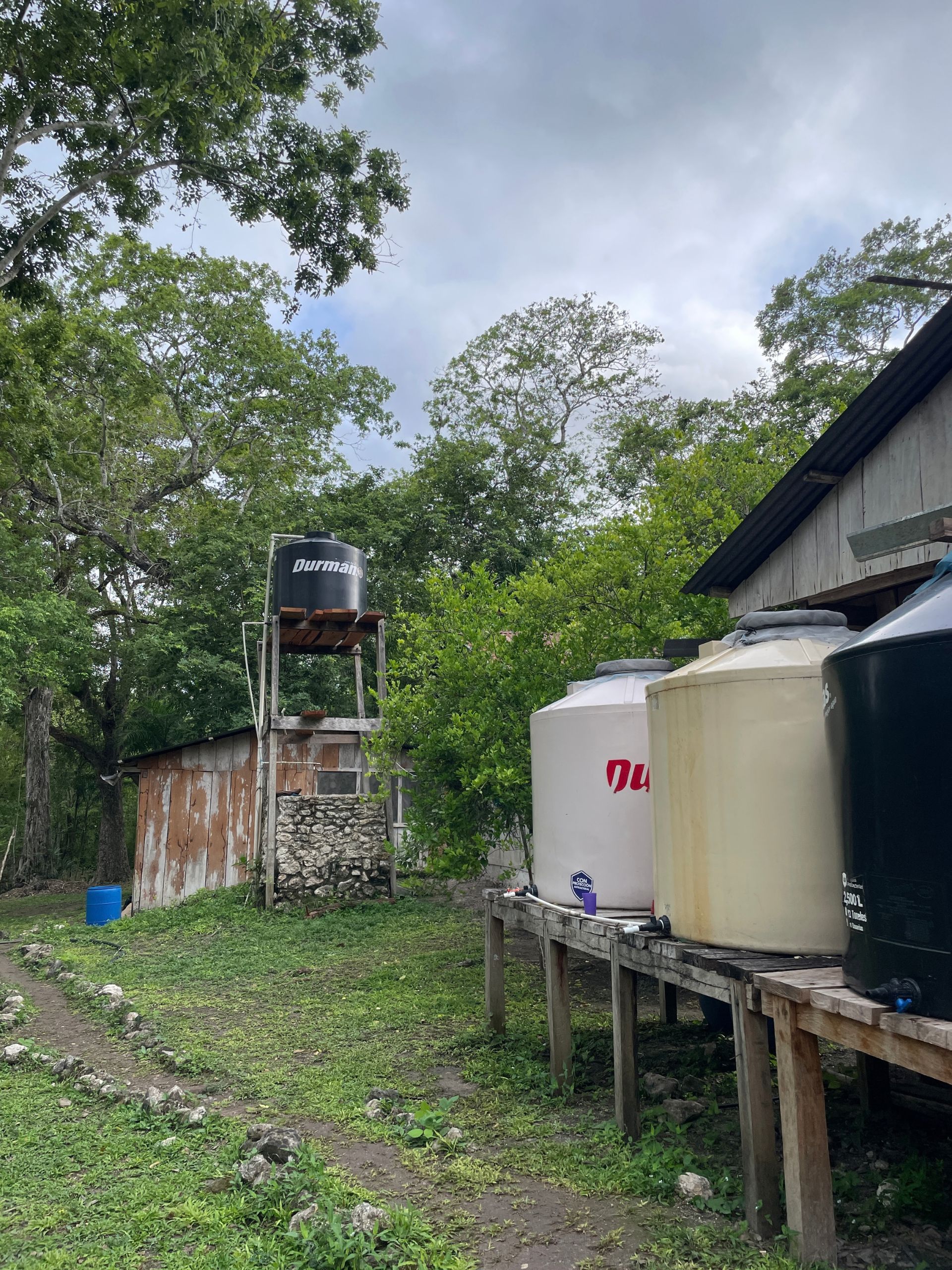
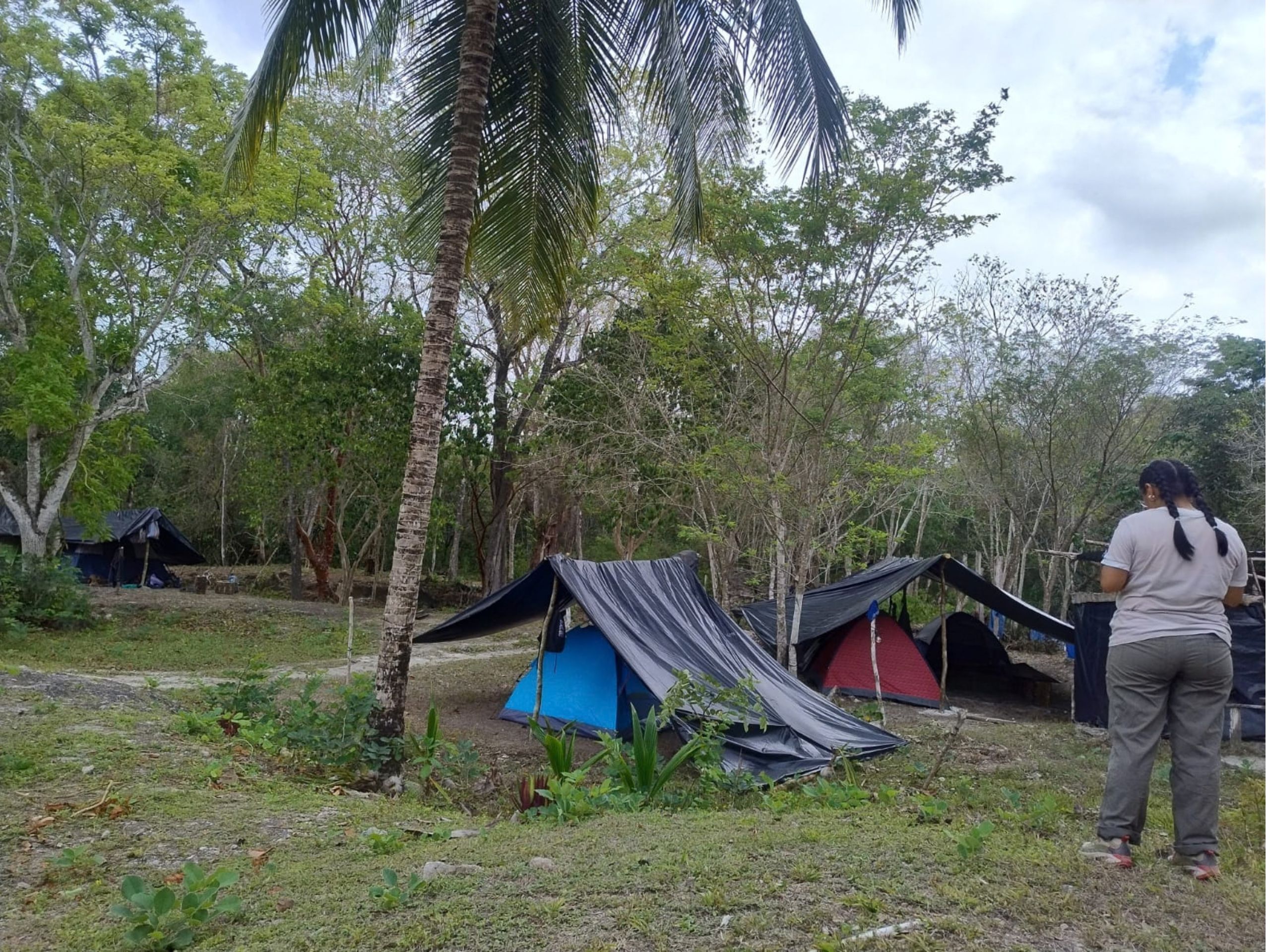
While you will stay briefly in a hotel at the start of the program, the majority of your time will be spent at a remote camp site within a national park. You will have your own private tent, and share rustic bathroom facilities with the rest of the camp members. There will also be shared areas for cooking, eating, working, and socializing. You are encouraged to bring a hammock for lounging and consider low-tech entertainment for onsite.
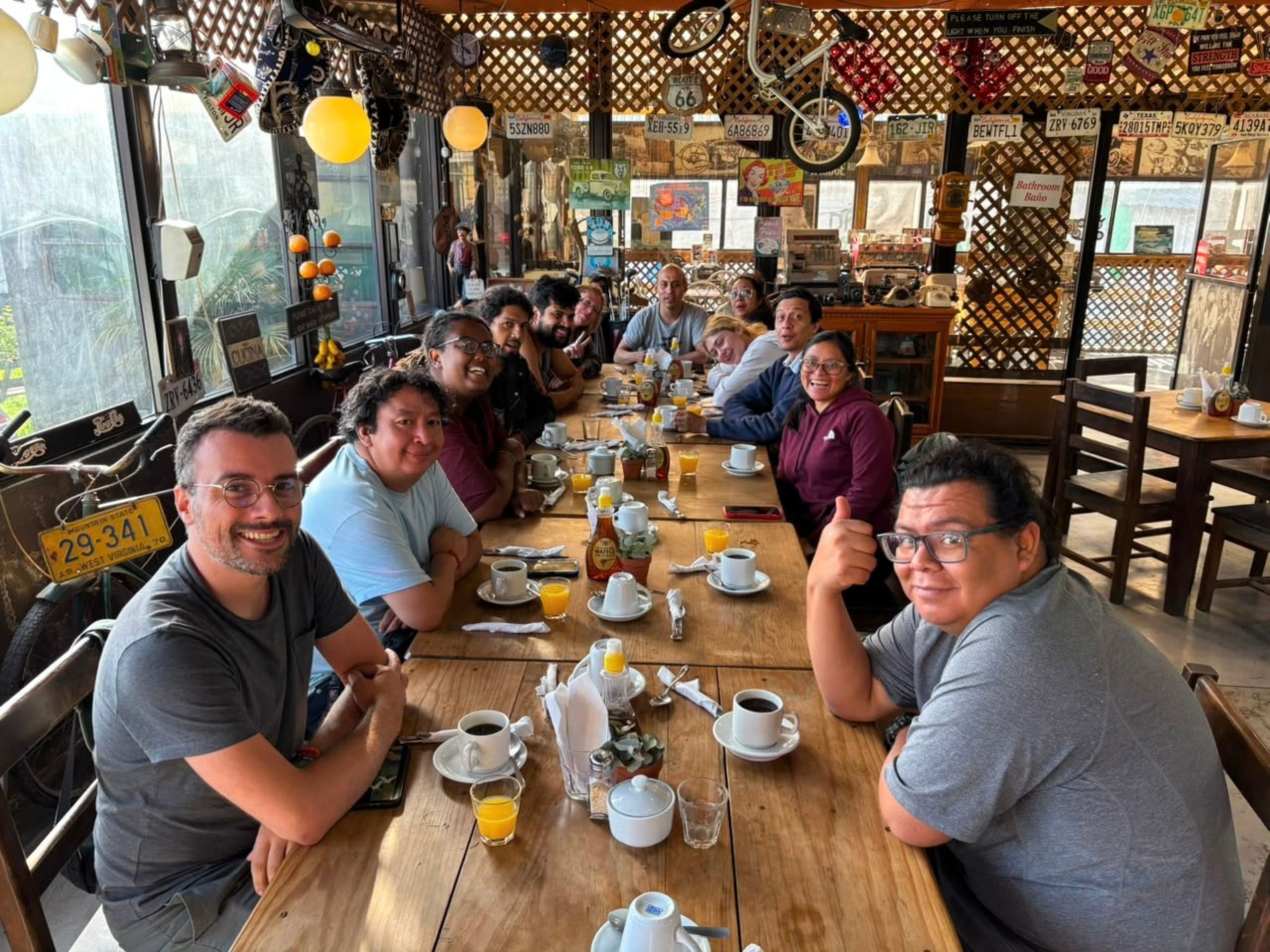
Meals: Kitchen staff will provide 3 meals per day while at camp. Vegetarian, vegan, and gluten free diets can be accommodated on this program as long as you alert the director in advance. Due to the remote setting, meal options may be limited – please reach out if you have specific dietary concerns that would need to be accommodated on this program.
Travel Info
Natural disasters, political changes, weather conditions and various other factors may force the cancellation or alteration of a field school. IFR recommends students only purchase airline tickets that are fully refundable and consider travel insurance in case a program or travel plans must change for any reason.
General information for this program is below, but keep in mind we will discuss any updated travel information and regulations during the required program orientation, which could affect travel plans.
Program staff will meet you at the Mundo Maya airport in Flores, Guatemala on the program start date. However, you will likely find it easier to fly to Guatemala City International airport (La Aurora) and then book a separate flight to Mundo Maya on a local airline rather than trying to book a single ticket.
If you are traveling before program, you can also meet staff directly at the program hotel on arrival day.