
Returning Program! Summer 27 details will be updated as they are finalized.
Overview
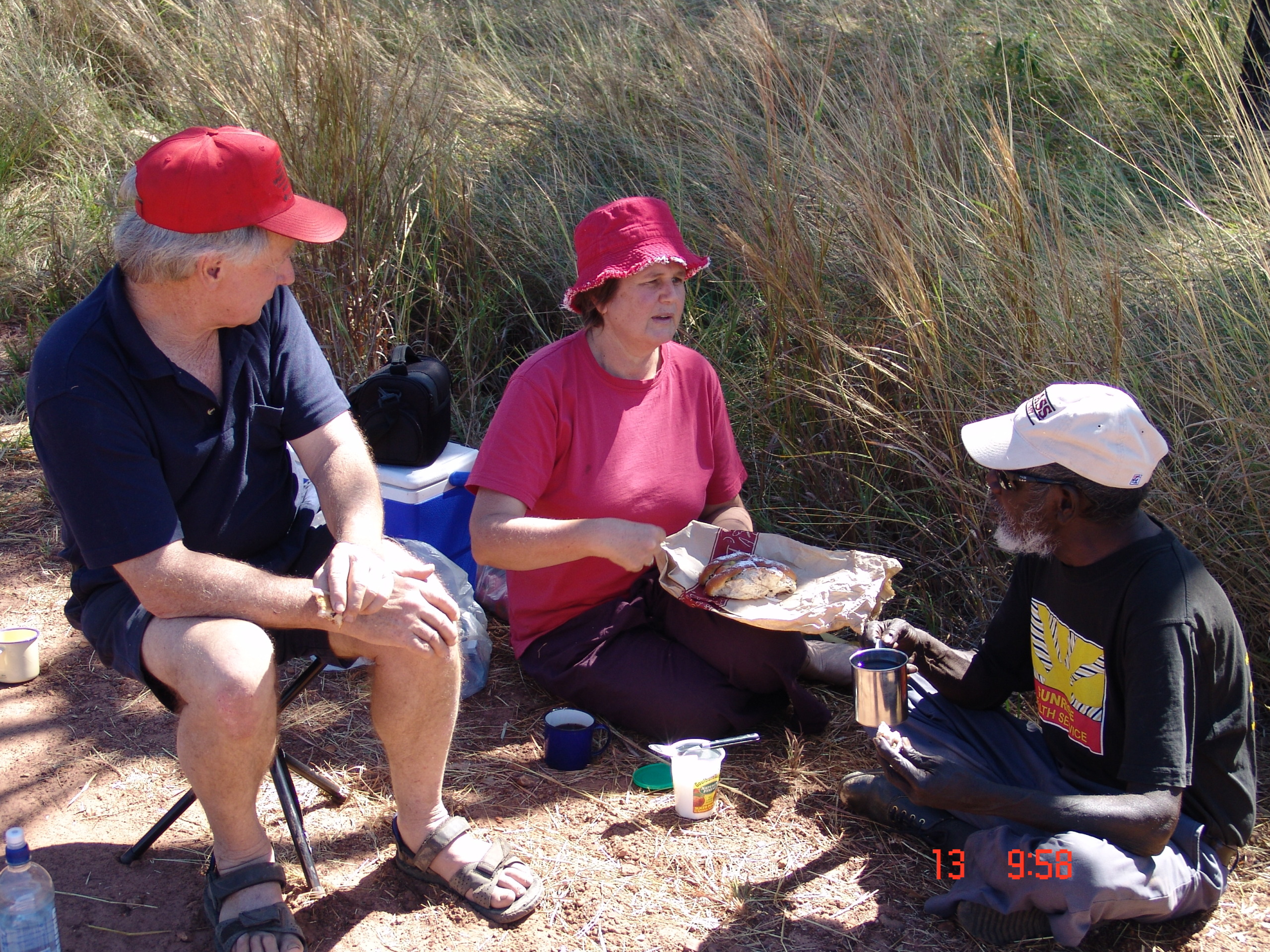
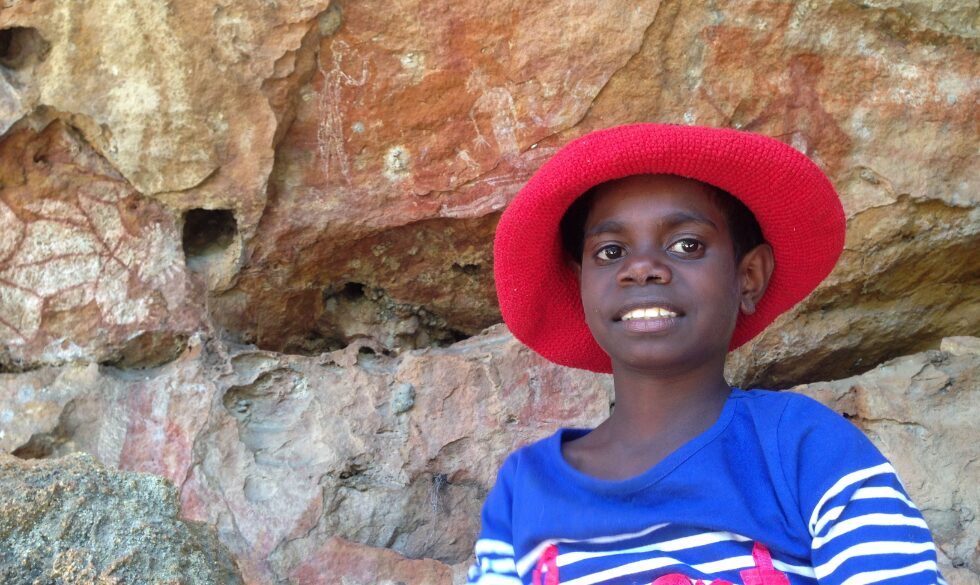
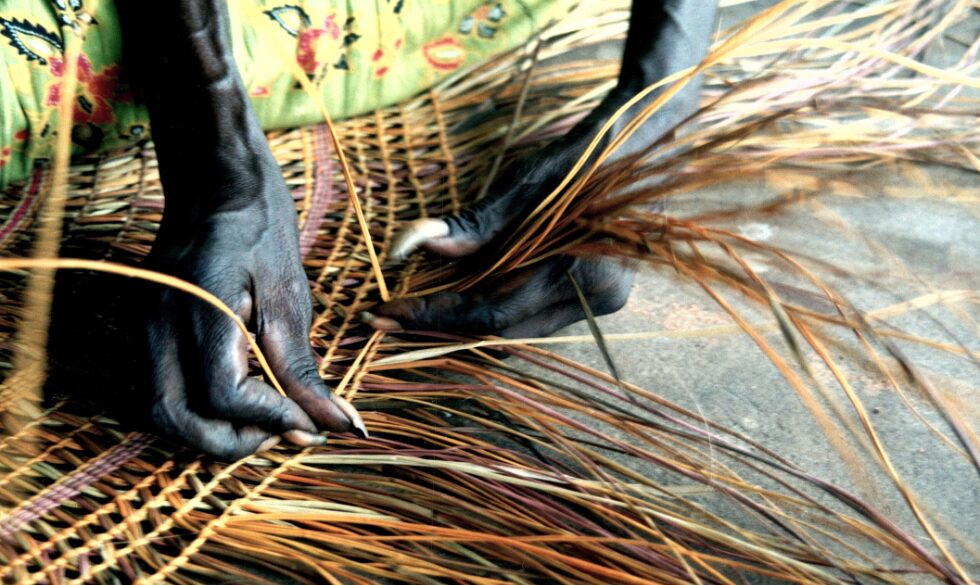
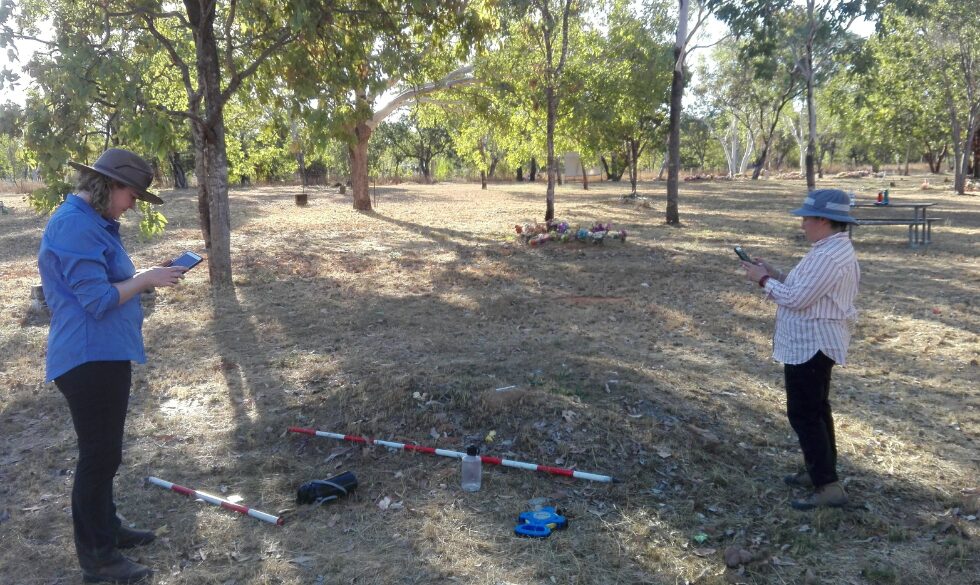
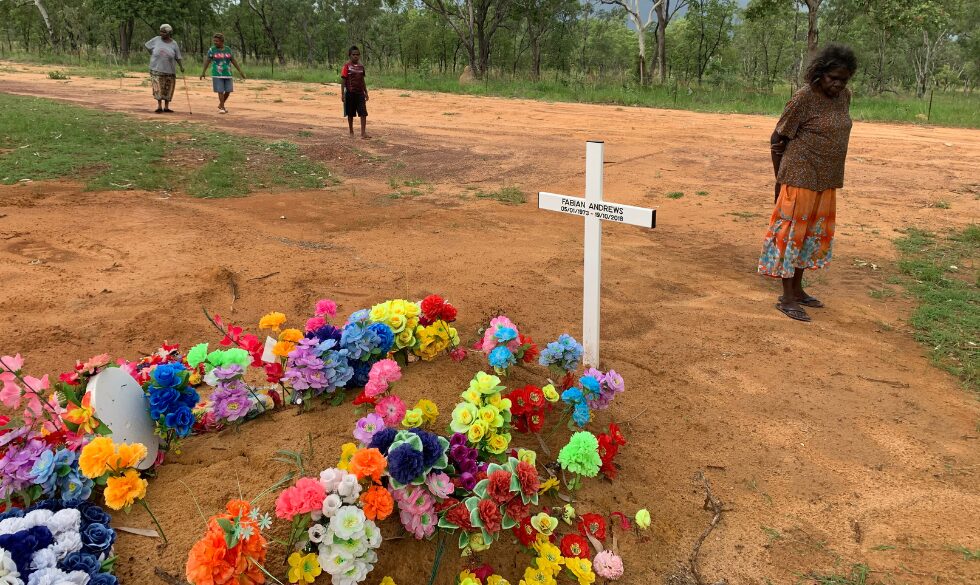
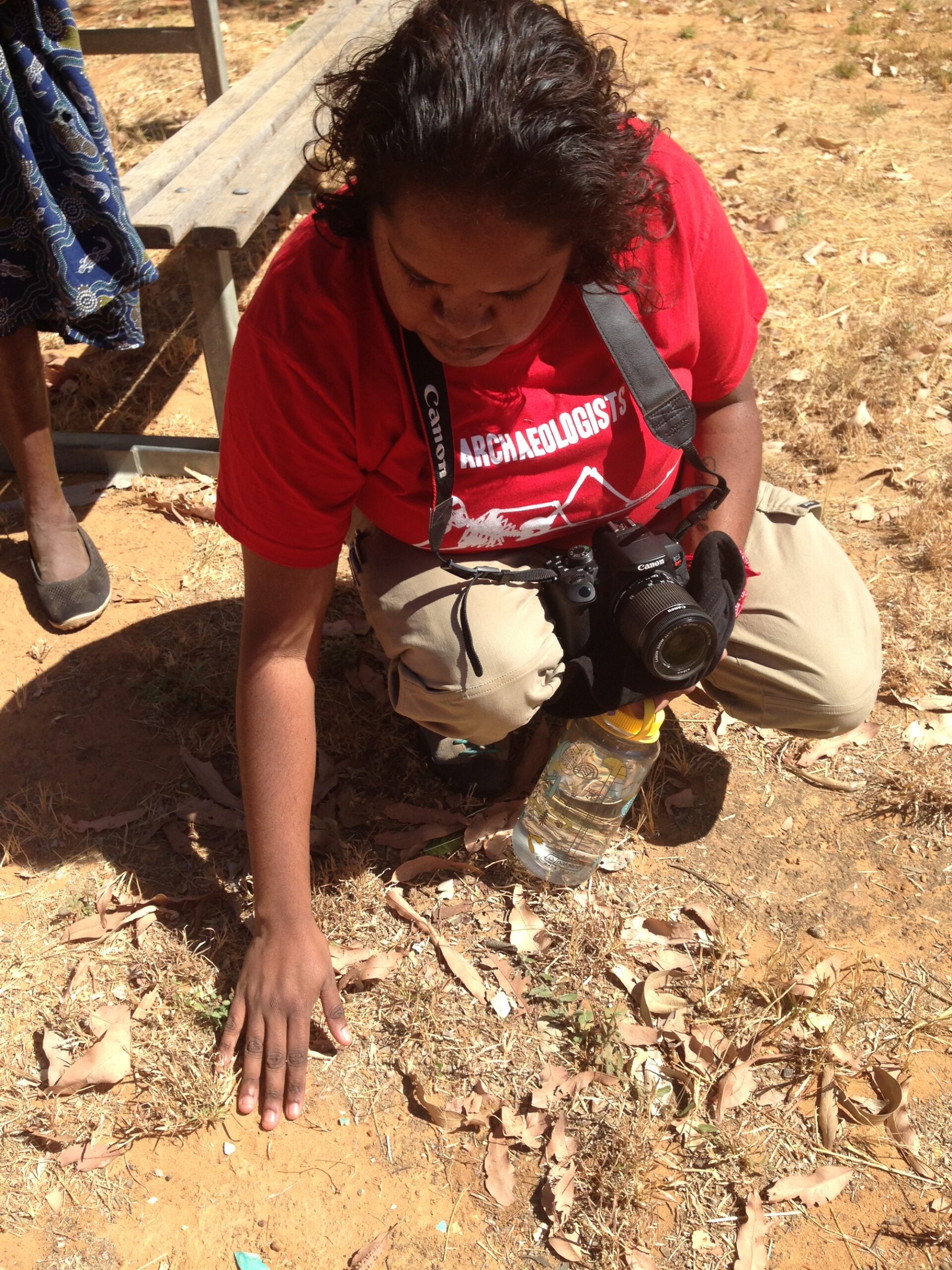
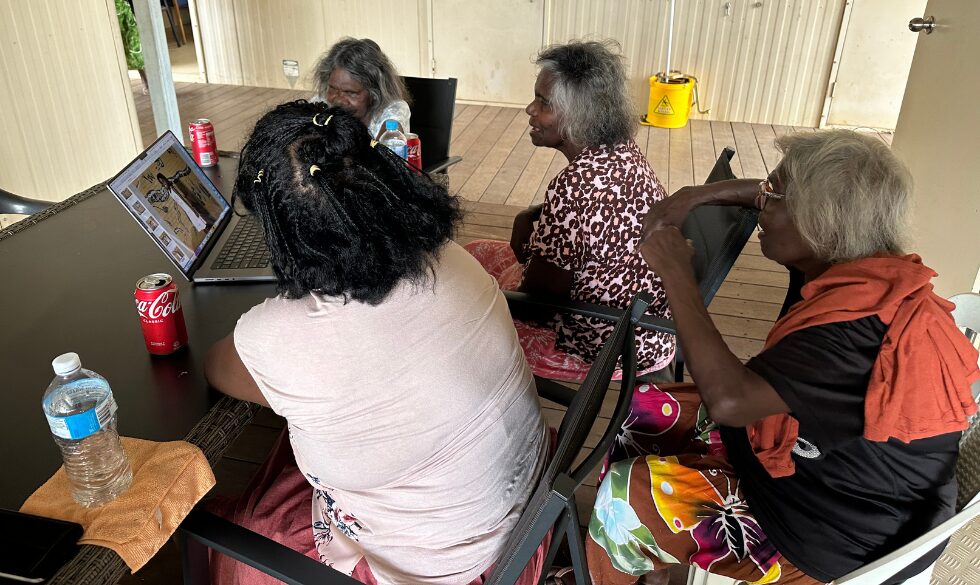
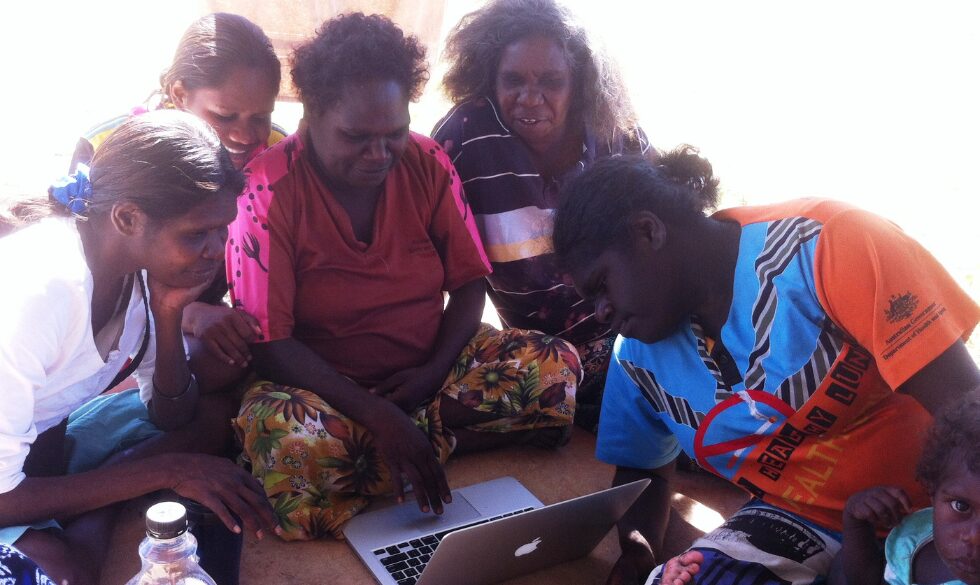
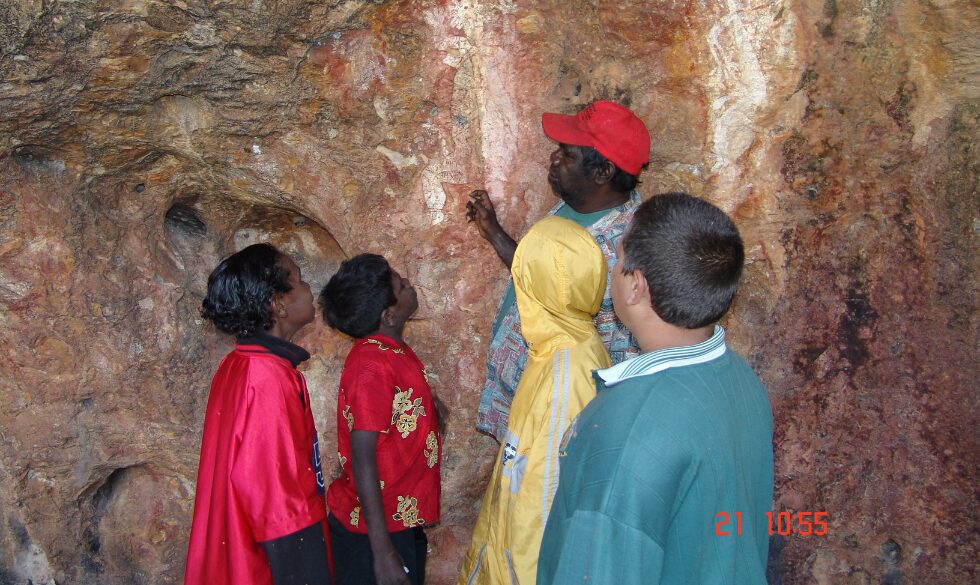
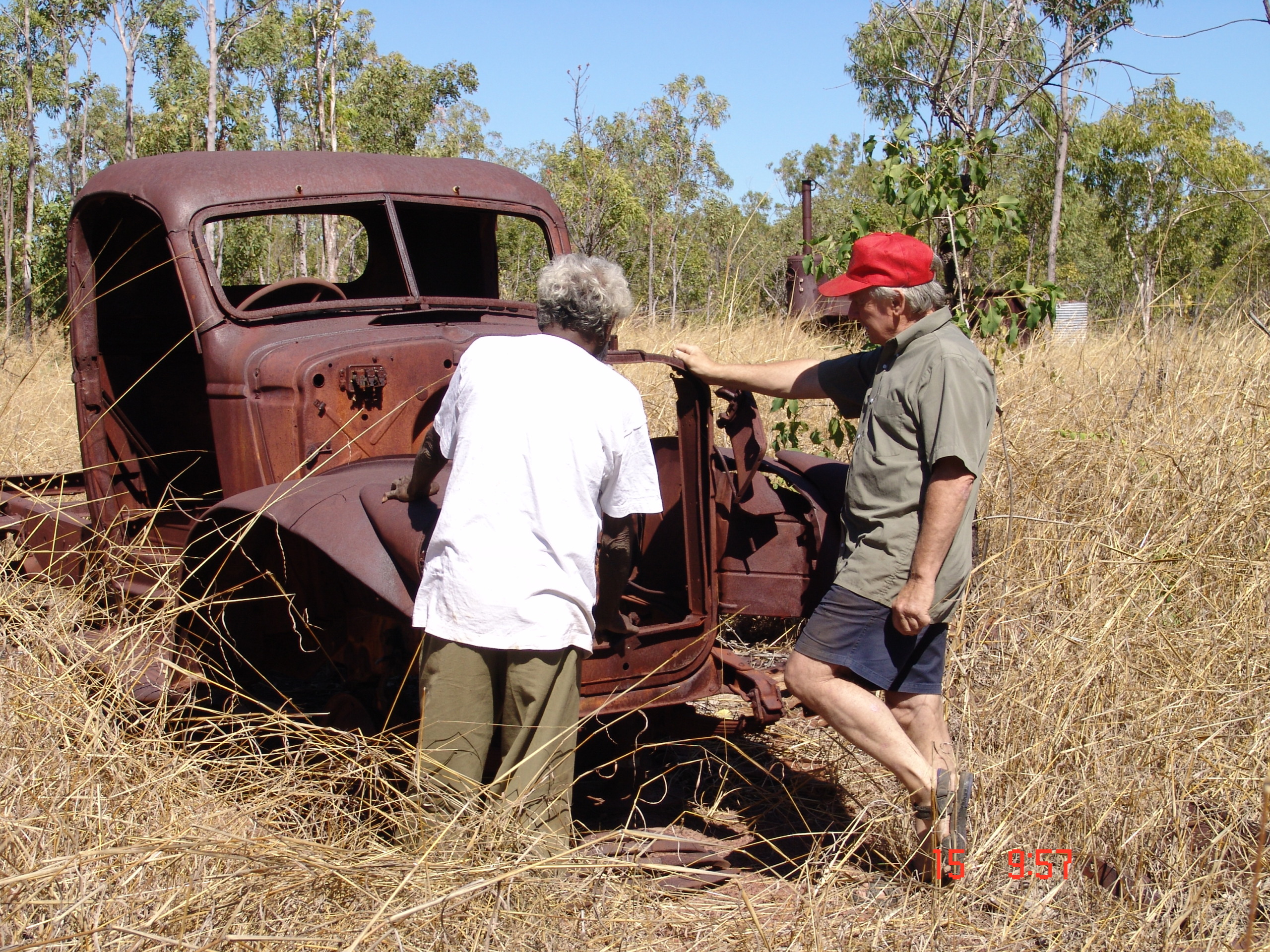
Participate in a field school truly off the beaten path as you share daily life with Aboriginal Australians in a remote part of the Northern Territory, Australia. This program offers a unique opportunity to learn about Indigenous archaeology and is undertaken at the request of the Barunga Aboriginal Knowledge Center and conducted under the guidance of Aboriginal Elders and members from the 300-person Barunga community. Help advance existing long-term research on Indigenous occupation and lifestyles in this region as you participate in “braiding” Indigenous knowledges and Western science through respectful interweaving of these worldviews. Collaborate with a community member on a co-designed project ranging from collecting oral histories, documenting bush medicines, and archiving photographs to recording rock art sites and the Barunga graveyard.
The program will include 3 interactive online meetings before arriving onsite, which will allow you to meet Barunga people and see their community and facilities prior to your time there.
Field school highlights:
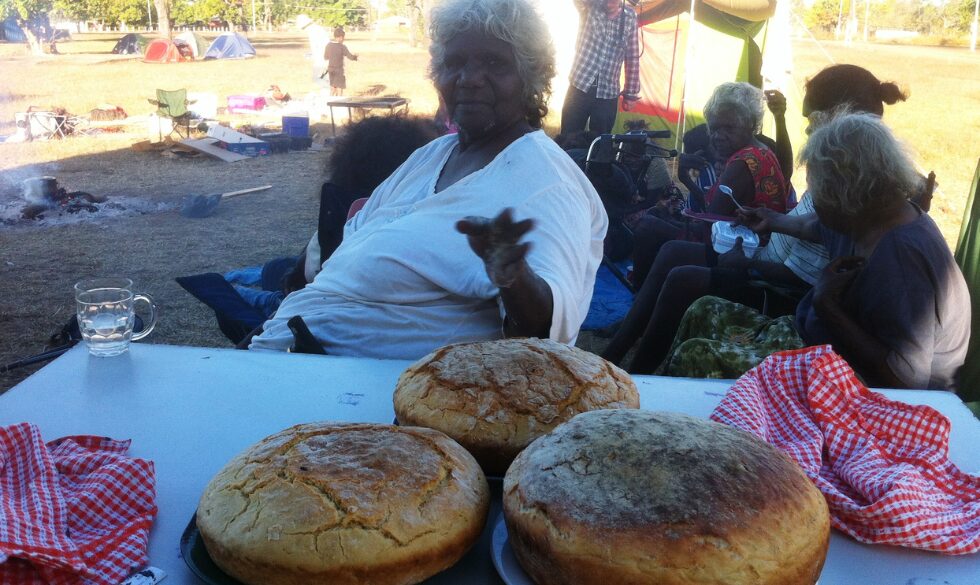
- Develop a deep understanding of the complexity of Aboriginal social practices and cultural rules as you live, work, and share meals with the Barunga people.
- Explore how Indigenous Australian worldviews can transform archaeological practice and understandings of the past.
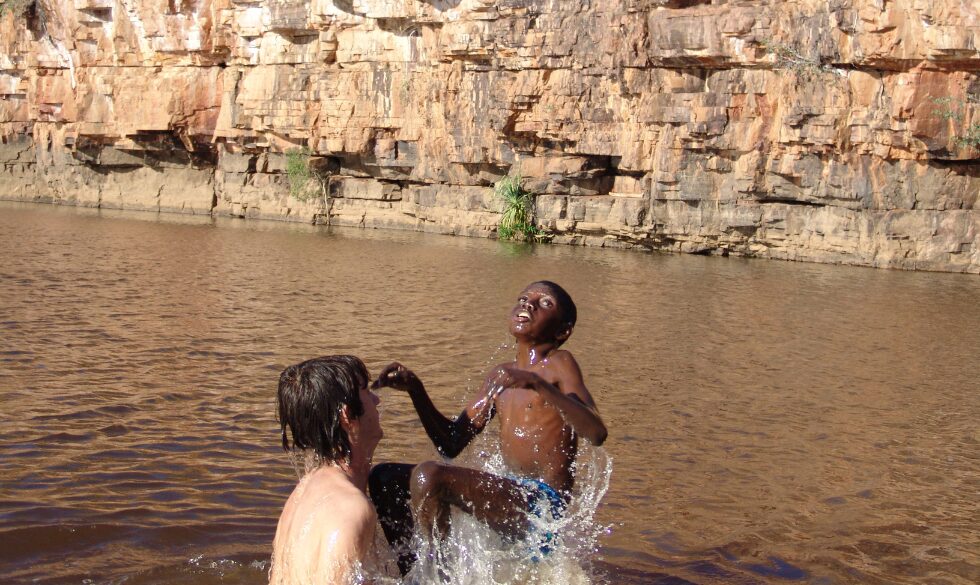
- Camp in the wild beauty of the Australian Outback at Kakadu National Park!

| Course Details | |
|---|---|
| Course Dates | online work TBD July 18 – 31, 2027 onsite |
| Course Type | Indigenous archaeology |
| Instructors | Claire Smith |
| Credits* | 6 semester (9 quarter) |
| Early Deadline | December 1 |
| Fees Due By | April 15 |
| Program Fees | (2026) |
|---|---|
| Tuition | $5,315 |
| Transcript Fee* | $350 |
| Health & Evacuation Insurance | $100 |
| Room & Board | $1,150 |
| TOTAL: | $6,915 |
Applications accepted on a rolling basis until program fills or final deadline passes.
*Please email admissions@ifrglobal.org for any application issues.
Instructors
The directors welcome emails and inquiries about the research elements of this project. More general information (tuition, health insurance, and payment schedule) can be found under the ‘Students’ tab above. Any further questions may be addressed to IFR staff. Additional details about research, course schedule, travel, accommodation, and safety can be found on the syllabus. Contacting the directors or the IFR office is encouraged and appreciated. It may help you determine if this field school is a good fit for you.

Payment & Student Fees
Application Fee: There is a $45 fee to submit an online application.
Deposit Payment: A nonrefundable $500 deposit is due within 3 weeks of program acceptance in order to secure your place. The remainder of your program fees are due by the deadline indicated under “Course Details”.
*Transcript Fee & Academic Credit Opt Out: If you wish to participate in an IFR field school without earning academic credits, you will not be charged a transcript fee.
For more information about payment, fees, and policies, please see details under our Payment & Finances and Withdrawal and Cancellation Policy pages.
Accommodations
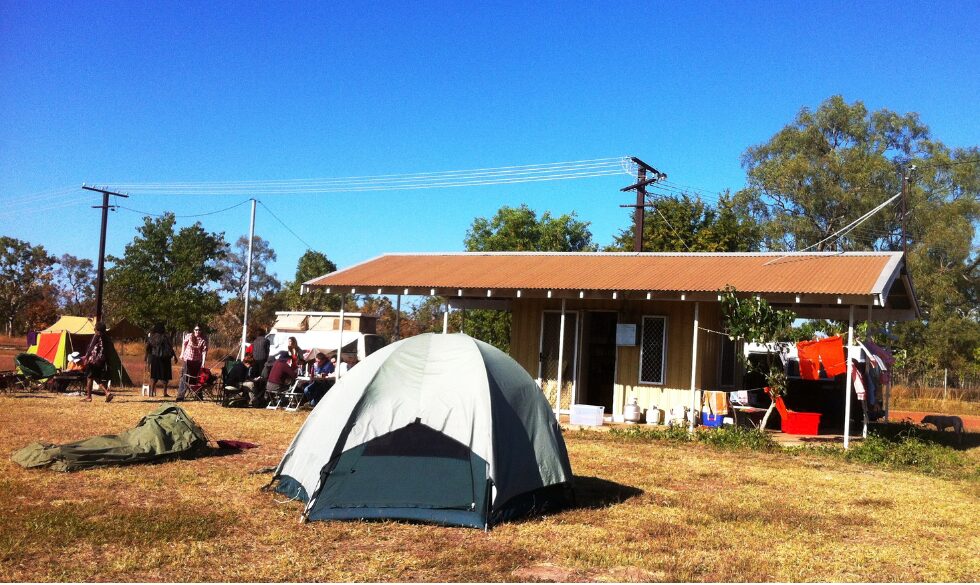
As this program moves locations, you will have a mix of accommodations. While a few nights in Matanka will be spent in a motel, most of time you will have a true field work experience, sleeping in tents at both Kakunda National Park and the Barunga Community. These sites will have access to shared public bathrooms and showers. The program advises you bring your own tent if possible, but will have options for sharing or purchase as needed.
Meals: While all meals will be provided on this program, students will take an active role in shopping for groceries and preparing meals in groups and with community members. Most dietary restrictions can be accommodate on this program, which allows for significant student input on the meals.
Travel Info
Natural disasters, political changes, weather conditions and various other factors may force the cancellation or alteration of a field school. IFR recommends students only purchase airline tickets that are fully refundable and consider travel insurance in case a program or travel plans must change for any reason.
General information for this program is below, but keep in mind we will discuss any updated travel information and regulations during the required program orientation, which could affect travel plans.
Program staff will meet participants at the Darwin airport on the program start date. Depending on your place of origin, you may be able to book a flight to Darwin (DRW) through a single carrier, or you can fly into any of the major international airports in Australia and then book a domestic flight to Darwin on an Australian airline.
Consider travel time, transfers, and time difference when booking travel to ensure your arrival date and time. You should aim to arrive in Darwin by 2pm to allow time to travel to Kakadu National Park and set up camp.
Once onsite, local transportation will be via 4WD vehicles.