

Overview
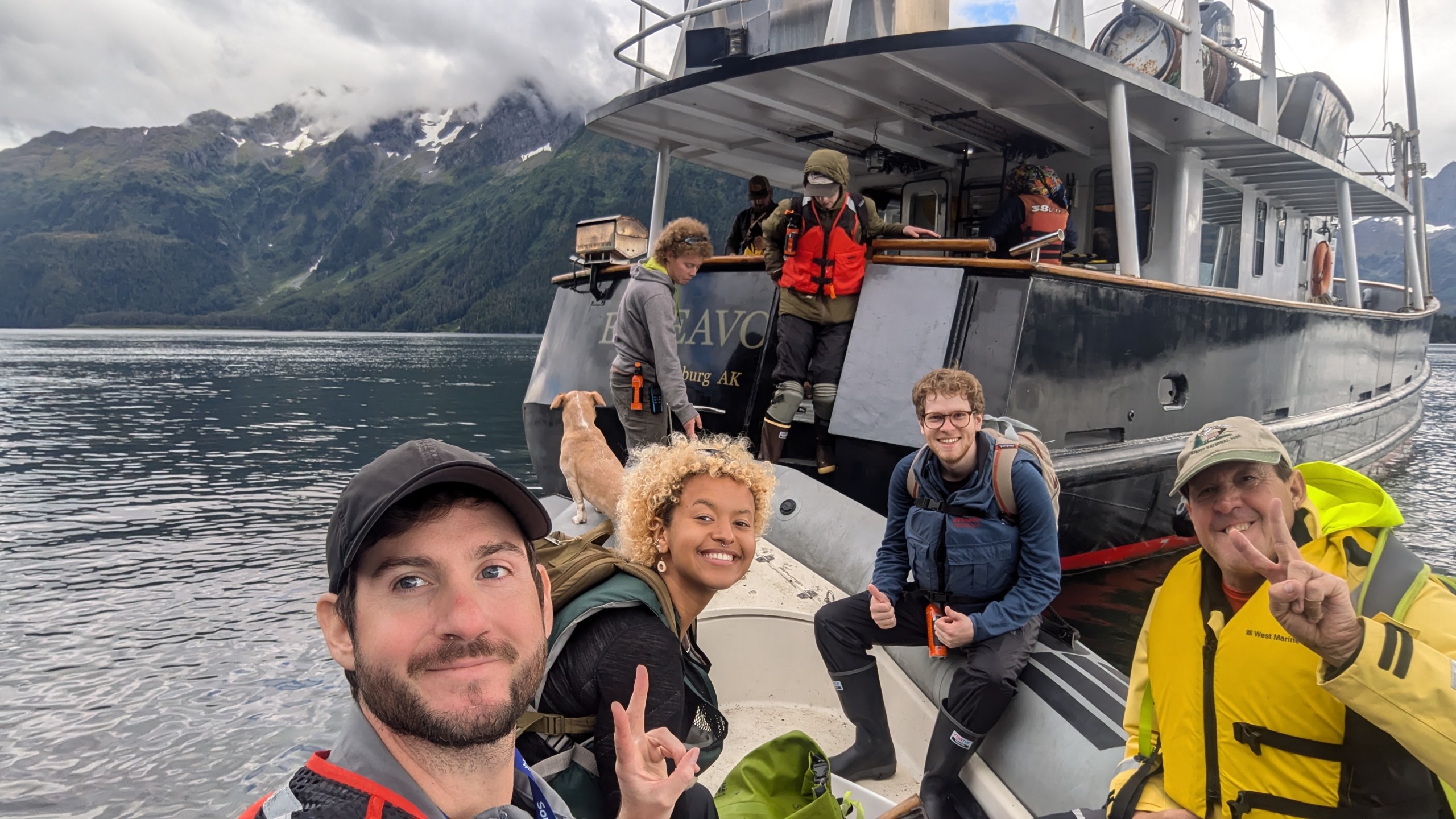
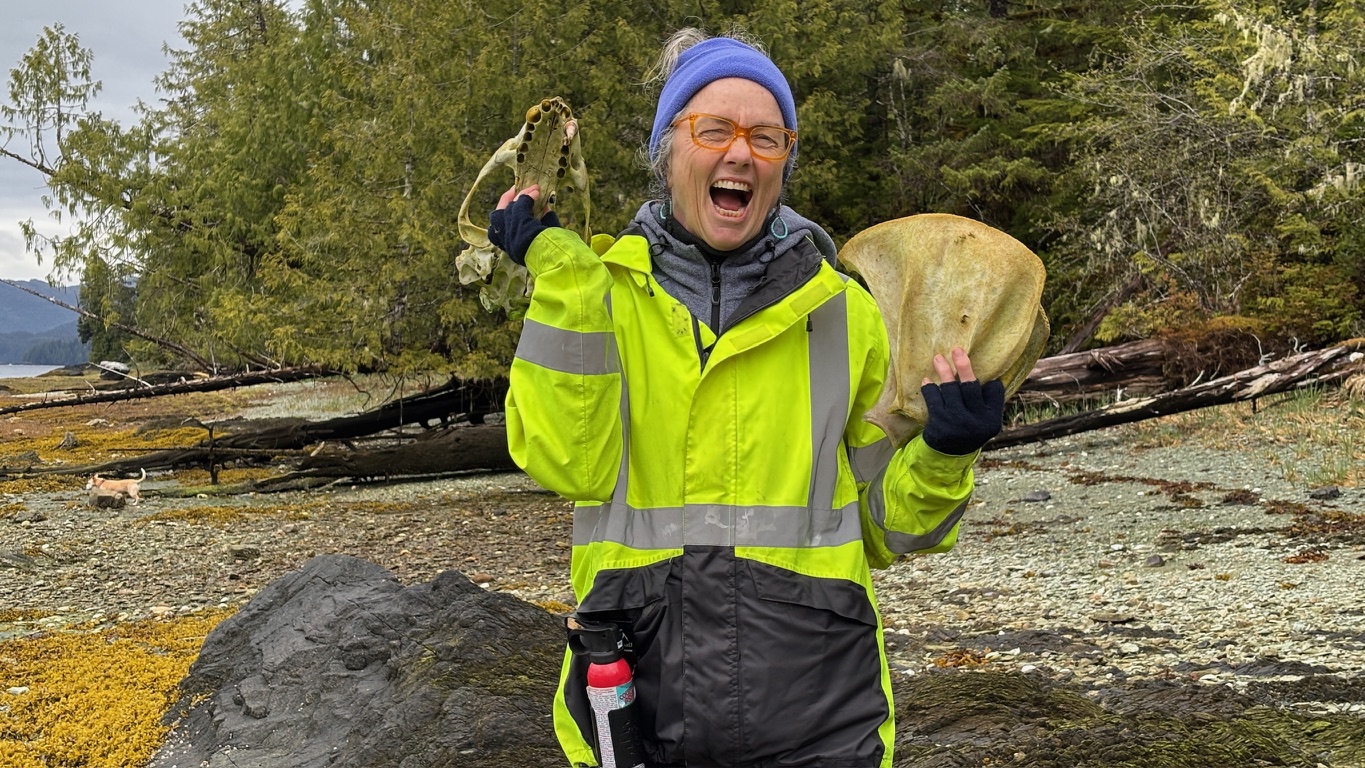
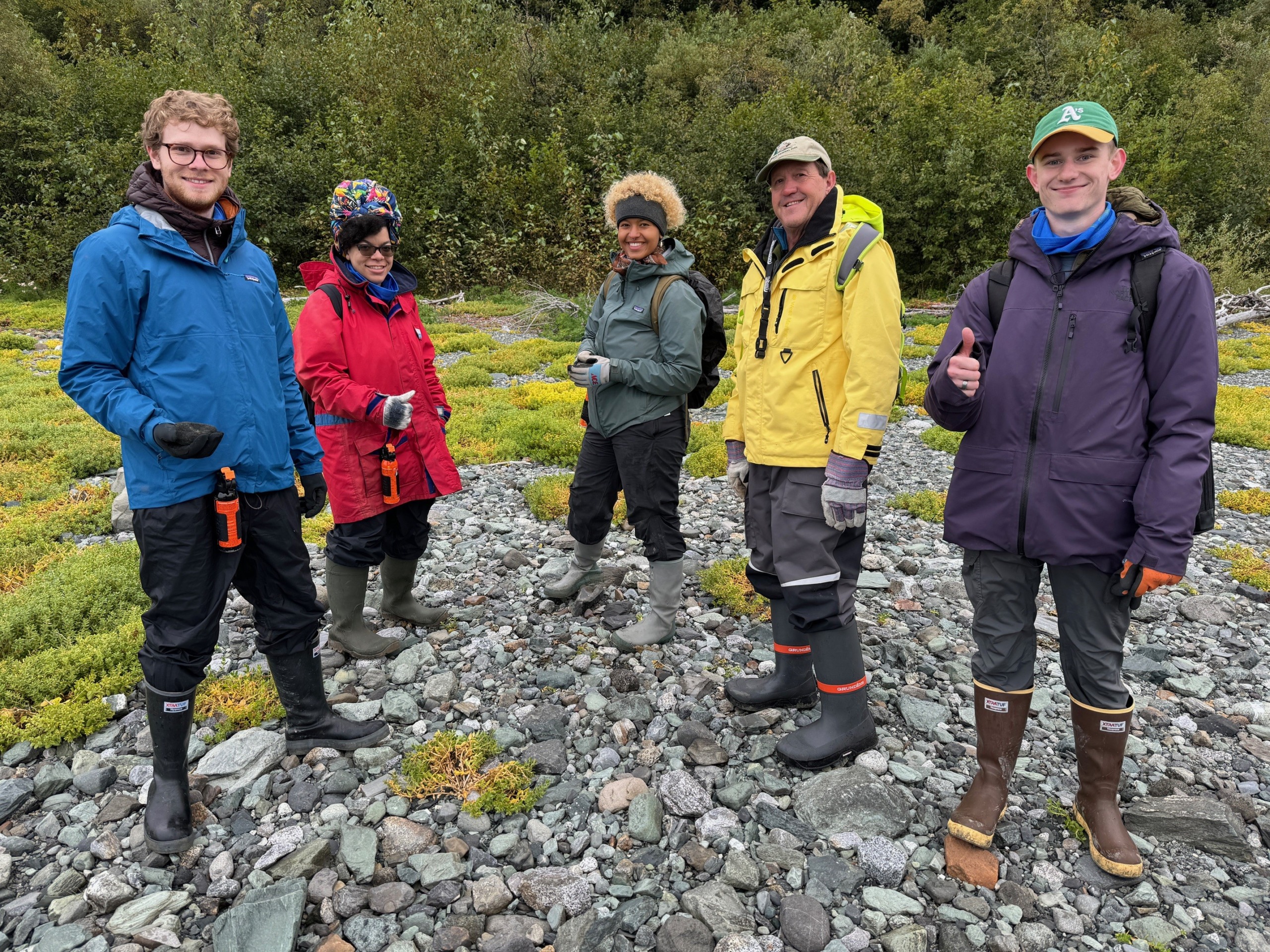
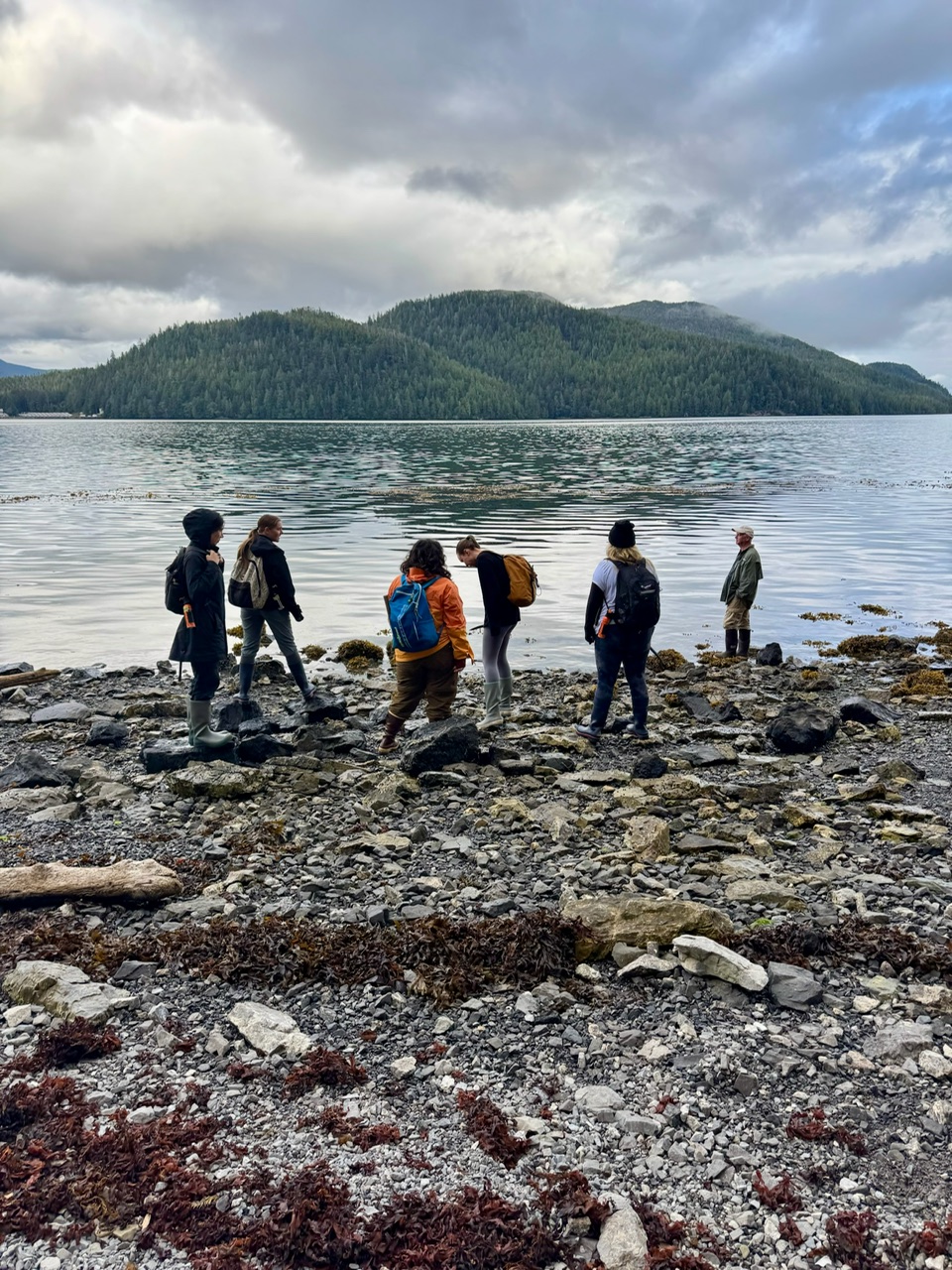
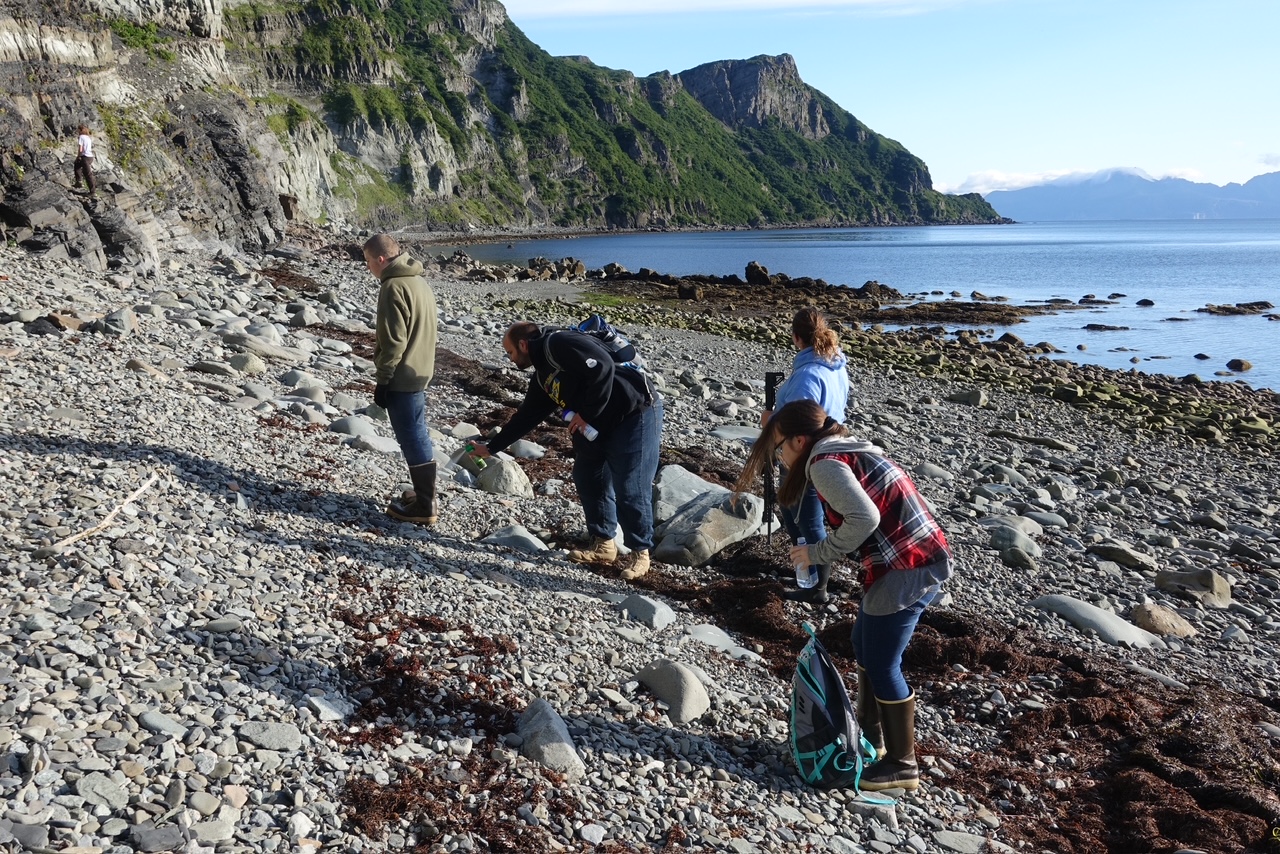
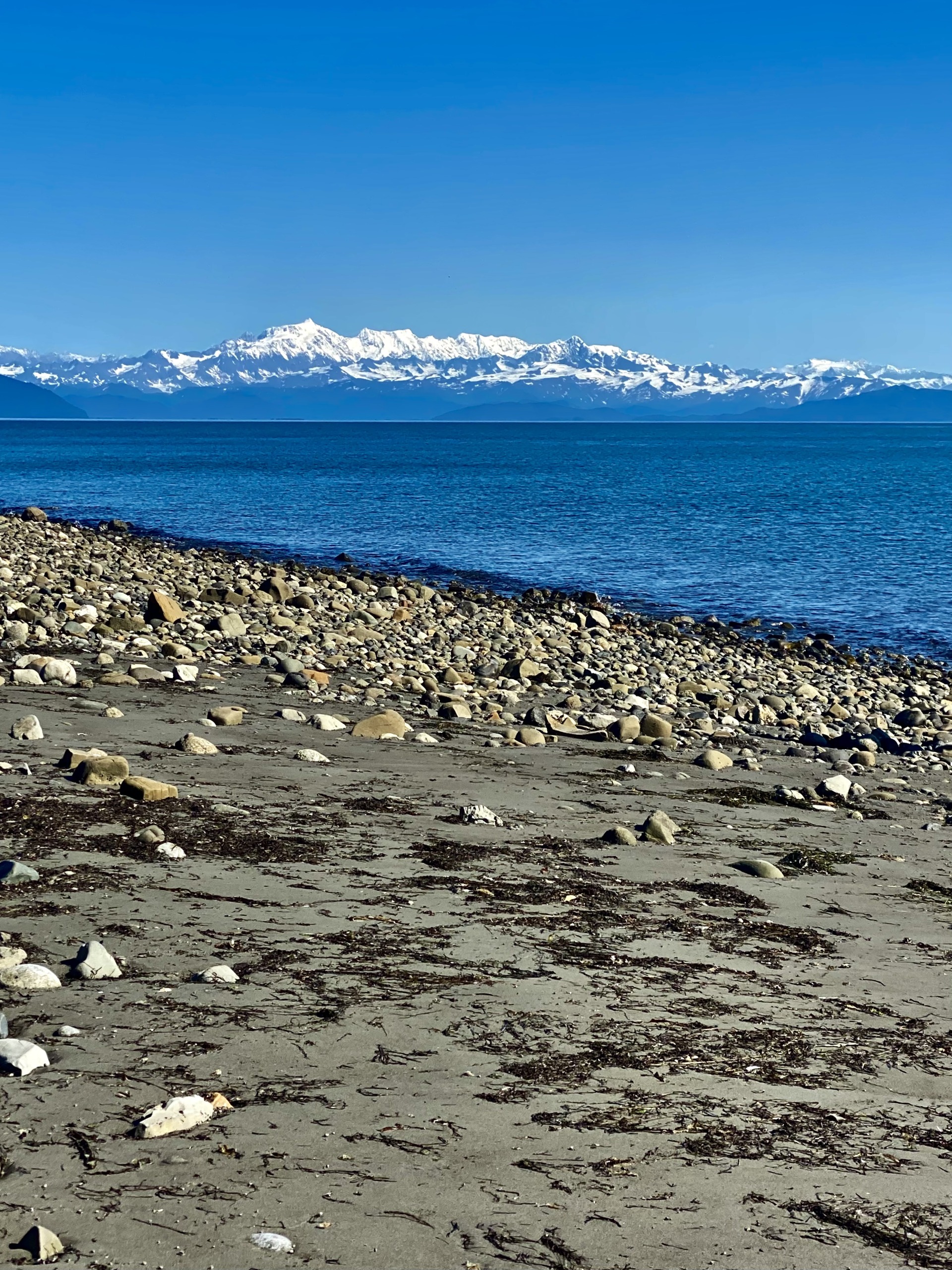
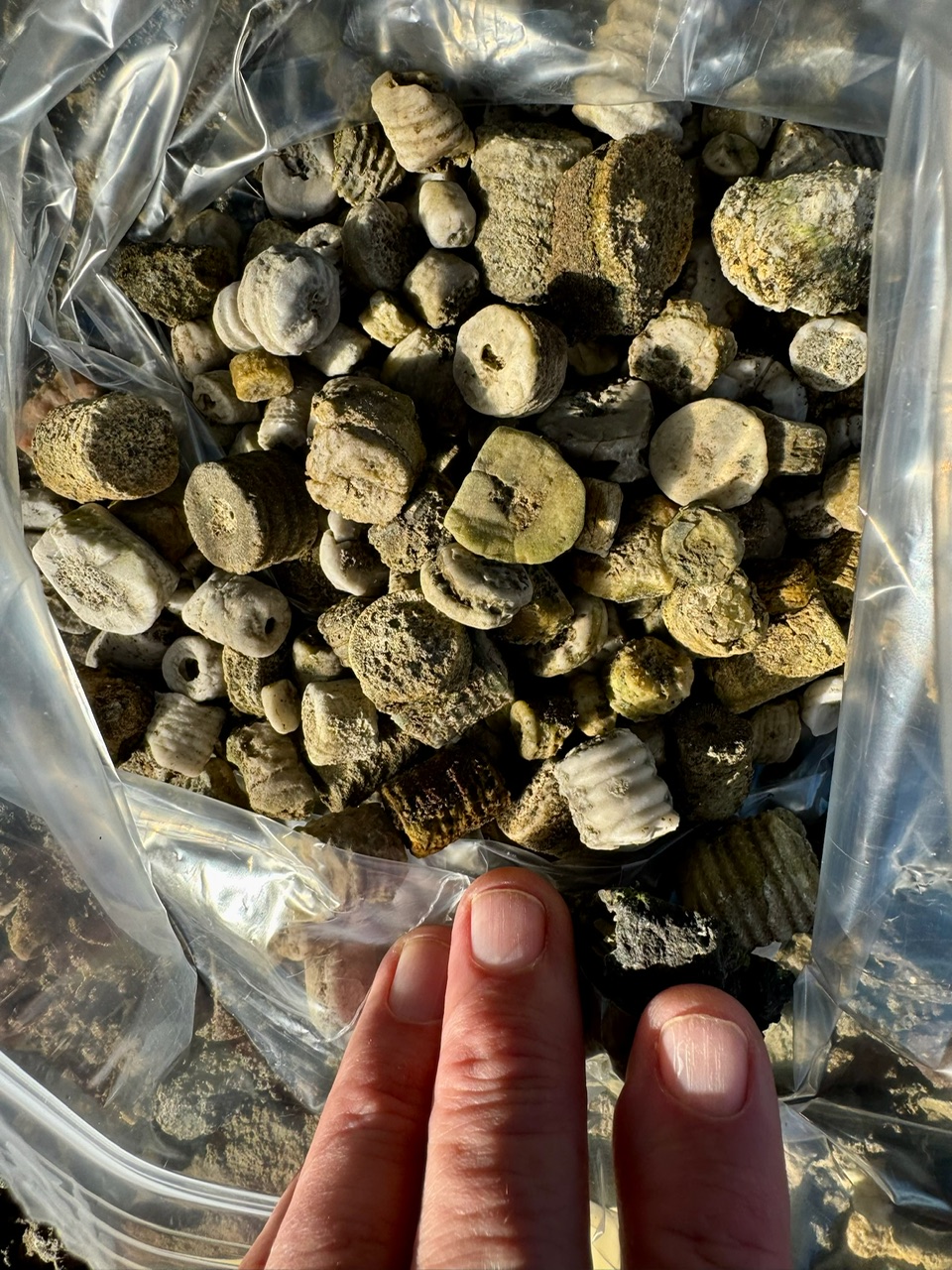
Join this exciting expedition to explore the geology and paleontology of coastal Alaska. The program starts with one week of online coursework to give you a foundation in geology and paleontology, as well as learning about Alaska’s ancient environments and climates. We will then explore Alaska’s Alexander Archipelago aboard the research vessel The Endeavour, where you’ll spend the next two weeks exploring and prospecting areas suitable for fossil preservation, while learning how to formulate field research questions. You will learn how to identify previously recorded fossil localities and document newly discovered localities using geological cues, and both traditional and new technologies. You will also become familiar with techniques for collecting, preserving and identifying fossils. The expedition’s results will contribute to future research into the paleontology and ancient environments of southern Alaska. We will study and live aboard the ship, whose smaller shore boats give us access to some extraordinary locations and opportunities for exploration. Note: this program is limited to 6 students.
Field School highlights:
- Examine fossils and geologic clues to understand ancient life forms
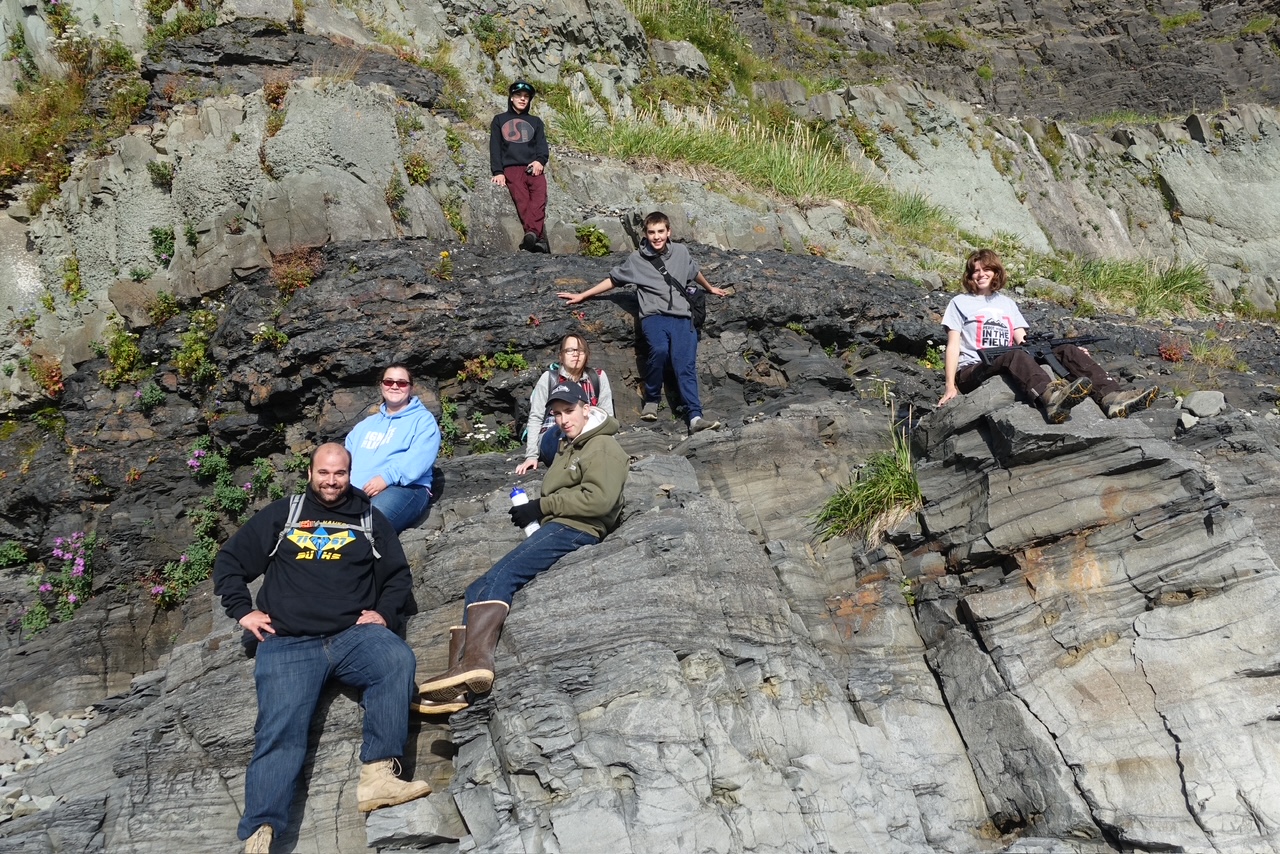
- Be part of discovering and documenting the fossil record of Alaska’s Alexander Archipelago
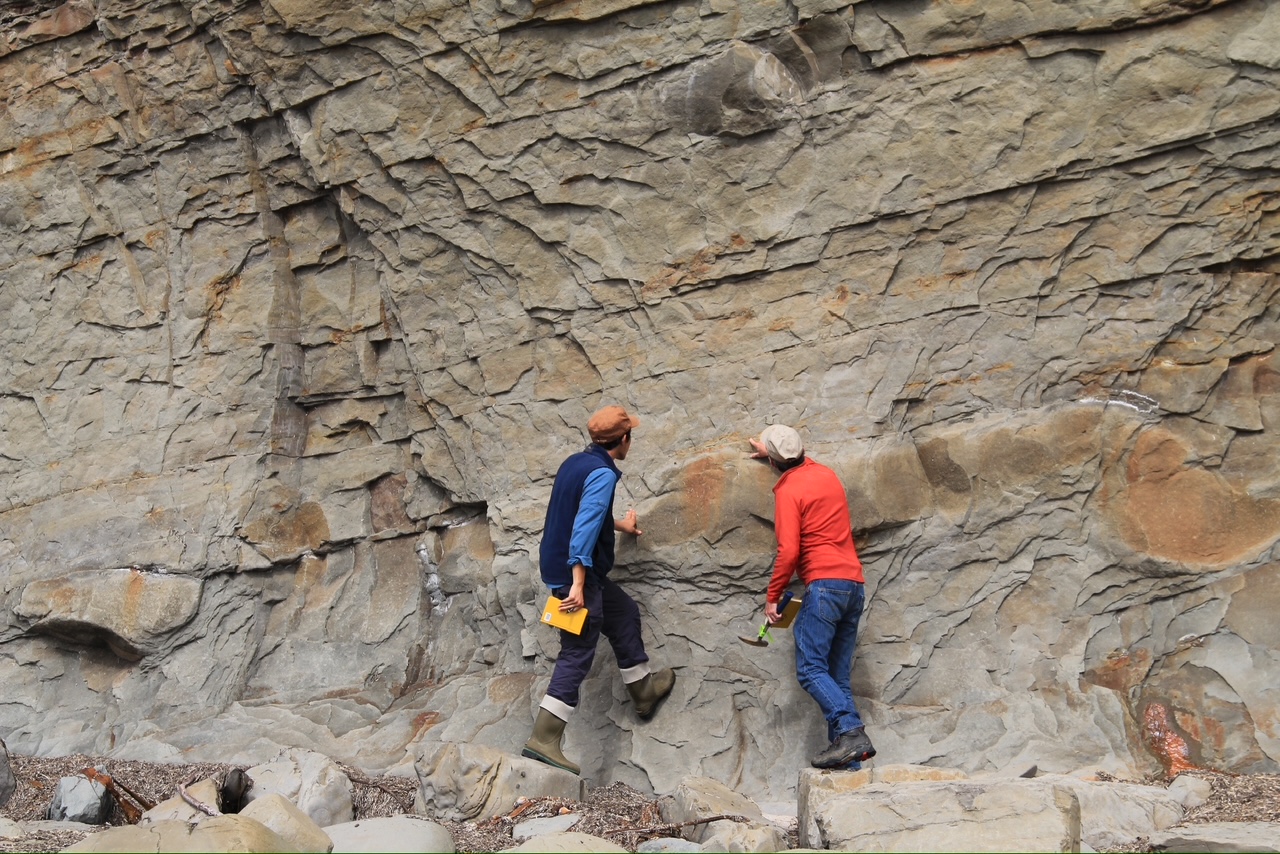
- Identify and examine geologic features for indicators of life forms and environments of the deep past

| Course Details | |
|---|---|
| Course Dates (2026) | online dates TBD May 15-26 onsite |
| Course Type | Paleontology, Geology |
| Instructors | Dr. Paul Murphey |
| Credits* | 6 semester (9 quarter) |
| Early Deadline | December 1 |
| Fees Due By | April 15 |
| Program Fees | (2026) |
|---|---|
| Tuition | $4,900 |
| Transcript Fee* | $350 |
| Health & Evacuation Insurance | NA |
| Room & Board | $1,350 |
| TOTAL: | $6,600 |
Applications accepted on a rolling basis until program fills or final deadline passes.
*Please email admissions@ifrglobal.org for any application issues.
Instructors
The directors welcome emails and inquiries about the research elements of this project. More general information (tuition, health insurance, and payment schedule) can be found under the ‘Students’ tab above. Any further questions may be addressed to IFR staff. Additional details about research, course schedule, travel, accommodation, and safety can be found on the syllabus. Contacting the directors or the IFR office is encouraged and appreciated. It may help you determine if this field school is a good fit for you.

Payment & Student Fees
Application Fee: There is a $45 fee to submit an online application.
Deposit Payment: A nonrefundable $500 deposit is due within 3 weeks of program acceptance in order to secure your place. The remainder of your program fees are due by the deadline indicated under “Course Details”.
*Transcript Fee & Academic Credit Opt Out: If you wish to participate in an IFR field school without earning academic credits, you will not be charged a transcript fee.
For more information about payment, fees, and policies, please see details under our Payment & Finances and Withdrawal and Cancellation Policy pages.
Accommodations
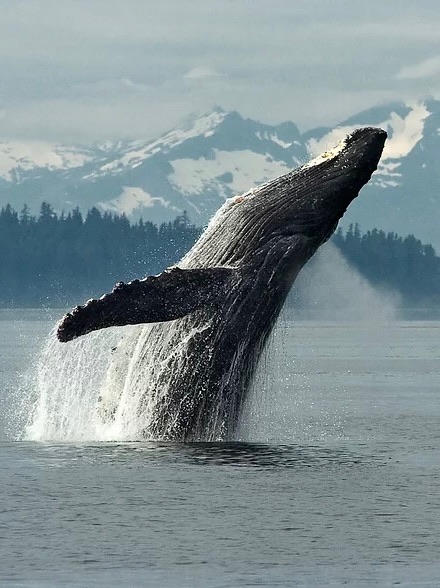
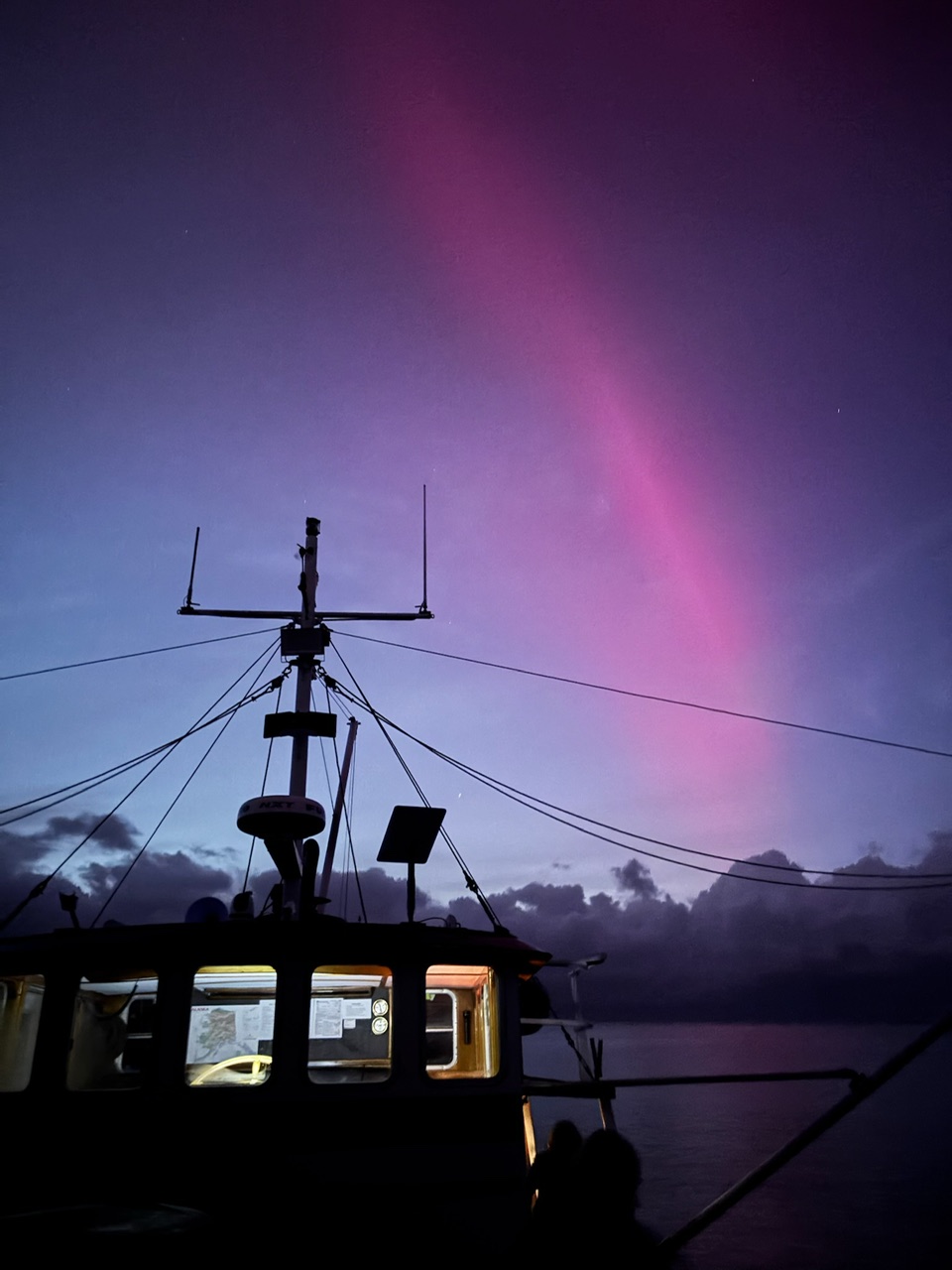
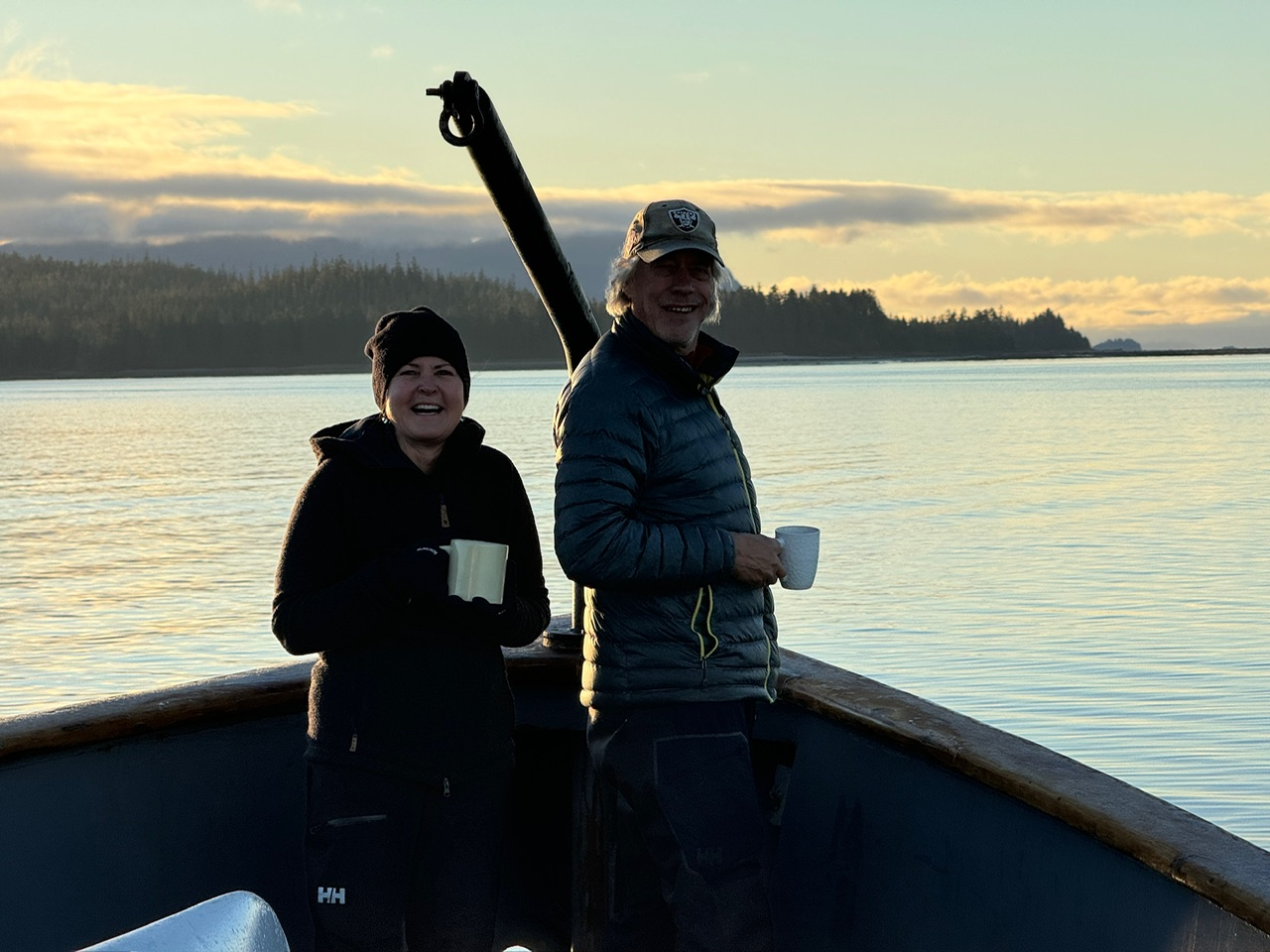
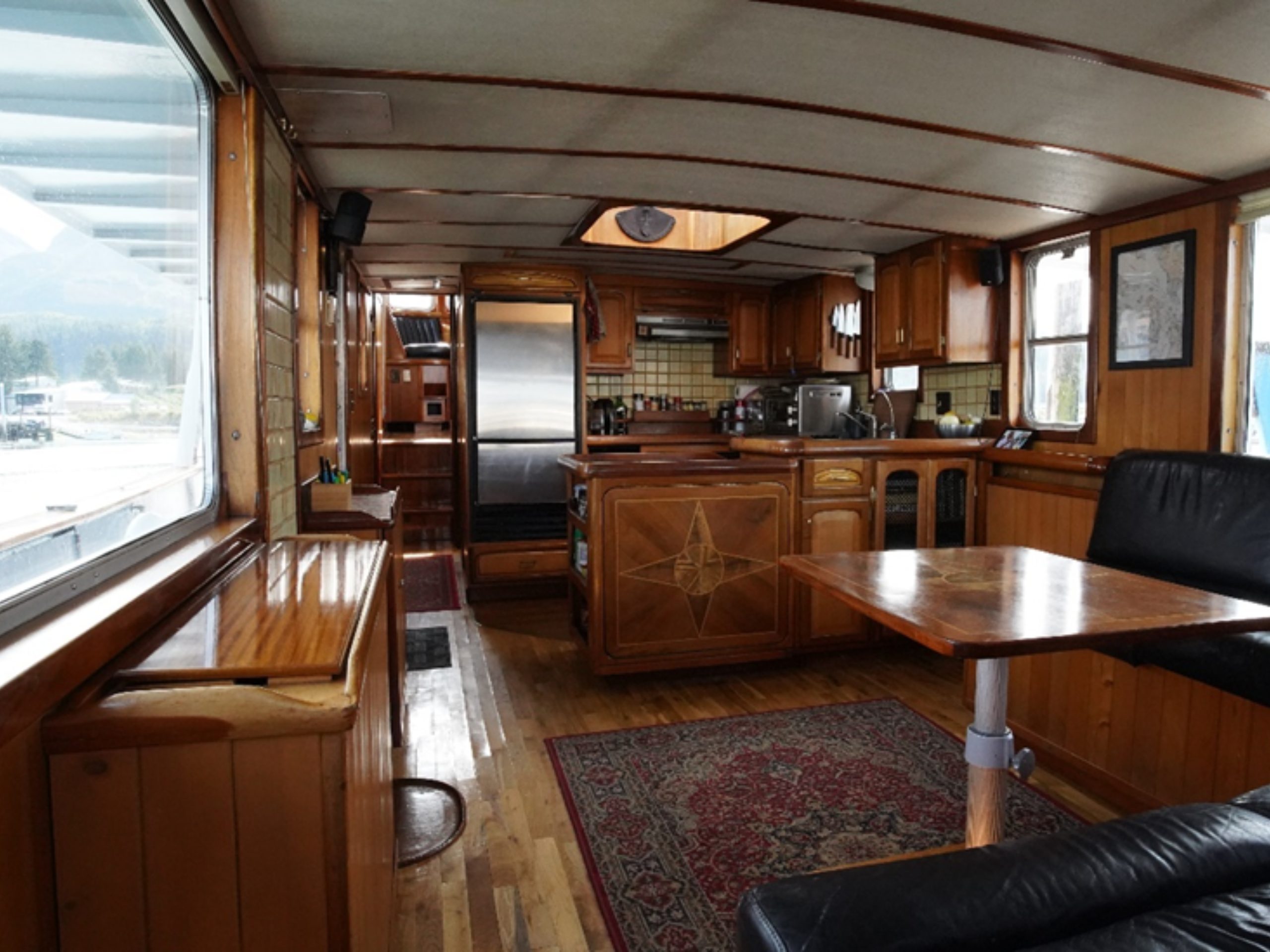
The whole expedition takes place aboard the classic 72-foot research vessel Endeavour. The vessel offers comfortable living space for both learning and personal time. Ample mid- and upper decks provide opportunities for observing Alaska’s wildlife and amazing landscapes, fishing, shrimping and crabbing. In addition to its two shore boats (inflatable rib and aluminum jet boat) Endeavour offers kayaks and canoes for personal exploration/downtime as well as a book and video library for research and enjoyment.
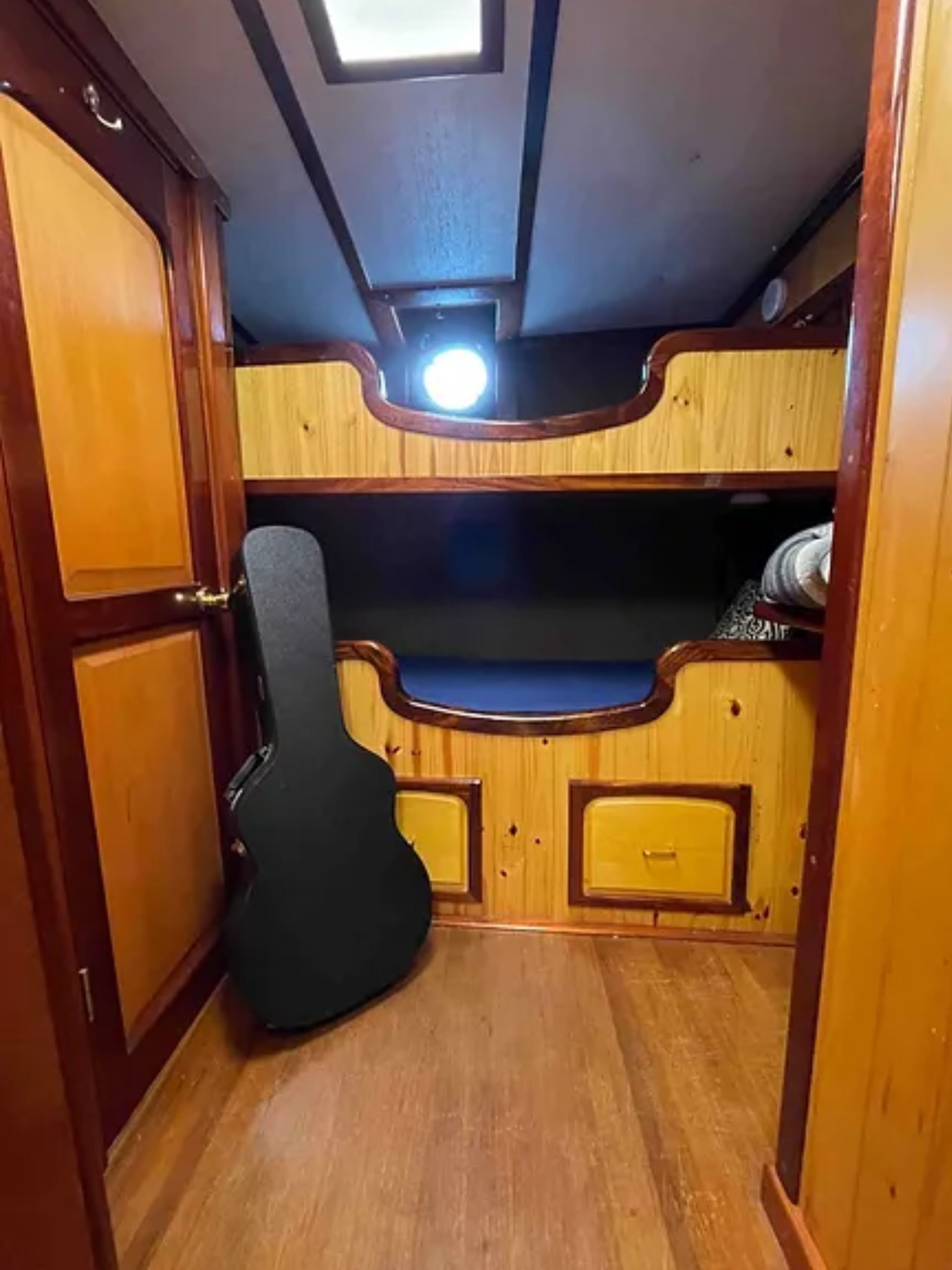
Life on any boat means teamwork. Participants share two-person cabins and rotate through crews to assist with meal prep, cleaning, watch, and deck duties. Showers are available every two to three days, laundry is done once per trip. While we do our best to accommodate dietary restrictions, with limited space and access in the Alaskan wilderness, we cannot guarantee that every need can be met, but the crew is happy to work with participants to provide reasonable alternatives, solutions. Note: Bella, the ship’s dog, is on board as well.
Travel Info
Natural disasters, political changes, weather conditions and various other factors may force the cancellation or alteration of a field school. IFR recommends students only purchase airline tickets that are fully refundable and consider travel insurance in case a program or travel plans must change for any reason.
General information for this program is below, but keep in mind we will discuss any updated travel information and regulations during the required program orientation, which could affect travel plans.
2026 Information: This program departs from Ketchikan and finishes in Juneau. You may want to purchase a roundtrip flight to/from Seattle, WA and then book additional one-way flights between Ketchikan and Juneau. However, explore what options make the most sense from your place of origin.
Arrival: You should plan to arrive in Ketchikan, AK at or before 1:00 pm on May 15.
Departure: You should plan to fly out of Juneau, Alaska, departing no earlier than mid-afternoon on May 26.
If you missed your connection or your flight is delayed, please call, text or email the field school director immediately. A local emergency mobile phone number will be provided to all enrolled students.